
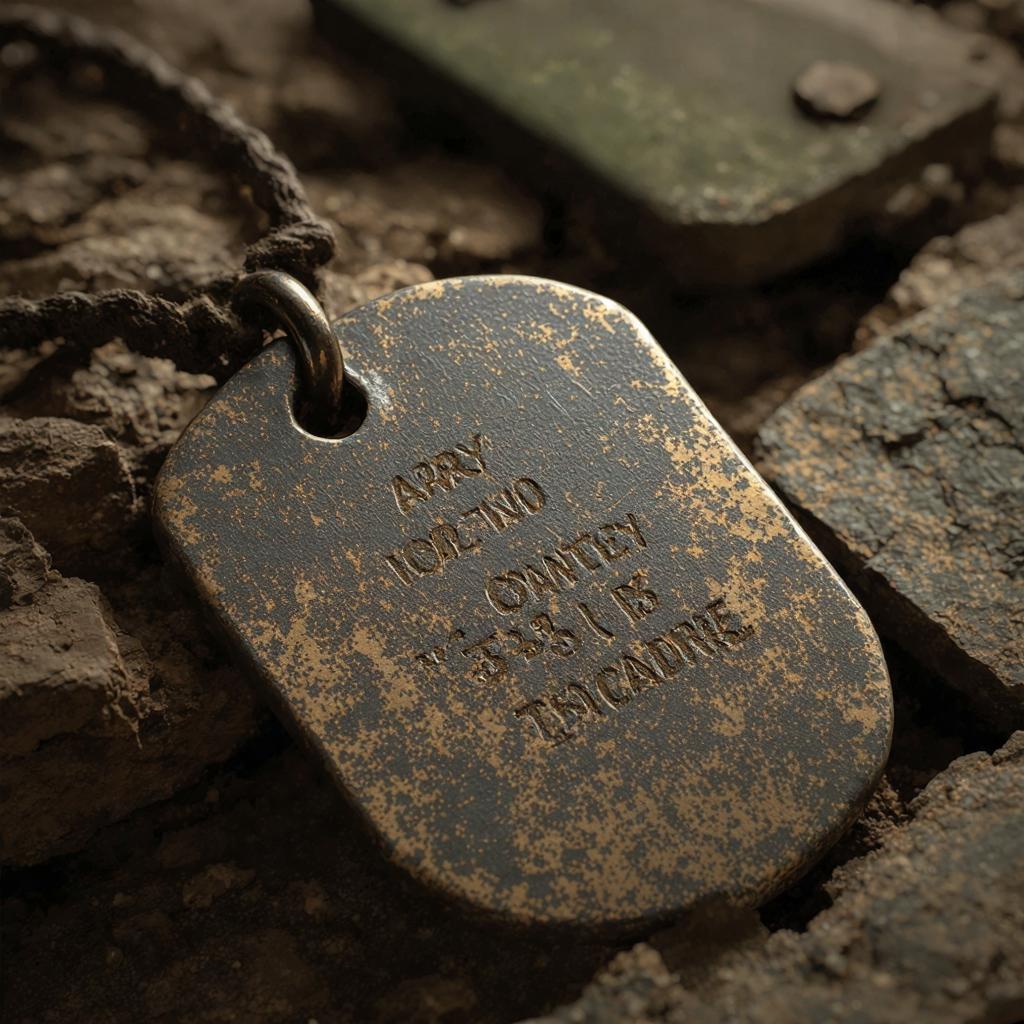
As I sat down to write this article, my eyes landed on the military dog tags hanging from a hook on my wall. These small, seemingly insignificant pieces of metal hold a world of facts about the brave men and women who wear them. Join me as we explore the captivating details that can be found on military dog tags and the vital role they play in the lives of our military personnel.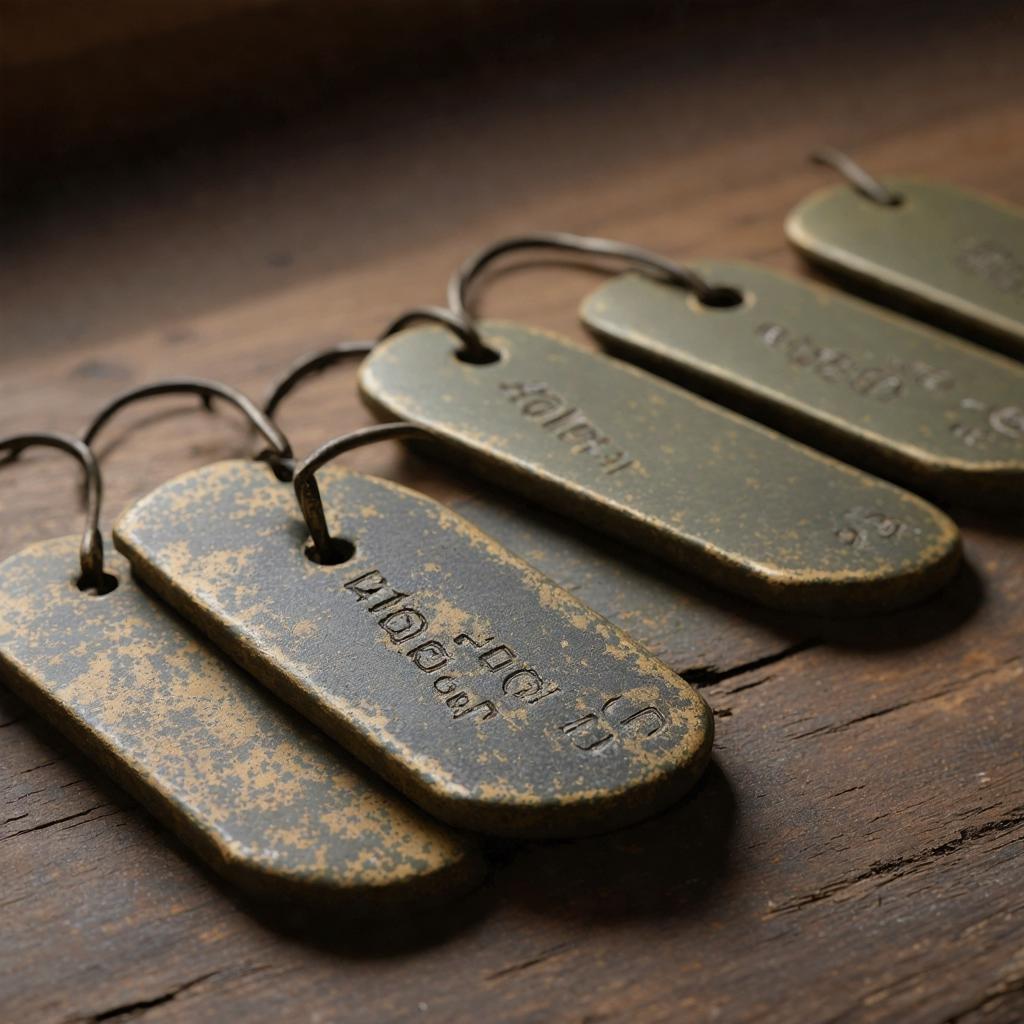
Introduction: Understanding the importance of military dog tags
Military dog tags are essential pieces of identification worn by all service members in the armed forces. These tags contain vital information that can be crucial in the event of an emergency or in a combat situation. Soldiers wear these tags around their necks at all times,ensuring that they are easily accessible and visible.The information on military dog tags typically includes the individual’s name, blood type, and religious preference. In some cases, the soldier’s social security number may also be included. These tags serve as a way to quickly identify and track soldiers in the field,providing important information to medical personnel or in cases of casualties. The significance of military dog tags cannot be understated,as they play a vital role in ensuring the safety and well-being of service members.
Information included on military dog tags
On military dog tags,you will typically find personal information about the wearer engraved in a neat and legible manner. This information serves as a means of identification in case of emergencies or unfortunate events. Some common details included on military dog tags are:
- Name
- Branch of service
- Blood type
- Social Security Number
- Religious preference
In addition to the essential personal details, military dog tags may also contain medical information that can be crucial for providing the necessary medical care to the wearer. This information is especially important in combat situations where immediate medical attention may be required. Some medical details that can be found on military dog tags include:
- Allergies
- Medical conditions
- medication requirements
- Emergency contact information
Recommendations for updating and personalizing military dog tags
Updating Military Dog Tags
Military dog tags have long been a symbol of identity and bravery for service members. When it comes to updating and personalizing these tags, there are a few key recommendations to keep in mind. One popular option is to include not only the standard information such as name, blood type, and religious preference, but also to add additional details that hold personal significance. This could include a favorite quote, a special date, or even a small symbol that represents something meaningful.Adding a Personal Touch
For those looking to truly personalize their military dog tags, there are endless creative possibilities. Consider adding a custom design or logo that speaks to your individuality. You could also include a QR code that leads to a personal message or website. Adding a unique touch to your dog tags is not only a way to make them stand out, but also a way to make them truly your own.
Ensuring accuracy and relevance of military dog tags
Military dog tags are small, metal identification tags worn by members of the armed forces around the world. these tags play a crucial role in identifying soldiers in case of injury or death. As such, it is extremely important that the information on military dog tags is accurate and up-to-date.
On a typical military dog tag, you will find the following information:
- Full name: The soldier’s first name, middle initial, and last name.
- social Security Number: A unique identifier for the soldier.
- Blood type: Vital information that could save a soldier’s life in an emergency.
- Religious preference: Important for providing appropriate ceremonial services.
- Medical conditions or allergies: Critical information for medical personnel treating the soldier.
Ensuring that this information is correct and relevant can make a significant difference in emergency situations on the battlefield. It is the responsibility of both the soldier and military personnel to regularly check and update this information to guarantee its accuracy.
Q&A
Q: what information is typically found on military dog tags?
A: Military dog tags usually contain the service member’s last name, first name, and middle initial. They also include the individual’s social security number, blood type, and religious preference.
Q: Why is it important for military personnel to wear dog tags?
A: Dog tags are crucial for identifying service members in the event of an injury, casualty, or death. They help ensure accurate identification and tracking of personnel during military operations.
Q: can service members customize their dog tags?
A: while some personalization is allowed (such as choosing to include a religious preference), military regulations dictate the specific information that must be included on dog tags. Service members cannot deviate from this standard format.
Q: How are dog tags worn by military personnel?
A: Dog tags are typically worn around the neck on a chain or cord. They are designed to be easily accessible and visible at all times, even under combat gear.
Q: are dog tags still relevant in modern warfare?
A: Despite advances in technology, dog tags remain a critical form of identification for military personnel. They provide a simple and effective method of ensuring accurate identification and tracking during military operations.
In Conclusion
As we conclude our exploration into the world of military dog tags, it becomes clear that these small pieces of metal hold immense significance for those who wear them. From basic identification information to medical records and religious preferences, these tags serve as a crucial link between the individual soldier and the military association they serve. They are a symbol of bravery, sacrifice, and unwavering dedication. So the next time you see someone proudly wearing their dog tags, remember the stories and experiences they carry with them. And always honor and respect the service and commitment of our men and women in uniform.

