
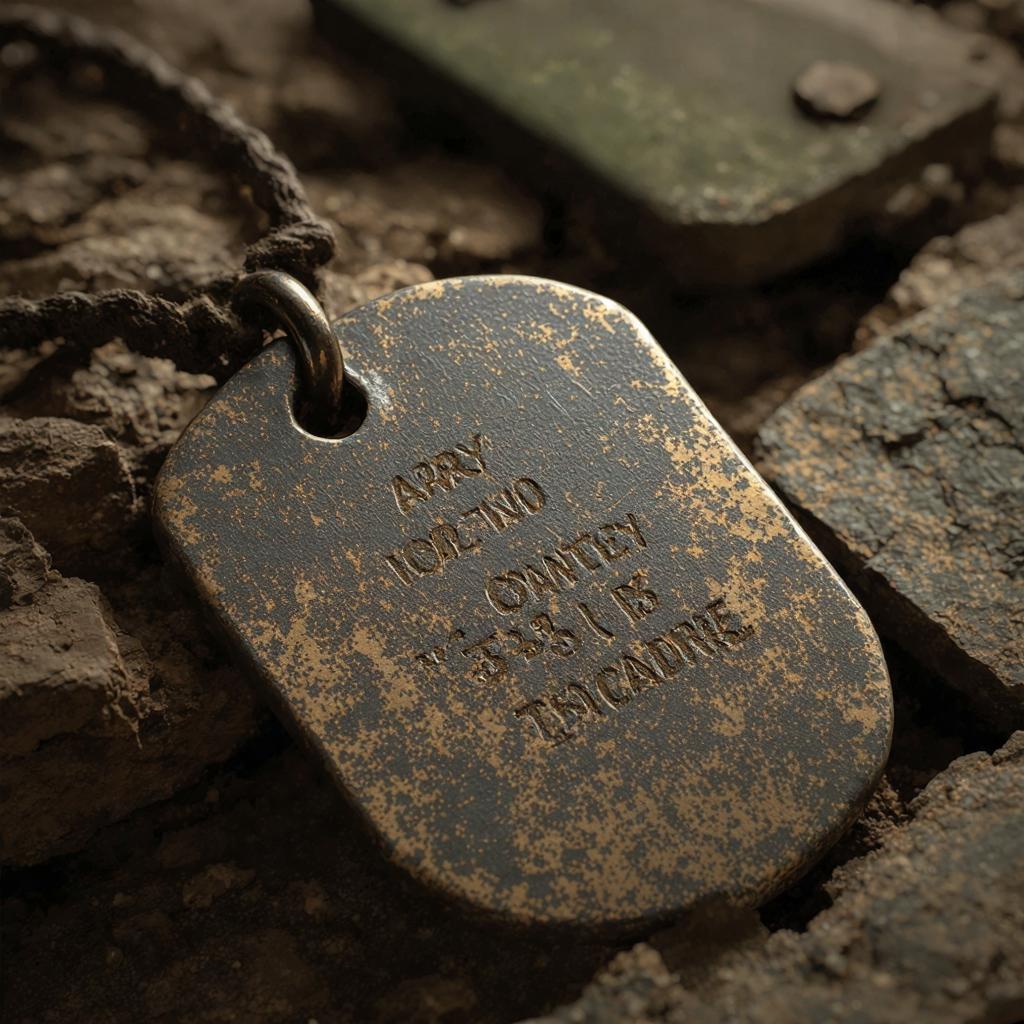
Military dog tags are among the most recognizable symbols of armed service worldwide. These small, unassuming metal discs carry vital identification information that can mean the difference between life and death on the battlefield. If you have ever wondered what are on military dog tags and why they matter so deeply to service members and their families, this guide provides a thorough exploration of their contents, history, evolution, and how modern manufacturing preserves this important tradition.
The Purpose and History of Military Dog Tags
Military identification tags trace their origins to the Civil War era, when soldiers fearful of dying unknown on the battlefield improvised ways to identify themselves. Some wrote their names on paper tucked into pockets; others scratched information onto belt buckles or pinned handwritten notes inside their uniforms. The first official issuance of metal identification tags began during the Spanish-American War in 1899, and by World War I, the U.S. Army made them standard issue.
The term “dog tag” likely emerged during World War II, possibly referencing the tags worn by military dogs or the similarity to dog license tags used by municipalities. Regardless of its etymology, the name stuck and remains in common use today across all branches of the U.S. military.
The primary purposes of military dog tags are:
- Battlefield Identification: Quickly identifying casualties and ensuring proper handling of remains.
- Medical Treatment: Providing blood type and allergy information to medics under urgent conditions.
- Administrative Tracking: Maintaining accurate personnel records during deployments and conflicts.
- Psychological Comfort: Offering service members a tangible reminder of their identity and humanity in extreme circumstances.
What Are on Military Dog Tags? Standard Information Fields
The specific information stamped or embossed on military dog tags has changed over time, but the core data fields have remained remarkably consistent. Understanding what are on military dog tags requires examining both historical and modern formats.
World War II and Korean War Era Tags
During this period, U.S. military dog tags typically included:
- Last Name, First Name, Middle Initial
- Service Number (pre-Social Security era)
- Blood Type
- Religious Preference (or “NO PREFERENCE” if applicable)
- Tetanus Vaccination Date (sometimes noted as “T”)
Vietnam War Era Tags
The Vietnam era introduced the use of Social Security numbers as service identifiers. Tags from this period generally displayed:
- Last Name, First Name, Middle Initial
- Social Security Number
- Blood Type
- Religious Preference
- Branch of Service (on some variants)
Modern U.S. Military Dog Tags
Today, the U.S. Department of Defense has transitioned away from Social Security numbers to protect personnel privacy. Modern tags contain:
- Last Name, First Name, Middle Initial
- Department of Defense Identification Number (DOD ID)
- Blood Type
- Religious Preference (or “NONE” / “NO REL PREF”)
- Gas Mask Size (on Army tags)
Some branches include additional fields or use different formatting. For example, the U.S. Navy and Marine Corps historically included the service member’s rank, while the Army omitted it.
The Two-Tag Tradition
U.S. service members are issued two identical dog tags worn on a single ball chain. This practice serves a grim but practical purpose. If a service member is killed in action, one tag remains with the body while the other is collected by field medics or graves registration personnel for administrative tracking. This dual-tag system ensures that identification follows the casualty through every stage of recovery and burial processing.
Traditionally, the tags are worn around the neck on a ball chain, with one tag on a shorter chain and the second on a longer chain. Some service members wear one tag on a wrist chain or lace it into a boot as a backup.
Materials and Manufacturing Standards
Authentic military dog tags must meet strict material and construction standards to withstand combat conditions:
- Material: austenitic stainless steel, typically Type 304, chosen for its corrosion resistance and durability.
- Dimensions: Approximately 2 inches by 1.125 inches, with a standard thickness of 0.035 inches.
- Edges: Rounded or deburred to prevent injury and reduce noise.
- Embossing: Raised characters created by mechanical stamping for legibility even when painted or coated.
- Silencers: Rubber or silicone edges that dampen the metallic clinking sound during movement.
International Variations
While this article focuses primarily on U.S. practices, military dog tags are used by armed forces worldwide with notable differences:
- Germany: Uses a single oblong tag that breaks into two pieces, serving the same function as American dual tags.
- United Kingdom: Historically issued oval aluminum discs; modern variants use stainless steel rectangles.
- Canada: Features a single tag with the service number, name, blood type, and religion.
- Russia: Uses a single metal disc or capsule containing a paper identification slip.
- Israel: Issues small cylindrical containers worn on a chain, holding paper records.
Custom Military-Style Dog Tags from Metal Crafts Pro
The significance of military dog tags extends far beyond active-duty personnel. Veterans, collectors, reenactors, filmmakers, and promotional marketers all seek high-quality tags that honor the authentic tradition. Metal Crafts Pro manufactures custom military-style dog tags to the same rigorous standards used by armed forces suppliers, with the flexibility to accommodate personalized designs.
Our production capabilities include:
- Military-Grade Stainless Steel: Authentic Type 304 or 316L stainless steel with superior corrosion resistance.
- Precision Embossing: Deep, raised characters that meet or exceed military legibility requirements.
- Regulation Dimensions: Standard 2×1.125 inch tags or fully custom sizes upon request.
- Finishing Options: Matte, polished, brushed, or antique finishes.
- Color Filling: Optional enamel or paint filling for enhanced contrast and readability.
- Silencers and Chains: Black, green, or custom-colored silencers paired with stainless steel ball chains.
- Bulk and Small-Batch Production: Whether you need 50 tags for a veteran reunion or 10,000 for a military-themed marketing campaign.
We understand that military dog tags carry emotional and symbolic weight. That is why every tag we produce is treated with the respect and precision this tradition demands.
Request Your Custom Military Dog Tag Quote
Modern Uses Beyond the Military
While originally designed for battlefield identification, dog tags have found new life in civilian applications:
- Veteran Commemorations: Reunion events, memorial services, and military anniversaries.
- Fashion Accessories: Dog tag necklaces and bracelets remain popular in streetwear and jewelry.
- Medical Alerts: Engraved with conditions, medications, and emergency contacts.
- Promotional Products: Companies emboss logos and slogans on tag-shaped giveaways.
- Pet Identification: Military-style tags add a rugged aesthetic to pet collars.
- Film and Theater Props: Authentic-looking tags enhance period accuracy in productions.
How to Order Authentic-Style Military Dog Tags
If you are ordering custom military-style tags, provide the following details to your manufacturer:
- Name format (Last, First, Middle Initial)
- Identification number (DOD ID, service number, or custom number)
- Blood type
- Religious preference or “NO PREFERENCE”
- Any additional fields such as gas mask size or branch designation
- Finish preference (matte, polished, etc.)
- Silencer color
- Chain length and style
Frequently Asked Questions
What are on military dog tags today?
Modern U.S. military dog tags display the service member’s last name, first name, middle initial, Department of Defense Identification Number (DOD ID), blood type, and religious preference. Some branches include additional information such as gas mask size.
Why are there two military dog tags?
The two-tag system ensures that if a service member dies in action, one tag can remain with the body for identification during recovery, while the second tag is collected for administrative and notification purposes.
What material are real military dog tags made from?
Authentic military dog tags are manufactured from austenitic stainless steel, typically Type 304, chosen for its strength, corrosion resistance, and ability to withstand harsh environments.
Can civilians buy military dog tags?
Yes. Civilians can purchase military-style dog tags for fashion, medical alerts, pet IDs, promotional purposes, and historical reenactments. However, it is illegal to impersonate active-duty personnel or claim false military affiliation.
How deep should engraving be on quality dog tags?
Professional-grade dog tags feature deep mechanical embossing or laser engraving that penetrates well below the surface. This ensures the information remains readable even after years of wear, corrosion, or paint application.
Conclusion
Understanding what are on military dog tags reveals far more than a list of names and numbers. It opens a window into military tradition, battlefield medicine, and the enduring human need to be identified and remembered. From the Civil War battlefields to modern combat zones, these small metal discs have served as silent guardians of identity. Today, their legacy continues in both military service and civilian life, whether worn by a veteran honoring fallen comrades or a brand seeking a rugged promotional item. Metal Crafts Pro is proud to continue this tradition through precision manufacturing that respects the history and significance of every tag we produce. Contact us today to discuss your custom military dog tag project and receive a detailed quote.

