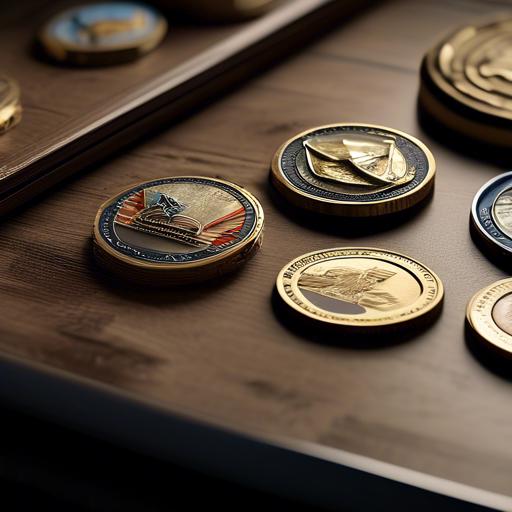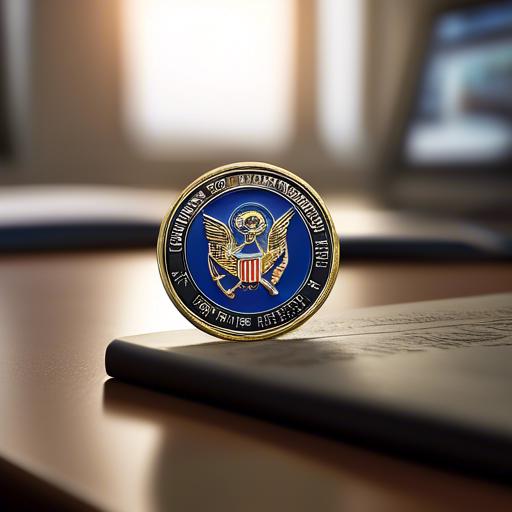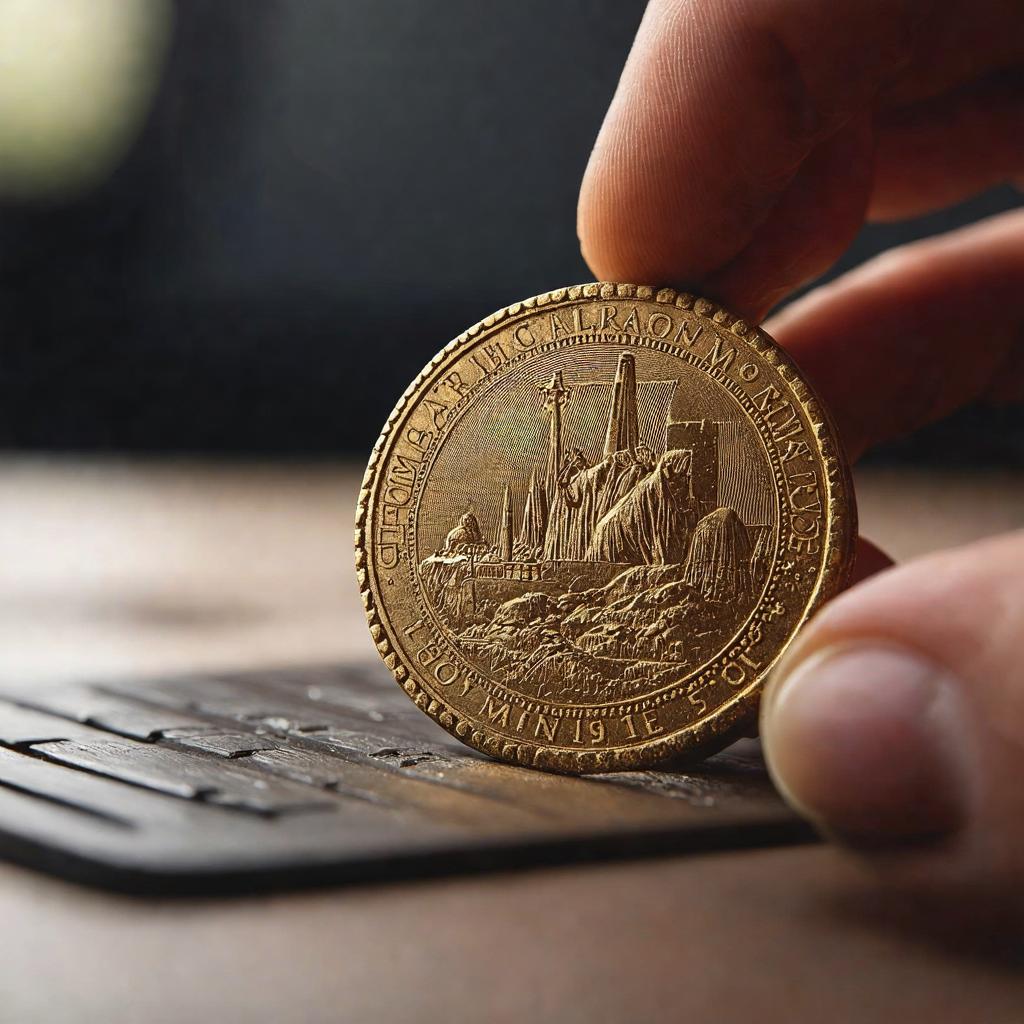
Challenge coins are far more than decorative metal discs. They are powerful symbols of identity, loyalty, and belonging that operate within a framework of time-honored traditions and specific rules. Whether you have recently received your first coin or are considering creating a custom set for your organization, understanding exactly how challenge coins work will deepen your appreciation for this remarkable custom. Metal Crafts Pro, a leading manufacturer of custom challenge coins, has spent years studying and preserving these traditions while producing coins for military units, first responders, and corporate teams worldwide.
The Origins of the Challenge Coin Tradition
The challenge coin tradition, as it is commonly understood today, emerged from military culture and has spread to virtually every organization that values camaraderie and recognition. The most widely circulated origin story dates to World War I, when a wealthy American lieutenant had bronze medallions struck for the pilots in his squadron. One young pilot wore his coin in a leather pouch around his neck. After being forced down behind enemy lines and captured by German forces, he escaped to French territory. The French, suspecting him of being a German spy, were ready to execute him until he produced his squadron coin. The medallion saved his life, and the tradition of carrying unit coins was born.
While historians debate the precise accuracy of this tale, there is no doubt that by the Vietnam War era, challenge coins had become firmly established in military culture. Special Forces units, in particular, embraced the tradition, and it spread rapidly through the Army, Navy, Air Force, Marine Corps, and Coast Guard. Today, even the President of the United States carries challenge coins to present to service members and distinguished guests.
The tradition has expanded far beyond the armed forces. Police departments present challenge coins to officers for acts of bravery. Fire departments commemorate major incidents with custom coins. Corporate teams use coins to mark project completions and sales milestones. The fundamental principle remains the same: a challenge coin is a tangible representation of belonging to an exclusive group.
The Rules of the Challenge
At the heart of challenge coin culture lies the “challenge” itself. This is where challenge coin rules become critically important. The challenge is essentially a game with real consequences, designed to ensure that members of an organization carry their coins at all times.
Initiating a Coin Check
A coin check, or challenge, is initiated when a member of the group slams their challenge coin on a hard surface, typically a bar or table. The distinctive ringing sound of metal striking wood or stone is the universal signal that a challenge has been called. Once initiated, all other members present must immediately produce their own challenge coins.
The rules of engagement are strict. You have a limited time to produce your coin, typically understood to be four steps or the count of four. If you are unable to produce your coin, you have lost the challenge and must buy the challenger a drink. If every person challenged successfully produces their coin, the challenger loses and must buy drinks for everyone who responded.
Coin checks can happen anywhere, at any time. They are common in military bars and social clubs but can also occur at formal dinners, during travel, or even in combat zones. The unpredictable nature of the challenge is precisely what makes it effective. You truly never know when your loyalty and preparedness will be tested.
Penalties for Losing a Challenge
The traditional penalty for failing a coin check is buying the challenger a drink. In military settings, this usually means a round of beer or the challenger’s beverage of choice. However, organizations often establish their own penalties, which can range from push-ups to cleaning duties to monetary fines donated to charity.
Some units have elaborate penalty systems. For example, failing a challenge might require the loser to sing a unit song, recite a history lesson, or perform a humorous task in front of the group. The key is that the penalty should be good-natured and bonding rather than genuinely punitive. The challenge exists to build camaraderie, not to humiliate.
Presenting Challenge Coins
While the challenge aspect of challenge coins receives the most attention, the presentation of coins is equally significant. Understanding how coins are presented helps recipients appreciate the weight of the honor.
Challenge coins are typically presented in one of several ways:
- The handshake transfer: The presenter conceals the coin in their palm and passes it during a handshake. This method is intimate and private, signifying a personal bond between giver and receiver.
- Formal ceremony: High-ranking officials often present coins during award ceremonies, promotions, or retirement events. These presentations are public and ceremonial.
- Direct handoff: In casual settings, a presenter might simply hand a coin to someone while explaining its significance. This is common in corporate environments.
- Placement in a display case: For especially significant coins, the presentation might include a custom box or case that enhances the gifting experience.
When you present a challenge coin, you are making a statement about the recipient’s character, dedication, and value to the organization. Choose your moments carefully and present coins with the gravity they deserve.
Modern Uses Beyond the Military
Challenge coins have transcended their military origins to become powerful tools in civilian contexts. Understanding these modern applications helps explain why demand for custom challenge coins continues to grow year after year.
In the corporate world, challenge coins serve as unique alternatives to certificates and plaques. A sales team might receive coins for exceeding quarterly targets. An engineering team might be awarded coins for completing a major product launch. Unlike paper awards that end up in filing cabinets, challenge coins are displayed on desks and shelves, providing constant visual reminders of achievement.
First responder communities have fully embraced the tradition. Police departments design coins for each precinct, specialized unit, and major operation. Fire departments create coins for individual stations and to commemorate specific incidents. These coins build morale and create connections between departments that might otherwise have limited interaction.
Nonprofit organizations and schools have also discovered the power of challenge coins. Alumni associations create commemorative coins for graduating classes. Fundraising campaigns use limited-edition coins as donor incentives. The versatility of challenge coins makes them applicable to virtually any group that wants to foster identity and pride.
Manufacturing Custom Challenge Coins
If your organization wants to establish or expand its challenge coin tradition, working with an experienced manufacturer is essential. The quality of your coins directly impacts how proudly recipients will carry and display them.
The manufacturing process typically involves several stages:
- Design consultation: Professional designers help translate your ideas, logos, and emblems into coin-ready artwork.
- Die creation: Steel dies are engraved with your design for stamping or casting.
- Metal selection: Brass, zinc alloy, copper, and other base metals are chosen based on budget and desired weight.
- Striking or casting: The metal is stamped under extreme pressure or cast in molds to form the coin shape.
- Plating and finishing: Coins receive their surface treatment, whether polished gold, antique silver, black nickel, or other specialty finishes.
- Enamel application: Color is added using soft enamel, hard enamel, or offset printing depending on the design complexity.
- Quality inspection: Each coin is examined for defects before packaging and shipping.
Metal Crafts Pro specializes in every stage of this process. Our factory uses advanced die-casting and stamping equipment to produce coins with exceptional detail and durability. We offer free design services, low minimum order quantities, and competitive pricing that makes premium challenge coins accessible to organizations of all sizes.
FAQ About How Challenge Coins Work
Can anyone call a coin check?
Traditionally, anyone who legitimately possesses a unit or organization coin can initiate a challenge. However, some groups restrict this right to senior members or specific ranks.
What happens if I accidentally leave my coin at home?
If you cannot produce your coin during a challenge, you lose. There are no excuses in challenge coin culture. This rule exists specifically to ensure coins are carried at all times.
Are challenge coins legal tender?
No, challenge coins have no monetary value outside their symbolic meaning. They cannot be used as currency.
How do I start a challenge coin tradition in my organization?
Begin by designing a coin that represents your organization’s values and identity. Establish clear rules for presentation and challenges. Then distribute coins to founding members and let the tradition grow organically.
Conclusion
Challenge coins work because they tap into fundamental human needs for belonging, recognition, and shared identity. The rules that govern their use, from the handshake presentation to the dramatic coin check, create rituals that bind groups together. Whether you are a military veteran with decades of service or a corporate leader building team culture, challenge coins offer a timeless way to honor commitment and foster camaraderie.
Ready to start your own challenge coin tradition? Metal Crafts Pro is your partner for premium custom challenge coins designed and manufactured to the highest standards. From initial concept to final delivery, we handle every detail with precision and care. Reach out now to Get a Free Quote and discover how affordable professional-quality challenge coins can be.
Building a Challenge Coin Collection
Many challenge coin recipients eventually become collectors, seeking coins from different units, campaigns, and historical periods. Building a meaningful collection requires understanding provenance, condition grading, and market dynamics. Coins from decommissioned military units, historic deployments, and legendary commanders carry premiums among serious collectors.
Authentication is critical in the collector market. Reputable dealers provide documentation and provenance for significant pieces. Online marketplaces offer vast selections but require careful scrutiny to avoid counterfeits. Joining collector organizations and attending military memorabilia shows provides education, networking, and access to rare pieces. Starting with coins from your own service or organization creates a foundation before branching into broader acquisitions.
The Future of Challenge Coins
Challenge coin design continues to evolve with technology. Laser engraving allows personalization at unprecedented precision. Glow-in-the-dark enamel creates striking effects for units that operate at night. Spinning centers, bottle opener edges, and cutout designs push creative boundaries. Digital integration through QR codes and NFC chips embedded in coins connects physical tokens to online content, video messages, and digital archives.
Despite technological advances, the core purpose of challenge coins remains unchanged. They symbolize belonging, honor service, and create bonds between people who share common experiences. Whatever form they take, challenge coins will endure as one of humanity’s most meaningful traditions. Manufacturers like Metal Crafts Pro continue to innovate while respecting the heritage that makes these tokens special.
Challenge Coins in International Context
While challenge coins are most closely associated with American military culture, similar traditions exist worldwide. The British Armed Forces have long used presentation coins and medallions to recognize service. Canadian military units issue challenge coins that reflect their distinct national identity while honoring shared NATO traditions. Australian and New Zealand defense forces have embraced the custom, particularly among units that have served alongside American forces in coalition operations.
International law enforcement and intelligence agencies have also adopted challenge coin traditions. Interpol, various national police forces, and even private security contractors now use custom coins to build morale and mark operational milestones. This global expansion demonstrates the universal appeal of tangible recognition and the human desire for symbols of belonging. As international cooperation increases, challenge coins serve as physical reminders of partnerships forged in difficult circumstances.
Challenge Coins as Diplomatic Tools
Beyond military and organizational use, challenge coins have found a surprising role in international diplomacy. Heads of state, defense ministers, and military commanders exchange challenge coins during official visits as tokens of goodwill and symbols of alliance. These diplomatic coins typically feature national emblems, dates of significant meetings, and mottos in multiple languages.
The exchange of challenge coins between international leaders carries none of the formality of state gifts but conveys genuine respect and personal connection. Military officers who have served in coalition forces often maintain collections of coins from allied nations, each representing a partnership forged under demanding circumstances. This diplomatic dimension illustrates how a simple metal disc can bridge cultures and strengthen international relationships.
Commemorative Coins for Historical Events
Challenge coins are increasingly used to commemorate historical events and anniversaries. Organizations create coins marking decades of service, memorializing fallen members, or celebrating major milestones. These commemorative pieces become historical artifacts themselves, preserving organizational memory in tangible form for future generations.
Historical commemorative coins often feature dates, locations, and imagery specific to the event being remembered. Limited production runs ensure scarcity and collectibility. Recipients treasure these coins not only for their personal significance but for their role in preserving history. Manufacturers who produce commemorative coins must balance creative design with historical accuracy and respectful treatment of sensitive subjects.