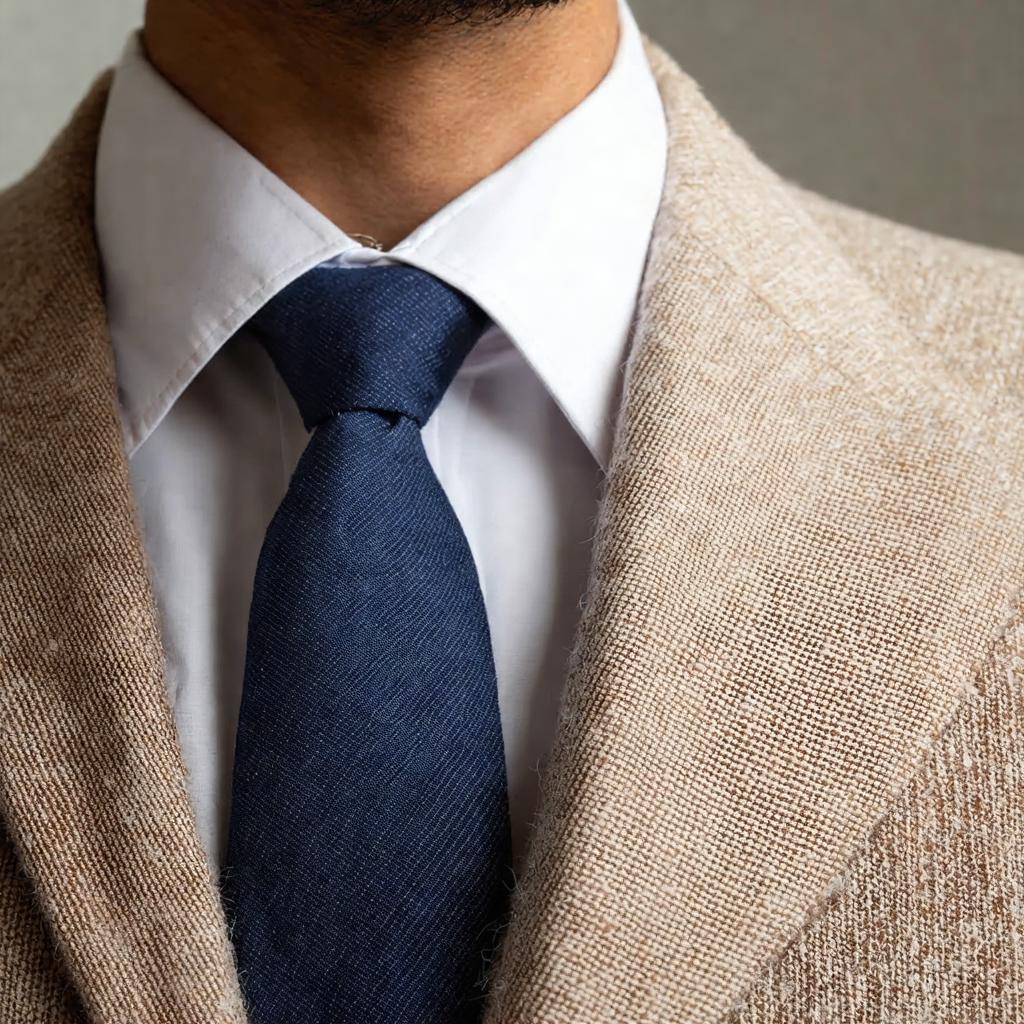
The seemingly simple question of whether lapel pins belong on the left or right side has sparked debates in tailoring shops, boardrooms, and fashion forums for generations. While the majority of style authorities advocate for left-side placement, nuanced exceptions and evolving trends have complicated what once appeared to be a straightforward rule. As a premier B2B manufacturer of custom lapel pins and metal crafts, Metal Crafts Pro works with organizations worldwide that rely on consistent, polished presentation. Understanding the history, logic, and modern interpretations of lapel pin placement empowers you and your team to wear pins with authority and sophistication.
The Left Lapel Tradition and Its Military Origins
The custom of wearing insignia on the left side of the body originates from military tradition and has profoundly influenced civilian fashion etiquette. In armed forces across numerous nations, medals, ribbons, and rank insignia have historically been worn over the left breast, positioned above the heart. This placement carried symbolic weight, representing courage, sacrifice, and loyalty. When veterans returned to civilian life and continued wearing pins, medals, and membership badges, they naturally defaulted to the left-side position they had worn in service.
Beyond symbolism, practical considerations reinforced the left-side standard. Most people are right-handed, and wearing a pin on the left lapel allows the dominant hand to easily adjust, remove, or fasten the accessory without awkward reaching across the chest. In an era when gentlemen regularly adjusted their cravats, pocket squares, and pins throughout the day, this ergonomic factor was far from trivial. The left-side placement also balanced aesthetically with pocket squares and breast pockets, which are traditionally located on the left side of men’s jackets.
By the early twentieth century, the left-lapel rule had become firmly entrenched in Western menswear. Etiquette manuals, tailoring guides, and fashion columns universally prescribed left-side placement for boutonnieres, stickpins, and decorative lapel pins. Deviating from this norm was seen not merely as unconventional but as ignorant of fundamental dress codes. For conservative professions and formal occasions, this historical precedent still carries significant weight today.
When the Right Lapel Is Appropriate
Despite the dominance of left-lapel tradition, circumstances exist where right-side placement is not only acceptable but preferable. Understanding these exceptions allows sophisticated dressers to make informed choices rather than rigidly adhering to outdated dogma.
Some contemporary style authorities argue that right-lapel placement creates superior visual balance, particularly on garments with asymmetrical features. If a jacket has a prominent pocket on the left side, an additional visual element on the same side can create crowding. Moving the pin to the right lapel distributes visual weight more evenly across the chest. This argument gains strength when considering lapel pins worn alongside large pocket squares, heavy watches on the left wrist, or breast pocket wallets that already draw attention to the left side.
Cultural and organizational conventions also influence side selection. In certain European traditions, married men wear floral boutonnieres on the left while single men wear them on the right. Some clubs, societies, and fraternal organizations specify right-side placement for specific ranks or offices to distinguish members from the general public. When representing such organizations, always follow their prescribed guidelines regardless of general fashion rules.
Fashion photography and runway styling frequently employ right-lapel pins to create deliberate asymmetry and editorial interest. These stylized contexts are not bound by workplace etiquette and serve as laboratories for evolving aesthetic norms. What appears on runways today often filters into mainstream fashion within a few seasons. The growing acceptance of right-side placement in creative industries suggests that the rigid left-lapel rule may continue to soften over time.
Modern Trends and Gender-Inclusive Styling
The twenty-first century has witnessed a remarkable democratization of fashion rules. Gender-neutral tailoring, unisex collections, and inclusive workplace dress codes have challenged many assumptions about who can wear what and how. Lapel pin placement has not escaped this evolution. Increasingly, individuals are choosing pin placement based on personal comfort, garment design, and stylistic intent rather than adherence to traditional menswear dictates.
Women’s suiting and blazers, which have become wardrobe staples across professional environments, do not always conform to the structural conventions of traditional men’s tailoring. Lapels may be narrower, positioned differently, or absent altogether in favor of collarless or mandarin-collar designs. In these cases, the left-right dichotomy becomes less relevant, and wearers place pins where they achieve the best visual effect. A small enamel pin on the right collar point of a women’s tuxedo jacket can look every bit as elegant as a left-lapel pin on a classic men’s suit.
Layering culture has also impacted placement norms. Streetwear enthusiasts, cosplayers, and fan communities often wear multiple pins across both lapels, collars, and even sleeves. In these contexts, the question is no longer left or right but rather how to curate a cohesive collection. Businesses targeting younger demographics or creative industries should recognize that their custom pins may be worn in ways that defy traditional placement. Metal Crafts Pro manufactures pins durable enough to withstand unconventional placement while maintaining their finish and structural integrity.
Placement Guidelines by Context
Navigating Organizational Dress Codes
Before selecting left or right placement, research whether your organization, industry, or event maintains specific regulations. Military and government agencies typically enforce strict left-breast placement for all insignia. Corporate environments may issue written guidelines during onboarding. Social clubs and fraternal organizations often preserve historical placement customs that members are expected to observe. When in doubt, consult your employee handbook or ask a senior colleague.
Building Brand Consistency
For corporate and organizational clients, establishing clear placement guidelines ensures consistent brand representation. When fifty employees attend a trade show wearing the same company pin in slightly different positions, the collective impression shifts from polished professionalism to disorganized amateurism. Establish clear written guidelines that specify left-lapel placement, vertical positioning relative to the notch or buttonhole, and acceptable backing types.
Photograph reference examples showing correct placement on various jacket styles including notch lapel, peak lapel, and shawl collar. Distribute these guides during uniform training or onboarding sessions. For organizations with diverse dress codes, create tiered guidelines: formal placement for client-facing roles and flexible placement for internal or creative positions. Metal Crafts Pro assists corporate clients by providing placement reference cards with bulk orders, ensuring every recipient understands how to wear their pin correctly from day one.
Placement Recommendations by Occasion
- Black-tie galas: left lapel only, positioned below the notch or buttonhole.
- Business conferences: left lapel at heart level for visibility during handshakes.
- Creative industry mixers: left preferred, right acceptable for asymmetrical styling.
- Weddings: left lapel for guests, follow couple’s preference for wedding party.
- Political events: left lapel for campaign pins and flag pins.
- Runway and editorial: either side depending on designer vision.
- Casual social gatherings: placement is discretionary and personally expressive.
Choosing Placement for Corporate Identity Programs
Organizations implementing lapel pin programs for employees, volunteers, or members must consider placement consistency as part of their brand standards. When fifty employees attend a trade show wearing the same company pin in slightly different positions, the collective impression shifts from polished professionalism to disorganized amateurism. Establish clear written guidelines that specify left-lapel placement, vertical positioning relative to the notch or buttonhole, and acceptable backing types.
Photograph reference examples showing correct placement on various jacket styles including notch lapel, peak lapel, and shawl collar. Distribute these guides during uniform training or onboarding sessions. For organizations with diverse dress codes, create tiered guidelines: formal placement for client-facing roles and flexible placement for internal or creative positions. Metal Crafts Pro assists corporate clients by providing placement reference cards with bulk orders, ensuring every recipient understands how to wear their pin correctly from day one. This small investment in guidance pays dividends in brand consistency and professional appearance.
Practical Considerations for Pin Manufacturers
From a manufacturing perspective, pin design should account for placement variables. Pins intended primarily for left-lapel wear often feature directional designs, such as flags, text, or figures, that assume a specific orientation. If your design includes readable text or an asymmetric motif, confirm that it reads correctly from the viewer’s perspective when worn on the intended side. A pin designed for left-lapel wear may appear upside down or backward if placed on the right lapel.
Weight distribution also matters. Heavier pins place more strain on fabric, and the drape of a jacket differs slightly between the left and right sides due to button placement and construction. Metal Crafts Pro engineers pins with optimized center-of-gravity balance to ensure they hang correctly regardless of placement side. For clients ordering large quantities, we offer prototype sampling so you can evaluate how your design performs on actual garments before committing to full production.
Backing selection should align with placement intent. Magnetic backings, ideal for delicate fabrics, work equally well on either lapel. However, the thickness and structure of the left and right lapels may differ in some garments, particularly single-breasted suits where the left lapel folds over the right. Test magnetic hold on both sides to confirm adequate retention.
Conclusion
Do pins go on the left or right lapel? The traditional answer is the left, rooted in military heritage, ergonomic practicality, and a century of formal etiquette. The modern answer is more nuanced. While left-side placement remains the safest and most widely accepted choice, right-lapel placement has gained legitimacy in creative fields, fashion editorial, and specific cultural contexts. The key is intentionality. A pin placed on the right lapel with confidence and understanding reads as a style choice. A pin placed haphazardly reads as a mistake.
Metal Crafts Pro partners with businesses, institutions, and brands to manufacture custom lapel pins that command attention and respect in any placement. Our expertise spans die-casting, stamping, enamel filling, plating, and finishing, allowing us to realize virtually any design concept with museum-quality precision. Whether your organization requires traditional left-lapel pins for formal occasions or versatile designs for creative expression, we deliver products worthy of your brand.
Contact Metal Crafts Pro today to discuss your custom lapel pin project. Our team of design specialists and metalworking craftsmen is ready to transform your vision into beautifully finished pins that your team will wear with pride. Get a Free Quote