Lapel pins are timeless accessories that communicate sophistication, allegiance, and attention to detail. Yet one question consistently arises among both newcomers and seasoned wearers: where exactly should a lapel pin be worn? While tradition provides clear guidance, modern fashion has expanded the possibilities. This in-depth guide from Metal Crafts Pro explores the classic left-lapel rule, contemporary alternatives, and expert tips for positioning your pin with confidence in any setting. As a leading B2B manufacturer of custom metal crafts, we understand the nuances of pin design and how placement affects both aesthetics and functionality.
The Traditional Left Lapel Rule
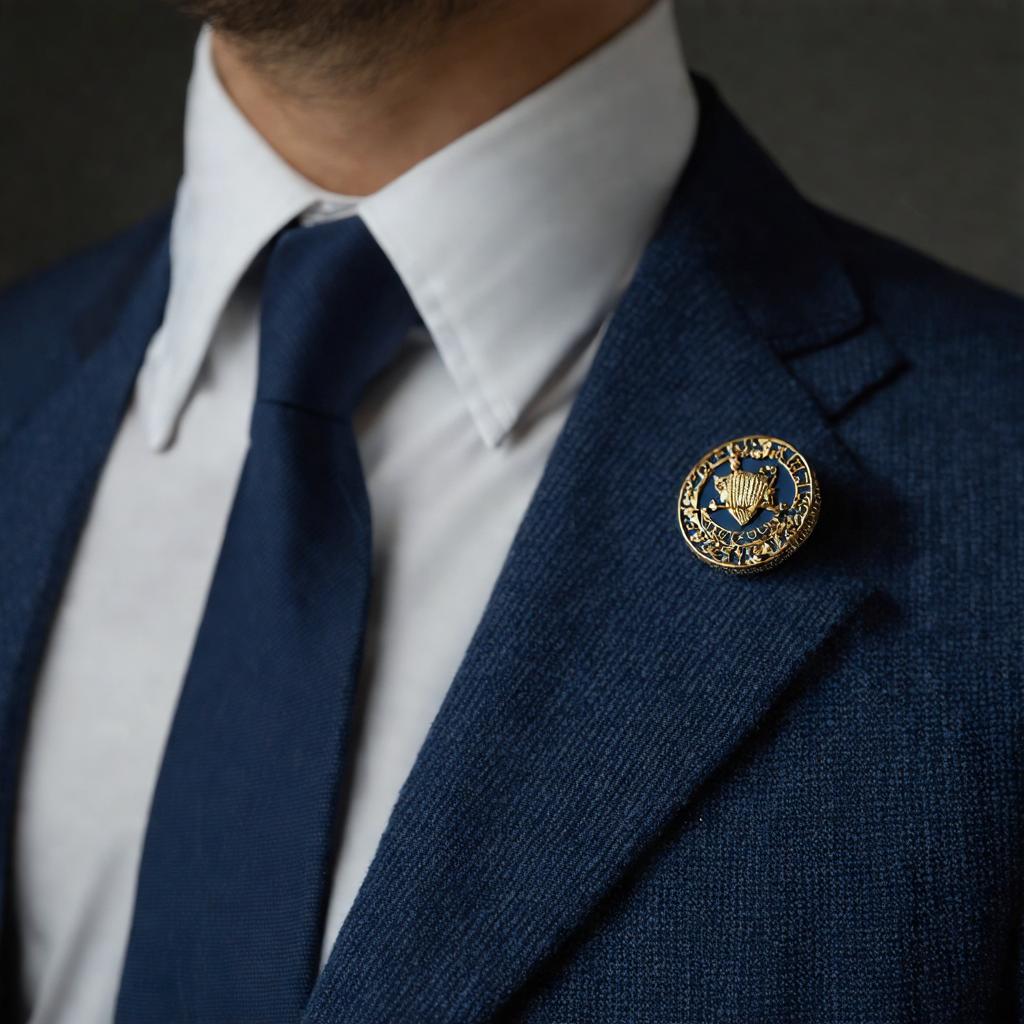
For well over a century, the established convention has dictated that lapel pins belong on the left side of the chest, specifically on the left lapel of a jacket or blazer. This custom traces its origins to military traditions where medals, ribbons, and insignia were worn above the heart to symbolize honor and valor. Over time, civilian fashion adopted this practice, and it remains the dominant standard across business, political, and social contexts worldwide.
The ideal placement on the left lapel is roughly aligned with the center of the lapel width and positioned between the top button and the chest pocket. If your jacket features a working buttonhole, often called a boutonniere hole, the pin should sit just below it. This positioning creates visual balance with the pocket square on the left side and avoids interfering with the tie knot or shirt collar. For notch lapels, place the pin parallel to the slope of the notch. For peak lapels, position it slightly lower to follow the upward angle of the lapel edge.
Adhering to the left-lapel tradition signals respect for sartorial customs and ensures your pin will be interpreted correctly by observers. In conservative industries such as law, finance, and diplomacy, deviating from this standard may be viewed as a fashion faux pas. When in doubt, default to the left lapel. It is universally understood, photographically balanced, and functionally practical since most people are right-handed and can easily adjust a left-sided pin with their dominant hand.
Alternative Placement Options
While the left lapel reigns supreme in formal contexts, modern style enthusiasts and creative professionals have embraced alternative placements that offer fresh perspectives on this classic accessory. These alternatives do not replace tradition but rather expand the vocabulary of personal expression.
The Right Lapel
Wearing a lapel pin on the right side has gained traction in contemporary menswear, particularly among fashion-forward individuals and those in creative industries. Some style authorities argue that right-side placement creates asymmetrical interest and draws the eye across the chest in unexpected ways. However, this choice remains controversial in conservative settings. If you choose to wear a pin on the right lapel, ensure the rest of your outfit is impeccably tailored so the unconventional placement reads as intentional rather than ignorant. For organizations distributing custom pins, Metal Crafts Pro recommends including placement guidelines with your pins to maintain brand consistency across your team.
The Collar
Attaching a small pin to the collar of a dress shirt or blouse offers a subtle, refined alternative to lapel placement. This works particularly well with mandarin collars, spread collars, or when wearing a jacket without lapels such as a bomber or chore coat. Collar placement keeps the pin close to the face, making it highly visible during conversation. Choose lightweight pins for collar placement, as heavy designs can pull the collar fabric out of shape. Magnetic backings are especially useful here, as they avoid piercing delicate shirt materials.
The Pocket or Pocket Square
Some adventurous dressers attach pins directly to the pocket itself or pin them through a folded pocket square. This technique integrates the pin into the pocket square design, creating a unified accent. For example, a navy enamel pin pinned through a burgundy silk square creates a sophisticated color block effect. Exercise caution with this method, as repeated pinning can damage fine pocket square fabrics. Consider using a small safety pin on the reverse side to minimize visible holes.
The Scarf, Hat, or Bag
Lapel pins need not be confined to jackets. Small to medium-sized pins can embellish scarves, hat bands, tote bags, backpacks, and briefcases. This practice, sometimes called flair or pin collecting culture, originated in alternative fashion communities and has since permeated mainstream style. A well-chosen pin on a wool winter scarf or canvas messenger bag adds personality without compromising professional attire. For businesses, this versatility means your custom logo pins receive exposure far beyond formal events.
Modern Trends in Lapel Pin Placement
The resurgence of lapel pins in contemporary fashion has been fueled by several cultural and stylistic movements. Streetwear brands, political campaigns, fan communities, and corporate identity programs have all contributed to renewed interest in wearable insignia. These movements have also introduced new norms regarding placement.
One notable trend is clustered pin placement, where multiple small pins are arranged in intentional groupings along the lapel or across both lapels. This approach, borrowed from military ribbon bars and punk fashion aesthetics, allows wearers to tell visual stories through their accessories. When clustering pins, maintain consistent spacing of approximately half an inch between pieces and limit clusters to three to five pins to avoid visual chaos. Vary sizes within the cluster, placing larger pins toward the bottom and smaller pins toward the top to create a pyramid effect.
Another emerging trend is the integration of functional pins that serve purposes beyond decoration. Magnetic pins that double as eyeglass holders, pins with integrated USB drives, and pins concealing small tools have entered the market. These hybrid designs often require specific placement considerations based on their secondary function. A glasses-holding pin, for instance, must be positioned where the temple arm can drape naturally without obstructing movement.
Gender-neutral and inclusive styling has also influenced pin placement norms. Traditional menswear rules are increasingly viewed as suggestions rather than mandates, with individuals of all genders adapting lapel pins to suits, dresses, jumpsuits, and outerwear according to personal preference rather than prescribed convention. Metal Crafts Pro proudly serves diverse clients across all industries and celebrates the creative ways our custom pins are worn and displayed.
Placement by Fabric Type and Garment Construction
The physical characteristics of your garment influence where and how you should wear a lapel pin. Heavyweight wool suiting can accommodate virtually any backing type and pin weight without visible distortion. Lightweight fabrics such as linen, silk, and fine cotton require more thoughtful placement and often benefit from magnetic or clutch backings that distribute weight evenly.
For unstructured jackets like soft-shouldered blazers and unlined sport coats, place pins away from seams and edges where the fabric lacks internal support. Pinned too close to an unconstructed edge, a heavy pin may cause the material to pucker or sag. Padded or canvased jackets offer more forgiving surfaces. Always test the pin placement before committing to a full day of wear. Pin and unpin the accessory a few times to assess how the fabric responds and whether the backing remains secure through natural movement.
Knitted garments including cardigans and sweater blazers present unique challenges. The open weave of knit fabrics can allow pin posts to slip between stitches, creating elongated holes or causing the pin to tilt. For knits, position pins where the fabric is densest, typically near the neckline or along reinforced button bands. Avoid the center of large cable-knit patterns where stitches are stretched and vulnerable.
Quick Reference Placement Guide
Use this practical checklist when deciding exactly where to position your lapel pin for any occasion:
- Formal business meetings: left lapel, center position, below the notch.
- Creative industry events: left lapel preferred, collar or right lapel acceptable.
- Wedding guest attire: left lapel, aligned with the boutonniere buttonhole if present.
- Conference networking: left lapel at heart level for optimal handshake visibility.
- Without a jacket: collar point, pocket square, or scarf placement.
- Double-breasted suits: left lapel slightly higher to accommodate broader construction.
- Photography sessions: left lapel for standard portrait angles.
- Casual outerwear: hats, bags, and lapels all acceptable for self-expression.
Photography and Visibility Considerations
If you will be photographed or filmed while wearing a lapel pin, placement takes on additional importance. Camera angles, lighting, and framing all affect how visible your pin appears. For headshots and interview settings, standard left-lapel placement ensures the pin remains visible when you face slightly to your right, which is the most common portrait angle. For full-body photography, center the pin vertically on the lapel so it does not appear to drift toward the shoulder or waistline.
Reflective metal finishes can create glare under bright lights or camera flashes. Matte or antique finishes photograph more consistently. If your pin features fine text or intricate detail, ensure it is large enough to remain legible in digital images. Metal Crafts Pro offers design consultations to optimize custom pins for photographic reproduction, helping your brand look its best in every medium.
Conclusion
Knowing where do you wear a lapel pin is fundamental to wearing this accessory with confidence and credibility. The traditional left lapel remains the safest and most respected choice for formal and professional environments. Modern alternatives including right-lapel placement, collar attachment, and accessory embellishment offer exciting possibilities for creative expression. By considering your garment construction, fabric type, and the social context of your event, you can select the perfect placement every time.
Metal Crafts Pro is your trusted partner for premium custom lapel pins manufactured to the highest standards of craftsmanship. Whether you need elegant corporate pins, commemorative anniversary designs, or bold creative pieces, our B2B manufacturing capabilities deliver exceptional quality at competitive bulk pricing. We guide our clients through material selection, backing options, plating finishes, and packaging to ensure every pin exceeds expectations. Request a Free Quote