
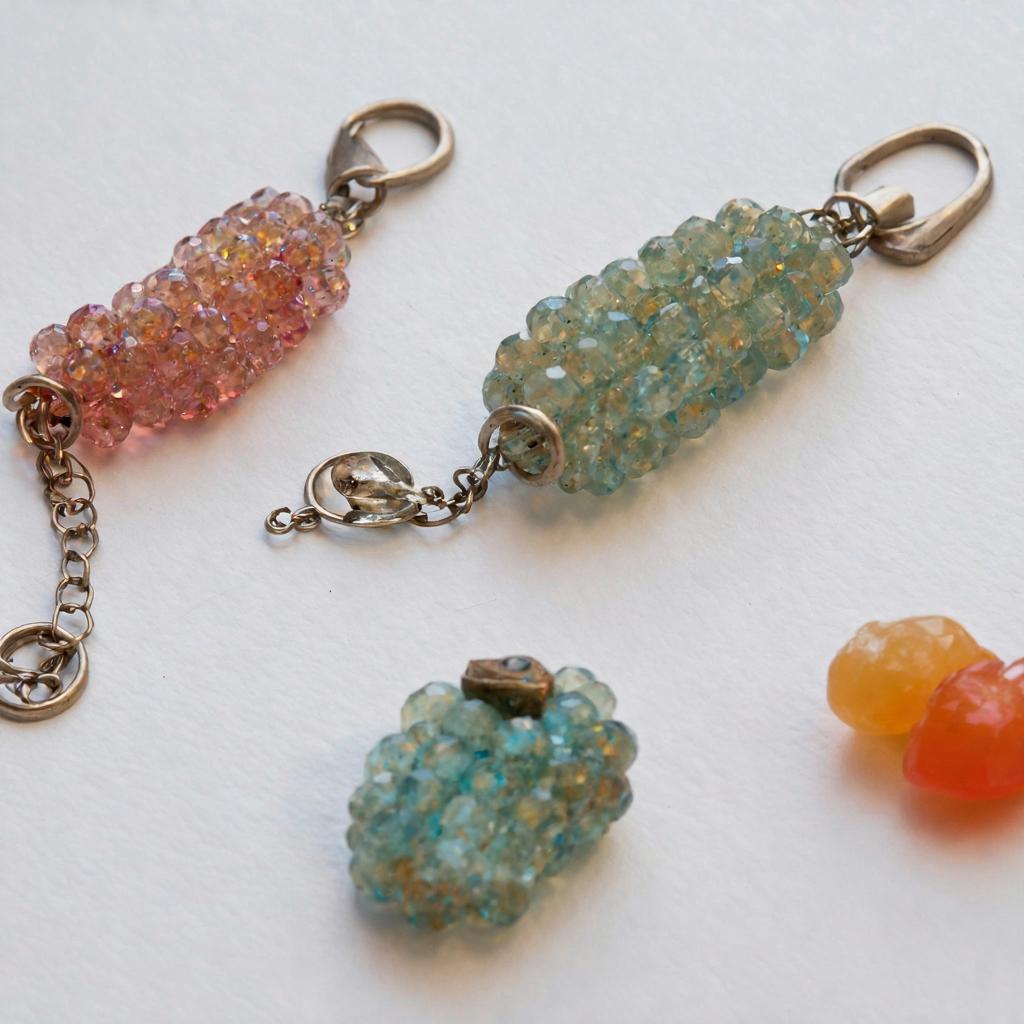
Bead keychains represent a perfect fusion of creativity and functionality, transforming simple key organization into personalized art. Whether you are a hobbyist exploring craft techniques or a business seeking distinctive promotional products, understanding how to make bead keychains opens endless design possibilities. This extensive guide covers everything from selecting beads and materials to mastering complex patterns, while also explaining when and why to transition from handmade prototypes to professional manufacturing. At Metal Crafts Pro, we support creators at every stage, offering both the components for DIY projects and the production capabilities for large-scale commercial orders.
Materials and Components for Bead Keychains
The foundation of every quality bead keychain lies in material selection. Choices made at this stage determine durability, appearance, weight, and manufacturing complexity.
Types of Beads
The bead market offers staggering variety. Common categories include:
- Glass Beads: Available in countless colors, finishes, and shapes. Glass provides excellent color saturation and can feature intricate interior patterns. However, glass is brittle and may crack under impact.
- Acrylic and Plastic Beads: Lightweight, inexpensive, and available in shapes that mimic more expensive materials. These suit budget-friendly projects but may scratch or fade over time.
- Metal Beads: Brass, stainless steel, aluminum, and pewter beads add weight, durability, and premium aesthetics. Metal beads can be plated, antiqued, or polished to achieve specific looks.
- Natural Stone Beads: Gemstones, minerals, and semi-precious stones create upscale, unique keychains where no two pieces are identical. Variations in color and pattern become selling points.
- Wooden Beads: Eco-friendly and warm in appearance. Wooden beads accept stains, paints, and pyrography for rustic or bohemian styles.
- Ceramic and Porcelain Beads: Offer hand-painted artistic detail and substantial heft. These are ideal for artisan and boutique markets.
Metal Crafts Pro supplies precision-machined metal beads in standard and custom shapes, as well as metal findings that complement bead selections across all material categories.
Stringing Materials
The cord or wire threading your beads must match the project’s mechanical requirements:
- Nylon Cord: Flexible, knot-friendly, and available in many colors. Suitable for lightweight beads but may stretch over time.
- Steel Cable: Plastic-coated aircraft-grade cable provides exceptional strength and cut resistance. Ideal for heavy beads and security applications.
- Elastic Cord: Allows stretch and forgiveness but lacks longevity under constant tension.
- Leather and Suede Lace: Creates organic, tactile appeal. These natural materials age characteristically but may degrade with moisture exposure.
- Chain: Metal chain links between beads create an industrial aesthetic and unmatched durability. Chain-based keychains accommodate heavy beads without risk of cord failure.
Findings and Hardware
Every bead keychain requires reliable hardware to connect the beaded section to keys or other attachments. Essential findings include:
- Crimp Beads and Tubes: Secure flexible wire ends by compressing them with specialized pliers.
- Jump Rings: Small split rings that connect beaded segments to key rings or clasps.
- Eye Pins and Head Pins: Metal pins that pass through beads and create attachment loops at the ends.
- Lobster Clasps and Swivel Hooks: Allow quick detachment of the beaded portion from keys.
- Key Rings: Standard split rings or decorative alternatives that hold the actual keys.
Tools Required for Bead Keychain Construction
Basic bead keychains require minimal tools, but quality equipment improves results and reduces frustration.
Essential Hand Tools
Round-nose pliers create smooth loops in wire. Chain-nose pliers grip small components without marring surfaces. Flush cutters trim wire ends cleanly. Crimping pliers compress crimp beads into secure, professional-looking barrels. A bead mat or tray with a soft, textured surface prevents beads from rolling away during assembly.
Advanced Equipment
Production environments benefit from power crimpers, automatic wire cutters, and bead sorting machines. For metal beads requiring custom drilling or threading, CNC machining centers and laser drilling systems achieve precision impossible with hand tools. Metal Crafts Pro operates a full machine shop capable of producing beads with internal threads, counterbored holes, and complex external geometries.
Design Principles and Pattern Development
Successful bead keychain design balances aesthetics, ergonomics, and structural integrity. Poorly planned keychains may look beautiful but fail in daily use.
Color Theory and Coordination
Color selection drives emotional response and brand recognition. Complementary color schemes create visual energy, while analogous schemes feel harmonious and calming. For corporate keychains, match bead colors precisely to Pantone specifications using coated metal beads or custom-dyed materials. Metallic finishes including gold, silver, gunmetal, and rose gold expand palette options while conveying luxury.
Proportion and Scale
Bead diameter affects both appearance and functionality. Large statement beads above 15mm dominate visually and work best as focal elements. Medium beads between 6mm and 10mm provide versatility for pattern building. Small seed beads below 4mm enable intricate detail but require excellent eyesight and patience. The total length of a beaded keychain should generally not exceed 10cm for pocket comfort unless designed specifically for bag or purse attachment.
Weight Distribution
Heavy beads positioned at the bottom of a keychain create a pendulum effect that causes swinging and potential impact damage. Distribute weight evenly or concentrate heavier beads near the attachment point. For metal bead designs, calculate total mass before finalizing specifications to ensure comfortable carry.
Pattern Structures
Common bead keychain patterns include:
- Single Strand: Beads strung in linear sequence. Simple to produce but offers limited design complexity.
- Multi-Strand Braids: Several strands woven together create thicker, more substantial keychains. Kumihimo and macrame techniques produce beautiful braided results.
- Dangles and Charms: Individual beads or small clusters suspended from a main ring add movement and visual interest.
- Netting and Weaving: Beads interlocked in fabric-like structures create flat or tubular keychain bodies with elaborate surface patterns.
- Wrapped Wire: Beads secured with wire wrapping techniques rather than stringing. This approach creates sculptural, one-of-a-kind pieces.
Step-by-Step DIY Bead Keychain Construction
For readers ready to create their first bead keychain, here is a proven method using basic materials and tools.
Step 1: Planning and Measurement
Determine your desired finished length, typically 8-10cm for a standard keychain. Select beads and lay them out in your intended pattern on a bead mat. Account for the length of findings and clasps in your calculation.
Step 2: Cutting and Preparing Cord
Cut your chosen cord or wire approximately 15cm longer than your finished length to allow comfortable working room. If using nylon cord, seal the cut end with a brief flame exposure to prevent fraying.
Step 3: Attaching the Clasp
Thread one end of your cord through a crimp bead, then through the loop of a lobster clasp or split ring. Pass back down through the crimp bead to create a loop. Position the crimp bead close to the clasp and compress firmly with crimping pliers. Trim the tail end close to the crimp.
Step 4: Stringing the Beads
Thread your beads onto the cord in the planned pattern. Maintain even spacing and periodically hold the piece up to check visual balance.
Step 5: Finishing the End
After the final bead, thread on another crimp bead and pass the cord through your bottom finding or jump ring. Return through the crimp bead and several adjacent beads. Pull tension firmly but not excessively, as overtightening causes cord fatigue. Compress the crimp and trim the tail.
Step 6: Quality Inspection
Test the keychain by attaching keys and applying gentle tugs. Verify crimp security and check that beads move freely without binding. Make any necessary adjustments before considering the piece complete.
Transitioning from Handmade to Professional Manufacturing
Many successful bead keychain brands begin as handmade ventures. When demand grows beyond personal production capacity, professional manufacturing partnerships become essential.
Identifying the Right Time to Scale
Several indicators suggest readiness for professional manufacturing:
- Orders consistently exceed your handmade production capacity.
- Customers request quantities or pricing impossible for solo crafters.
- Designs require materials or precision beyond home workshop capabilities.
- Retail or wholesale accounts demand consistent quality, packaging, and delivery schedules.
Prototyping and Design Refinement
Before approaching a manufacturer, refine your design for production efficiency. Simplify assembly steps, standardize bead sizes where possible, and eliminate manual operations that add cost without proportional value. Metal Crafts Pro offers prototype development services where our engineers review your handmade samples and suggest manufacturing optimizations that preserve design intent while improving consistency and margins.
Material Sourcing at Scale
Individual crafters purchase beads and findings at retail prices. Manufacturers source raw materials by the kilogram and produce custom components in-house. This economies-of-scale advantage often surprises entrepreneurs. A bead that costs two dollars retail might cost twenty cents in volume, though tooling and setup fees apply to custom shapes.
Quality Standards and Consistency
Handmade charm lies in subtle variation, but commercial buyers expect uniformity. Professional manufacturing employs statistical process control, automated inspection, and standardized work instructions to ensure every unit matches the approved prototype. Metal Crafts Pro maintains ISO-compliant quality management systems and provides material certifications, test reports, and inspection documentation upon request.
Packaging and Fulfillment Integration
Manufacturing partnerships can extend beyond production to include custom packaging, labeling, and direct-to-customer fulfillment. These integrated services reduce handling costs and accelerate delivery times. We offer blister packaging, velvet pouches, printed backing cards, and gift box assembly as part of comprehensive manufacturing agreements.
Metal Bead Manufacturing Capabilities
Metal beads represent a specialty at Metal Crafts Pro. Our manufacturing capabilities include die casting, CNC machining, stamping, and metal injection molding. We can produce beads with:
- Custom logos embossed or engraved on bead surfaces.
- Internal threading for screw-together keychain designs.
- Complex external geometries including faceting, knurling, and geometric profiles.
- Multi-tone plating with selective masking.
- Antique and distressed finishes that highlight surface detail.
These capabilities enable brands to create truly distinctive bead keychains that stand apart from commodity offerings.
Conclusion
Learning how to make bead keychains provides a rewarding creative outlet and potential business foundation. From selecting the perfect beads and mastering stringing techniques to understanding when professional manufacturing becomes the logical next step, this guide covers the complete journey. Whether you are creating one handmade gift or ten thousand retail units, attention to materials, design, and construction quality ensures your bead keychains delight users for years. When you are ready to elevate your bead keychain project to commercial production, Get a Free Quote from Metal Crafts Pro and discover how our metal crafting expertise can bring your vision to market with precision and efficiency.

