The seemingly simple question of which side to wear a lapel pin carries surprising depth. Ask ten different people, and you may receive ten different answers rooted in military tradition, diplomatic protocol, regional custom, or personal preference. For organizations investing in bulk custom lapel pins, providing clear guidance on this question prevents inconsistent appearance across team members and ensures your brand presents uniformly professional impressions. At Metal Crafts Pro, we help clients develop comprehensive wearing guides that accompany every bulk order, eliminating confusion and maximizing the impact of custom pin investments.
The debate over lapel pin side has persisted for generations, fueled by evolving fashion norms, cross-cultural differences, and the increasing diversity of garments beyond traditional suits. While certain rules remain firm, particularly in military and diplomatic contexts, modern business attire offers more flexibility than many assume. Understanding when to follow tradition strictly and when adaptation is acceptable empowers your team to wear custom lapel pins with confidence in any setting.
The Traditional Rule: Left Side Near the Heart
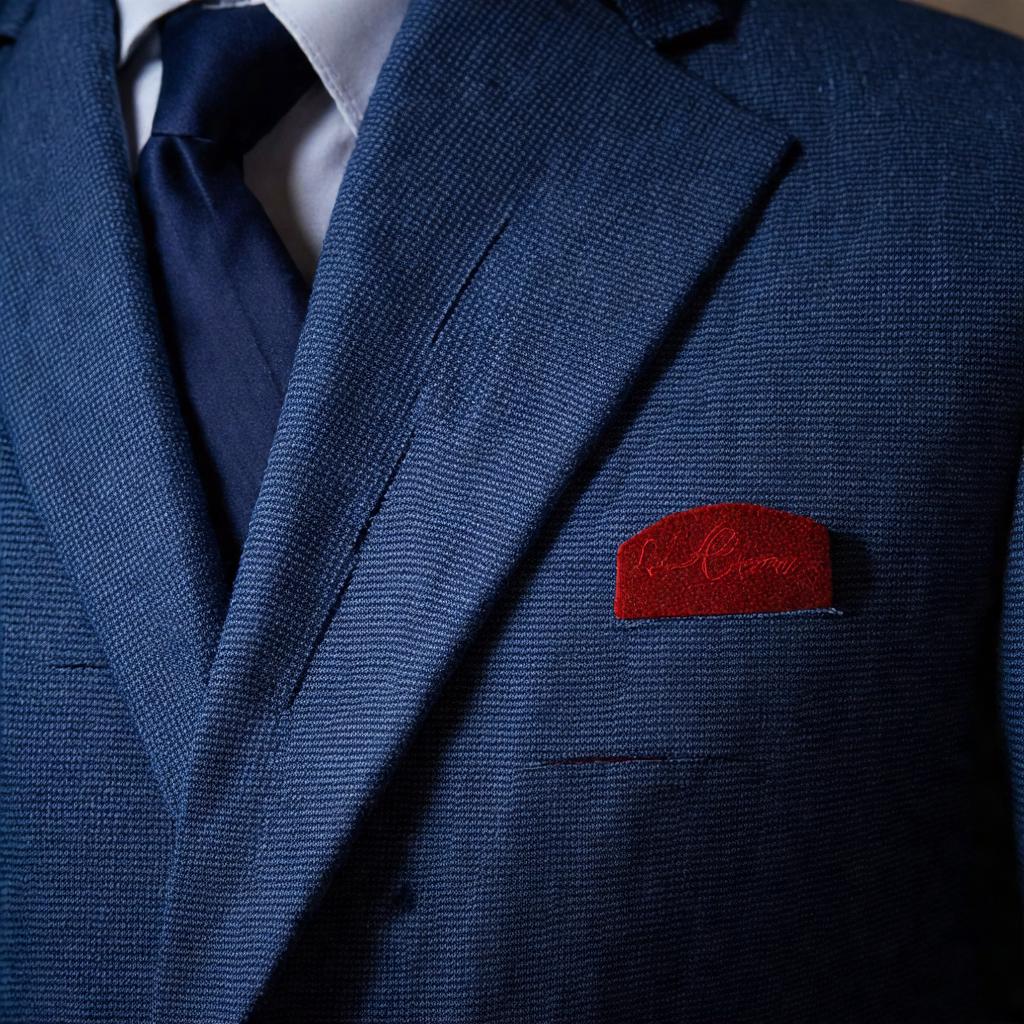
The overwhelming consensus across military, diplomatic, and formal business traditions holds that lapel pins belong on the left side. This convention traces directly to military heritage, where insignia, medals, and decorations were worn on the left side of the uniform to sit closest to the heart. The symbolism proved powerful: decorations worn near the heart represented loyalty, honor, and commitment to nation or cause.
In civilian contexts, the left-side rule has become so universally accepted that deviation often appears intentional rather than ignorant. For corporate environments, political appearances, formal ceremonies, and client-facing meetings, the left lapel remains the only appropriate choice. When President and CEOs appear in public wearing flag pins or corporate insignia, they invariably position them on the left lapel, reinforcing this placement as the standard for serious, professional contexts.
Within the left lapel, vertical positioning also follows tradition. The pin should sit approximately one inch below the notch or gorge line, aligned parallel to the top edge of the lapel. This placement ensures visibility without competing with neckties, pocket squares, or shirt collars for attention. For jackets featuring a buttonhole on the left lapel, position the pin immediately above or beside this buttonhole, which serves as a natural visual anchor.
For organizations distributing custom lapel pins in bulk, the left-side rule simplifies training considerably. Every team member can be instructed uniformly: left lapel, one inch below the notch. This consistency creates cohesive brand presentation when multiple employees appear together at events, in photographs, or during video conferences.
Exceptions and Modern Variations
Despite the dominance of left-side tradition, legitimate exceptions exist. Understanding these exceptions prevents rigid adherence to rules that may not serve every situation while maintaining appropriate boundaries.
Right-side placement for specific organizational pins: Some institutions, particularly in European diplomatic traditions, prescribe right-side placement for certain categories of pins or medals. Additionally, when wearing a pin representing an award from a foreign nation, that nation’s placement customs may take precedence over domestic conventions. Organizations operating internationally should research local customs before dictating placement rules for global teams.
Balanced dual placement: Fashion-forward individuals and creative industry professionals sometimes wear pins on both lapels intentionally to create visual symmetry. This approach works best with small, matched pins rather than large statement pieces. For corporate contexts, dual placement remains unconventional and should generally be avoided unless your organization explicitly embraces avant-garde branding.
Women’s placement variations: Women’s suiting and professional attire often present different lapel structures than men’s jackets. Some women’s blazers feature narrow or nonexistent lapels, making traditional placement impossible. In these cases, the left chest area near where a lapel would sit remains the appropriate zone, even if no actual lapel exists. Pins may also be positioned on collar points, shirt plackets, or scarf folds on the left side.
Cultural and religious considerations: In some cultures, the left hand carries associations with impurity or inauspiciousness, potentially influencing preferences for right-side placement of significant symbols. While these considerations rarely override Western business conventions in international corporate settings, awareness demonstrates cultural sensitivity.
Industry-Specific Pin Wearing Protocols
Different industries have developed nuanced approaches to lapel pin side that reflect their unique histories and values. Organizations in these sectors should respect established norms while finding opportunities for brand differentiation.
Military and veterans organizations: Military regulations specify precise placement for every category of insignia and decoration. Miniature medals worn on civilian attire follow the same left-side precedence as full-size military decorations. Veterans wearing service pins or commemorative lapel pins should position them on the left side in alignment with their service history.
Political campaigns and government service: American political figures universally wear flag pins on the left lapel. During campaign seasons, candidates often wear multiple pins representing endorsements, union affiliations, or cause commitments. These additional pins typically extend outward from the primary flag pin along the left lapel, never crossing to the right side.
Healthcare and scientific professions: Medical professionals wearing pins representing board certifications, hospital affiliations, or specialty societies follow standard left-lapel placement. At medical conferences, where attendees collect pins from multiple institutions, left-lapel clustering is common and accepted within the profession’s culture.
Creative and entertainment industries: These sectors tolerate and often encourage placement experimentation. Fashion designers, musicians, and artists may deliberately choose unconventional sides or placements to express individuality. Corporate creative departments can leverage this flexibility, though client-facing roles should maintain more conservative standards.
Ordering Bulk Custom Pins for Your Organization
Once you have established placement guidelines for your organization, communicating these standards consistently becomes essential. Metal Crafts Pro recommends creating a simple one-page style guide distributed with every bulk pin order. This guide should include a diagram showing correct placement, any exceptions applicable to your industry, and guidance on combining multiple pins.
Consider also creating photograph examples showing correct and incorrect placement. Visual references prove more effective than text descriptions alone, particularly for team members who may not regularly wear formal attire. Include examples for different garment types: suits, blazers, shirts without jackets, and uniforms.
For organizations with international operations, develop region-specific guidance that respects local customs while maintaining brand consistency. A single global standard may prove impractical or culturally insensitive. Instead, establish core principles, visible placement, appropriate sizing, and permit regional adaptation of specific side or positioning details.
The physical design of your pins also influences side selection. Pins with asymmetrical designs, text, or directional imagery must be oriented correctly to read properly. When viewed by others, text on a left-lapel pin should read from left to right as the viewer sees it. Metal Crafts Pro’s design team reviews every bulk order for orientation considerations, ensuring that pins worn on the left lapel present correctly to observers.
Clarify your organization’s lapel pin standards with professionally manufactured custom pins from Metal Crafts Pro. We go beyond manufacturing to provide comprehensive wearing guides, placement diagrams, and style consultation with every bulk order. Our precision-crafted pins feature proper post positioning and backing alignment that supports correct left-lapel wearing from day one. Whether you need five hundred pins for a regional team or fifty thousand for a national campaign, Metal Crafts Pro delivers consistent quality and expert guidance. Request your free custom manufacturing quote today and ensure your team represents your brand with polished, uniform professionalism.