
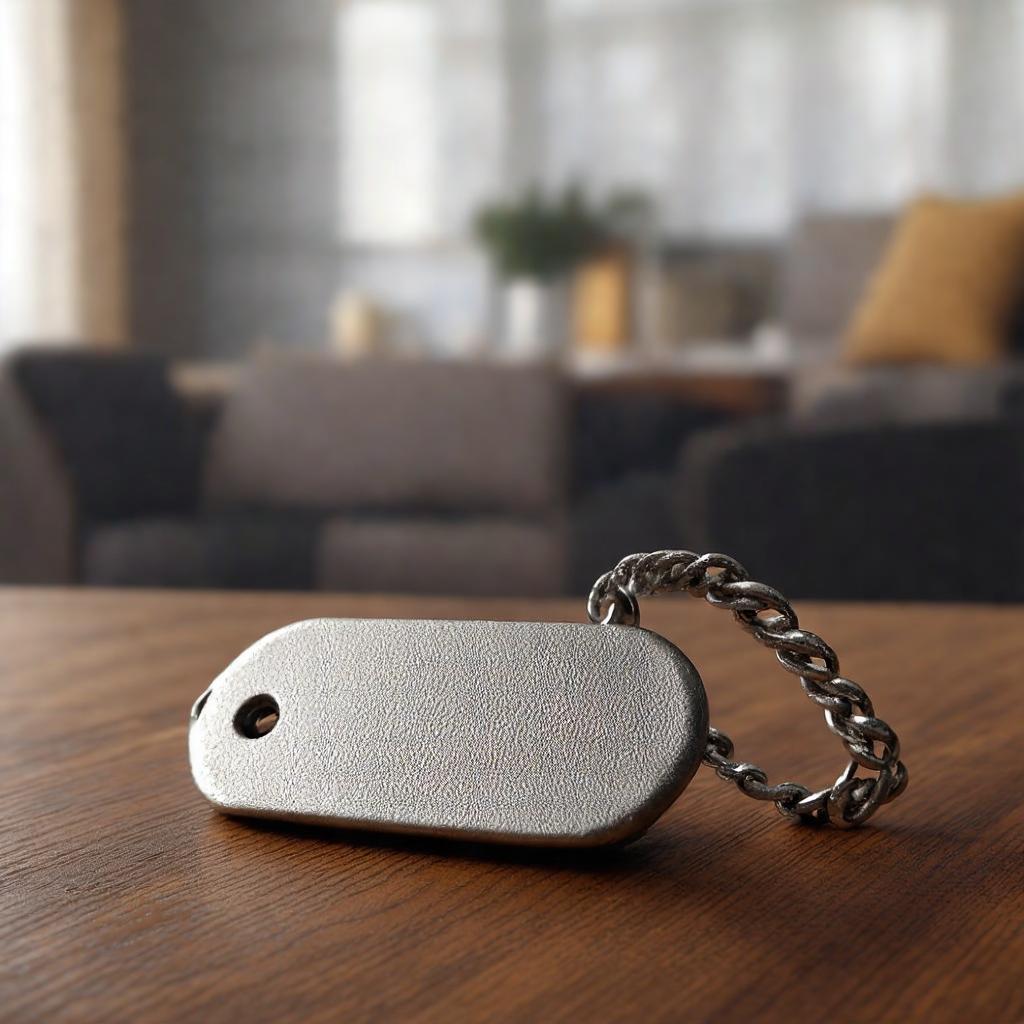
Dog tags are one of the most recognizable forms of identification in the world. From the battlefields of World War I to the collars of beloved family pets today, these small metal identifiers carry immense historical and practical significance. If you have ever wondered when dog tags were invented, you are not alone. Understanding the origin of dog tags helps buyers, historians, and businesses appreciate their enduring value and timeless utility. In this comprehensive guide, we will explore the complete history of dog tags, their evolution through major conflicts, their transition into civilian life, and what modern buyers should know when sourcing custom dog tags for commercial, promotional, or personal use.
At Metal Crafts Pro, we specialize in manufacturing high-quality custom metal products, including precision-crafted dog tags for military, commercial, and pet markets. Whether you need bulk custom dog tags for resale or personalized tags for your brand, our factory-direct capabilities ensure superior quality at competitive prices. With decades of combined experience in metal stamping, laser engraving, and custom finishing, we are the trusted B2B partner for distributors, retailers, and corporate clients worldwide.
The Origins of Dog Tags in Military History
The concept of soldier identification stretches back thousands of years, but the modern dog tag as we know it emerged during the early twentieth century. The United States military officially adopted dog tags in 1913, though their use became widespread during World War I. Before standardized identification tags, soldiers would often pin paper notes or write their names inside their uniforms. This system was unreliable and heartbreaking for families who lost loved ones without proper identification.
The term “dog tag” itself is believed to have originated from the resemblance of these metal tags to the tags used on dog collars. While some servicemembers initially found the nickname demeaning, it eventually became an accepted and even proud term used across all branches of the military. Today, the phrase is used globally to describe any small metal identification tag worn on a chain around the neck.
The original purpose of dog tags was grim but necessary. In the chaos of battle, soldiers could be killed by artillery, gunfire, or gas attacks, leaving their bodies unrecognizable. Identification tags ensured that fallen servicemembers could be identified, their families notified, and their sacrifices properly recorded. This humanitarian function made dog tags an indispensable part of military equipment.
Ancient Precursors to Modern Dog Tags
Although the official adoption of dog tags happened in the twentieth century, the idea of identifying soldiers on the battlefield dates back to ancient civilizations. Military leaders have always understood that knowing who died in battle was essential for morale, record-keeping, and honoring the fallen:
- Ancient Roman Legions: Roman soldiers wore lead disks called signaculum around their necks, inscribed with their name and unit information. These early identification tags were issued during training and remained with the soldier throughout their service.
- American Civil War: During the 1860s, soldiers improvised identification by pinning paper notes to their jackets or purchasing engraved metal tags from sutlers who followed the armies. Some soldiers even wrote their names on the inside of their uniforms, hoping it would be enough if they fell.
- Prussian Military: In the 1870s, the Prussian Army introduced identification tags made of wood and metal, which influenced other European armies to follow suit.
- British Army: During the Boer War at the turn of the twentieth century, British soldiers were issued aluminum identification discs, which represented a significant step toward standardization.
These early experiments proved that battlefield identification was essential, but it was not until the twentieth century that standardization made dog tags a universal military requirement. The lack of a unified system meant that many soldiers from earlier eras were buried in unmarked graves, their identities lost to history forever.
Evolution of Dog Tags Through the Twentieth Century
After their official introduction in 1913, dog tags underwent significant changes to improve durability, readability, and functionality. Each major conflict brought innovations that reflected advances in technology, medicine, and military bureaucracy:
- World War I Era: Early U.S. dog tags were made of aluminum and included the soldier’s name, rank, serial number, and religion. They were issued as single tags, which proved problematic when soldiers died and there was no way to leave identification with the body while also recording the death for headquarters.
- World War II: The military introduced a second tag to improve casualty reporting. One tag remained with the body, typically placed between the teeth or tied to a toe, while the other was collected for administrative records. This dual-tag system is still the standard today. WWII tags also added blood type information, reflecting growing medical knowledge.
- Korean War: Tags remained largely unchanged from WWII, though production methods improved. Stainless steel began replacing aluminum as the primary material due to its superior durability in extreme climates.
- Vietnam War: Dog tags were updated to include Social Security numbers rather than service numbers, and religious preference remained a standard field. The jungle environment of Vietnam accelerated wear, leading to improved protective coatings.
- Modern Era: Today’s dog tags incorporate silent rubber edges to reduce noise during movement, and some feature QR codes, microchips, or RFID technology for digital identification. The military continues to refine the format to meet contemporary operational needs.
This evolution demonstrates the adaptability of dog tags to meet changing military and medical needs. Metal Crafts Pro leverages this legacy of precision and durability to manufacture custom dog tags that meet modern standards for quality and customization. Our production facility uses state-of-the-art laser engraving and CNC machining to create tags that honor this century-old tradition while incorporating contemporary design possibilities.
From Military Gear to Commercial and Pet Accessories
After World War II, dog tags transitioned from strictly military use to civilian applications on a massive scale. Veterans returning home continued to wear their tags, and the distinctive look became associated with strength, service, and identity. Entrepreneurs recognized the commercial potential, and by the 1970s and 1980s, dog tags were being sold as fashion accessories, jewelry, and pet identification products. Today, they serve multiple thriving markets:
- Pet Identification: Pet owners rely on engraved dog tags to keep their furry friends safe and ensure quick reunification if lost. The pet ID tag market is now a multi-billion-dollar industry worldwide.
- Fashion and Jewelry: Dog tags have become popular fashion accessories, often personalized with names, quotes, symbols, or religious verses. Celebrities and musicians have frequently worn them, cementing their place in popular culture.
- Promotional Products: Businesses use custom dog tags as branded merchandise, event giveaways, corporate gifts, and trade show souvenirs. Their perceived value is high relative to production cost.
- Memorial Keepsakes: Families honor veterans by preserving or replicating original military dog tags. Replica tags are also popular among historians and collectors.
- Medical Alert Identification: Dog tags formatted with medical conditions, allergies, and emergency contacts provide an alternative to traditional medical alert bracelets.
The versatility of dog tags has made them a staple product in the custom metal crafts industry. Whether you need stainless steel, aluminum, brass, or copper dog tags, choosing a reliable manufacturer ensures your products stand out in a competitive marketplace. At Metal Crafts Pro, we produce dog tags in all of these materials and more, with optional color fills, epoxy coatings, and unique shapes to differentiate your product line.
What to Look for in Custom Dog Tag Manufacturing
If you are a business buyer, reseller, or procurement manager sourcing custom dog tags, quality should be your top priority. The difference between a premium dog tag and a cheap alternative often comes down to manufacturing standards, material selection, and attention to detail. Here are the key factors to evaluate when selecting a manufacturing partner:
- Material Selection: High-grade stainless steel, aluminum, and brass offer durability and corrosion resistance for long-lasting tags. Medical-grade stainless steel is ideal for skin contact applications, while anodized aluminum provides vibrant color options at a lower price point.
- Engraving Precision: Laser engraving and deep-etching technologies ensure sharp, legible text that will not fade over time. Rotary engraving offers a classic carved appearance preferred by some premium brands.
- Customization Options: Look for manufacturers that offer variable shapes, sizes, finishes, and color fills to match your brand requirements. Custom shapes beyond the traditional rectangle can command higher retail prices.
- Production Capacity: Factory-direct partners with scalable capacity can handle both small custom runs and large wholesale orders without compromising quality or delivery timelines.
- Quality Certifications: ISO-certified facilities and rigorous inspection protocols guarantee consistent product quality across large batches. Ask about defect rates and rework policies.
- Packaging Services: Many B2B buyers need individual polybagging, carded packaging, or gift box assembly. A full-service manufacturer can handle these value-added services.
Metal Crafts Pro delivers all of these capabilities under one roof. Our B2B manufacturing services are designed for distributors, retailers, e-commerce sellers, and corporate clients who demand precision, speed, and competitive pricing. We maintain strict quality control at every stage of production, from raw material inspection to final packaging.
Why the History of Dog Tags Matters to Buyers Today
Understanding when dog tags were invented is more than a history lesson. It reveals why these small metal identifiers are trusted by militaries, pet owners, and businesses worldwide. The century-long legacy of durability, standardization, and functionality sets a high benchmark that modern manufacturers must meet. When consumers purchase a dog tag, they are buying into a tradition of reliability and seriousness.
When you source custom dog tags for your business, you are not just buying a product. You are investing in a proven format that consumers recognize and trust. A poorly made tag with shallow engraving or inferior metal will reflect badly on your brand, while a premium tag can generate repeat purchases and positive reviews. Partnering with an experienced manufacturer ensures that trust translates into customer satisfaction and long-term business growth.
Modern Design Trends in Custom Dog Tags
The dog tag market continues to evolve with changing consumer preferences. Staying ahead of design trends can give your product line a competitive edge:
- Minimalist Engraving: Clean, sparse text with generous negative space appeals to modern aesthetics.
- Mixed Metals: Combining silver and gold tones, or steel with leather accents, creates visual interest.
- Geometric Shapes: Beyond rectangles, hexagons, dog bones, hearts, and shields are popular alternatives for pet tags.
- Blackened or Oxidized Finishes: These create high-contrast text that is extremely easy to read and offers a tactical, military-inspired look.
- Embedded Gems or Crystals: Premium fashion tags incorporate small stones for a luxury positioning.
Our design team at Metal Crafts Pro stays current with these trends and can advise on which features will resonate with your specific target market.
Frequently Asked Questions About Dog Tags
- When were dog tags first used in the U.S. military? The U.S. military officially adopted dog tags in 1913, and their use became universal during World War I.
- What were dog tags originally made of? Early dog tags were typically made of aluminum. Modern versions use stainless steel, brass, and even silicone-edged designs.
- Why are there two dog tags? The dual-tag system ensures one tag stays with the soldier for identification, while the other is collected for administrative and notification purposes.
- Can dog tags be used for pets? Yes. Pet dog tags are one of the most popular civilian applications, providing essential identification and peace of mind for pet owners.
- How long does custom dog tag production take? Standard production typically ranges from two to four weeks depending on order size and customization complexity.
Conclusion: Source Premium Custom Dog Tags from Metal Crafts Pro
The history of dog tags is a story of innovation, necessity, and enduring relevance. From their military origins in 1913 to their modern use in fashion, pets, and promotions, dog tags remain one of the most versatile metal products available. For businesses looking to capitalize on this demand, working with a trusted B2B manufacturer is essential to delivering quality that customers expect.
Metal Crafts Pro offers factory-direct custom dog tag manufacturing with premium materials, precision engraving, and flexible customization options. Whether you need bulk orders for retail or bespoke designs for corporate clients, we are ready to deliver with the speed, quality, and competitive pricing your business demands. Contact us today for a free quote and discover how our expertise can elevate your product line and grow your business.

