
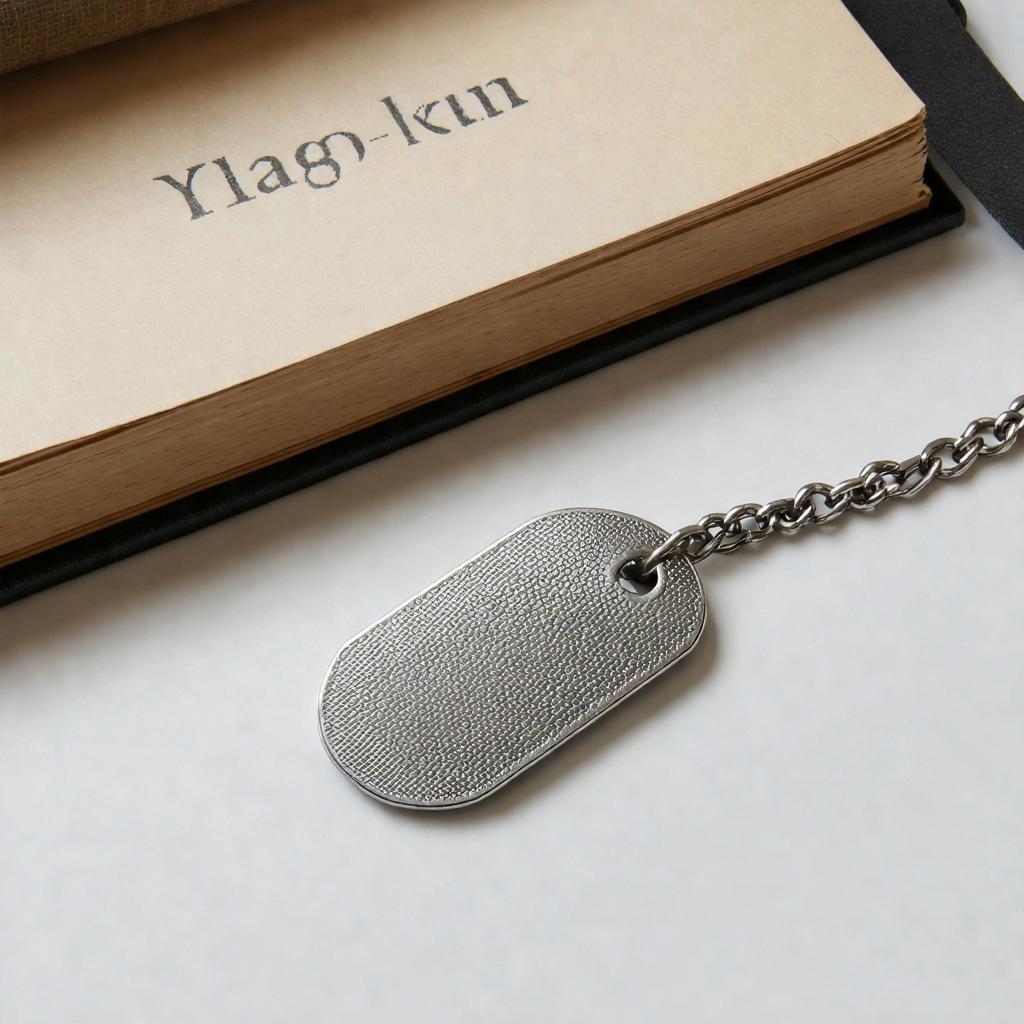
Dog tags have evolved far beyond their military origins to become versatile identification tools used across civilian, commercial, and medical applications. Whether you are a pet owner seeking the perfect ID tag, a business creating branded identification products, or an individual managing a medical condition, understanding what to put in a dog tag ensures the information serves its intended purpose effectively. At Metal Crafts Pro, we manufacture premium metal dog tags using military-grade stainless steel, aluminum, and brass with precision engraving and embossing capabilities. This comprehensive guide explores historical context, modern applications, engraving best practices, and the specific information that belongs on different types of dog tags.
The Military Origins and Traditional Information
Dog tags earned their nickname from their resemblance to actual dog registration tags, but their military significance is profound. Standard issue military identification tags have followed specific formats for over a century.
Historical U.S. Military Format
Traditional U.S. military dog tags contained essential identifying information in a standardized layout:
- Name: Last name, first name, and middle initial.
- Service Number or Social Security Number: Originally service-specific numbers, later transitioning to Social Security numbers, and now returning to unique Department of Defense identification numbers for security.
- Blood Type: Critical for battlefield medical treatment when transfusion is necessary.
- Religious Preference: Allowed for appropriate last rites and spiritual care.
- Vaccination Status: Particularly for tetanus in earlier versions.
The two-tag system ensured one tag remained with the body while another traveled with administrative records. This redundancy highlights the importance of durable, legible metal identification that survives harsh conditions.
Modern Military Specifications
Contemporary military dog tags must meet rigorous MIL-SPEC requirements for material composition, dimensions, embossing depth, and corrosion resistance. Metal Crafts Pro manufactures tags to these exacting standards for military contractors, veterans organizations, and commemorative purposes.
Pet Identification Tags: Essential Information
Pet dog tags represent the most common civilian application. The information engraved on a pet tag can mean the difference between a lost animal returning home or remaining permanently separated from its family.
Critical Contact Details
The most important information on any pet ID tag includes:
- Pet Name: Allows finders to call the animal by name, reducing fear and facilitating approach.
- Owner Phone Number: Include a current mobile number with area code. Some owners list a secondary emergency contact.
- City or Address: General location information helps local finders recognize proximity. Full street addresses are discouraged by some security experts due to privacy concerns.
Medical and Behavioral Information
If your pet requires daily medication, has severe allergies, or displays specific behavioral tendencies, concise medical alerts on the tag can save lives. Examples include:
- "Needs Daily Medication"
- "Diabetic – Needs Insulin"
- "Deaf – Do Not Chase"
- "Friendly – Reward for Return"
Microchip Reference
Many veterinarians recommend adding "Microchipped" to physical tags, prompting finders to have the animal scanned. This bridges the gap between immediate visual identification and database-verified ownership.
Legal Compliance Considerations
Some jurisdictions require rabies vaccination tags in addition to owner identification. Check local regulations to ensure your pet’s collar carries all legally mandated tags. Metal Crafts Pro produces custom rabies tag shapes and numbering systems for veterinary clinics and animal control agencies.
Medical Alert Dog Tags
Medical alert dog tags serve as wearable health summaries for individuals with conditions that might render them unable to communicate during emergencies.
Conditions Warranting Medical Alert Tags
Common conditions documented on medical alert dog tags include diabetes, epilepsy, severe allergies to medications or foods, hemophilia, autism, dementia, and implanted medical devices such as pacemakers or insulin pumps. First responders are trained to look for medical identification during assessments.
Recommended Information Hierarchy
Space on a standard dog tag is limited, so prioritize information by urgency:
- Primary Condition: The single most critical diagnosis that affects emergency treatment.
- Key Medications: Only list medications that emergency personnel must know about, such as blood thinners or immunosuppressants.
- Emergency Contact: A family member or physician reachable 24 hours.
- Allergies: Life-threatening allergies to medications like penicillin or conditions like latex sensitivity.
Medical Symbol Recognition
The Star of Life symbol or caduceus mark alerts medical professionals that the tag contains health information rather than personal or military data. Engraving this symbol prominently improves recognition speed during high-stress emergencies. Metal Crafts Pro can precision-engrave standardized medical symbols alongside custom text.
Modern Commercial and Promotional Uses
Beyond identification, dog tags have found new life in fashion, marketing, and corporate identity applications.
Branded Promotional Tags
Companies use dog tag necklaces and keychains as memorable promotional items. Information on promotional tags typically includes:
- Company Name and Logo: Laser engraved or embossed for permanent brand exposure.
- Website or QR Code: Directs recipients to landing pages or digital content.
- Slogan or Tagline: Reinforces brand messaging.
- Event or Campaign Identifier: Commemorates specific trade shows, product launches, or milestones.
Membership and Access Credentials
Some organizations issue metal dog tags as membership identifiers or access passes. Serialized numbering and anti-counterfeiting features like microtext or holographic elements prevent unauthorized duplication. Metal Crafts Pro integrates these security features into custom tag manufacturing.
Commemorative and Memorial Tags
Memorial dog tags honor fallen service members, celebrate significant anniversaries, or preserve quotes and dates meaningful to families. These pieces become treasured keepsakes when crafted from precious metals or finished with heirloom-quality techniques.
Engraving Best Practices and Techniques
The method used to mark a dog tag determines its durability, legibility, and aesthetic character. Not all engraving is equal.
Embossing vs. Engraving
Embossing raises characters above the surface by pressing from behind. This traditional military method creates tactile, highly visible text that remains readable even if paint or coating wears away. Engraving cuts characters into the surface. Modern laser engraving achieves extraordinary precision with character heights as small as 1.5mm while maintaining clarity.
Deep Laser Engraving
For maximum durability, Metal Crafts Pro recommends deep laser engraving that removes significant material rather than merely marking the surface. Deep engraving survives decades of abrasion, chemical exposure, and weathering. The process is compatible with stainless steel, brass, aluminum, and titanium.
Color Filling
Engraved text can be filled with contrasting paint or enamel to improve readability. Black fill on stainless steel or white fill on anodized aluminum creates sharp visual contrast. Color filling requires rechecking after initial curing because some shrinkage or bubbling may occur.
Font Selection
Choose fonts optimized for metal marking. Sans-serif fonts like Arial or Helvetica maintain clarity at small sizes. Decorative scripts may look elegant but become illegible when scaled down or viewed from angles. For critical information like medical alerts, prioritize absolute readability over aesthetic flourish.
Character Spacing and Layout
Proper kerning ensures characters do not merge together during engraving. Layout software should account for tag curvature if present. Metal Crafts Pro uses specialized fixtures and software compensation to maintain consistent character depth and spacing across curved and flat tag surfaces.
Material Selection for Specific Applications
Different environments demand different materials. Selecting appropriately ensures tags remain functional throughout their intended service life.
Stainless Steel
The gold standard for durability. Stainless steel resists corrosion, impact, and temperature extremes. It is slightly heavier than aluminum but practically indestructible under normal conditions. Grade 304 stainless suits most applications, while grade 316 provides enhanced saltwater corrosion resistance for marine environments.
Aluminum
Lightweight and cost-effective, aluminum works well for promotional tags, temporary identification, and applications where weight matters. Anodized aluminum accepts dye colors for vibrant tag options. However, aluminum scratches more easily than steel and may deform under severe impact.
Brass and Bronze
These copper alloys develop attractive patinas over time and offer excellent machinability for intricate designs. Brass tags suit decorative, commemorative, and fashion applications. The natural antimicrobial properties of copper alloys also benefit tags handled frequently.
Titanium
For premium applications requiring maximum strength-to-weight ratio, titanium outperforms all common alternatives. It is biocompatible, corrosion-proof, and hypoallergenic. The primary limitation is higher material and machining cost.
Customization Options and Special Features
Modern manufacturing enables dog tag features impossible in previous eras.
QR Codes and NFC Integration
QR codes laser engraved onto tags link to online profiles containing extensive information without cluttering the physical tag. NFC chips embedded in tags enable smartphone tap-to-read functionality for dynamic, updatable digital content.
Serialized and Variable Data
Each tag in a production run can carry unique serial numbers, URLs, or identification codes without requiring separate tooling for each variation. This capability supports event credentials, limited edition releases, and trackable marketing campaigns.
Multi-Tag Sets and Silencers
Military-style tag sets include two tags with rubber or silicone silencers that prevent metal-on-metal clinking. These sets remain popular for authenticity and nostalgia. Metal Crafts Pro manufactures complete tag sets with matching silencers in custom colors.
Novelty Shapes and Sizes
While the standard 2×1.125 inch military rectangle remains iconic, custom shapes including hearts, bones for pet tags, shields, and state outlines create differentiation. Our stamping and cutting capabilities produce virtually any flat shape within material thickness constraints.
Regulatory and Privacy Considerations
When deciding what to put in a dog tag, consider information security implications. Full names, addresses, and detailed medical histories on wearable tags could expose individuals to identity theft or discrimination. For medical tags, balance responder needs with privacy by using generalized condition descriptions rather than detailed histories. For pet tags, some owners prefer using a veterinary clinic or pet recovery service number rather than personal contact details.
Conclusion
Determining what to put in a dog tag depends entirely on the tag’s purpose, whether military identification, pet recovery, medical alert, or brand promotion. Prioritize clarity, durability, and relevance when selecting information, and choose materials and engraving methods that preserve legibility through years of use. From standard military-spec tags to fully custom shapes with integrated technology, Metal Crafts Pro manufactures metal dog tags that meet the highest standards of quality and precision. Request a Free Quote today to discuss your custom dog tag project, material options, and bulk manufacturing requirements.

