
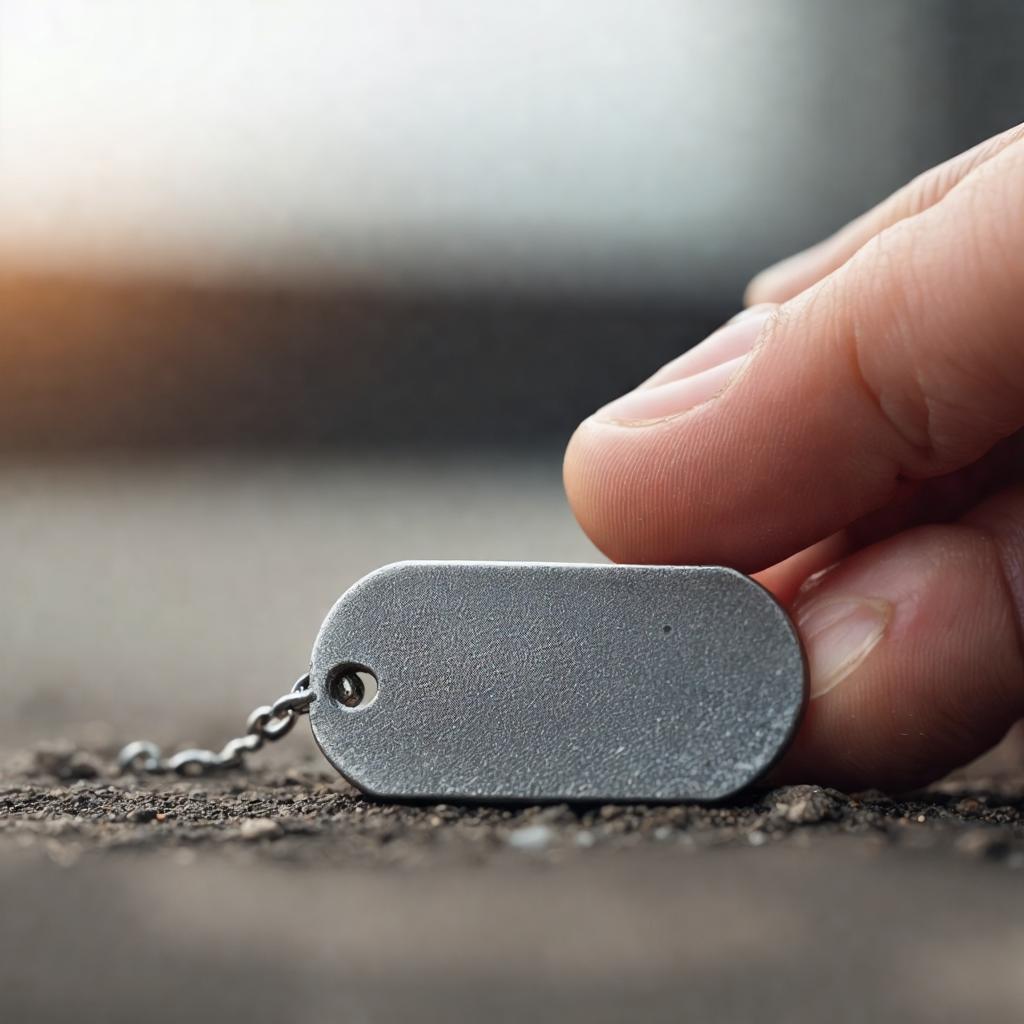
Dog tags have evolved far beyond their original military purpose to become versatile identification tools used across countless industries and personal applications. If you have ever wondered what are dog tags for, this comprehensive guide explores their diverse uses, materials, and why businesses worldwide turn to custom dog tag manufacturers for branded merchandise, promotional products, and functional identification solutions.
The Origin and Primary Purpose of Dog Tags
The term “dog tag” originated from its resemblance to the metal tags worn by dogs on their collars. In military contexts, these small metal identifiers serve the critical function of identifying soldiers in the field. Each tag typically contains essential information such as the service member’s name, blood type, religious preference, and service number. The primary military purpose answers the fundamental question of what are dog tags for: they provide rapid identification when other methods fail.
Military organizations issue two identical tags so that one remains with the body while the other accompanies records or is collected for administrative purposes. This dual-tag system ensures that identification persists even under the most challenging battlefield conditions. The standardized format and durable construction make military dog tags one of the most reliable identification systems ever developed.
Modern Civilian Applications of Dog Tags
While military use established the foundation, modern civilian applications have dramatically expanded the answer to what are dog tags for. Today, these versatile metal identifiers serve purposes across healthcare, pet care, fashion, industrial safety, and corporate branding. Understanding these applications helps businesses recognize opportunities for custom manufacturing and wholesale procurement.
Medical Alert and Emergency Identification
One of the most important civilian answers to what are dog tags for involves medical alerts. Individuals with diabetes, epilepsy, severe allergies, or other critical conditions wear medical alert dog tags to communicate vital health information during emergencies. First responders are trained to check for these identifiers, which can save lives when patients cannot communicate.
Medical alert dog tags typically feature the universal Star of Life symbol or clear engravings indicating specific conditions. Unlike traditional jewelry, the military-inspired design appeals to individuals who prefer rugged, practical accessories over conventional medical ID bracelets. Manufacturers produce these tags from hypoallergenic stainless steel to ensure skin safety during extended wear.
Pet Identification Tags
Pet owners represent a massive market segment seeking answers to what are dog tags for in veterinary and animal care contexts. Modern pet dog tags function similarly to military versions, providing identification and contact information if an animal becomes lost. Beyond basic name and phone number engravings, advanced pet tags incorporate QR codes linking to online profiles with vaccination records, dietary restrictions, and owner details.
The durability of metal dog tags makes them superior to plastic alternatives for active pets. Tags resist chewing, weather exposure, and physical impact while maintaining legible engravings throughout years of daily wear. Custom shapes, including bones, hearts, and paw prints, differentiate pet tags from military-style rectangles while preserving the functional identification purpose.
Fashion and Personal Expression
Fashion applications have transformed how we answer what are dog tags for in contemporary culture. Jewelry designers incorporate dog tags into necklaces, bracelets, keychains, and belt accessories. The industrial aesthetic appeals to streetwear enthusiasts, musicians, and individuals seeking edgy, masculine accessories.
Custom engraving elevates fashion dog tags beyond mass-produced accessories. Personalized messages, coordinates, significant dates, and artistic designs transform functional identification into meaningful keepsakes. Retailers and fashion brands source custom dog tags in bulk to create exclusive collections, limited editions, and personalized product lines that command premium pricing.
Corporate and Promotional Uses
Businesses exploring what are dog tags for in marketing contexts discover powerful promotional tools. Custom dog tags bearing company logos, slogans, and contact information serve as memorable trade show giveaways, employee recognition gifts, and customer loyalty rewards. The perceived value of metal merchandise exceeds that of plastic pens or paper products, ensuring longer brand exposure.
Event organizers use custom dog tags as VIP passes, backstage credentials, and commemorative items for concerts, festivals, and corporate retreats. The durability ensures attendees retain these items for years, providing ongoing brand impressions. Bulk manufacturing capabilities enable businesses to order thousands of units at competitive per-piece pricing.
Materials and Manufacturing Processes
Understanding what are dog tags for requires familiarity with the materials and manufacturing processes that determine quality, durability, and cost. Professional manufacturers offer diverse material options to suit specific applications and budget requirements.
Stainless Steel Options
Stainless steel remains the industry standard for high-quality dog tags. Grade 304 stainless steel offers excellent corrosion resistance, making it ideal for tags exposed to moisture, sweat, and outdoor conditions. Grade 316 stainless steel provides superior saltwater resistance for marine applications. Both grades accept laser engraving, stamping, and etching with exceptional clarity.
The natural silver finish of stainless steel suits military specifications and medical applications where non-reactive properties matter. Brushed, polished, and matte surface treatments create distinct aesthetic variations without compromising material integrity. Stainless steel tags typically measure between 0.8mm and 1.2mm thickness for optimal durability-to-weight ratios.
Aluminum and Lightweight Alloys
Aluminum dog tags answer what are dog tags for in applications prioritizing weight reduction. At roughly one-third the density of steel, aluminum tags reduce neck strain for wearers and shipping costs for bulk orders. Anodized aluminum offers vibrant color options unavailable with steel, enabling bold branding and color-coded identification systems.
While softer than steel, aircraft-grade aluminum maintains sufficient durability for most civilian applications. Color anodizing penetrates the metal surface, creating permanent coloration that resists scratching and fading better than painted alternatives. This makes anodized aluminum particularly suitable for fashion accessories and promotional items.
Brass, Copper, and Premium Metals
Premium metal crafts manufacturers produce dog tags from brass, copper, and bronze for luxury markets. These materials develop distinctive patinas over time, creating vintage aesthetics prized by collectors and fashion-forward consumers. The antimicrobial properties of copper add functional value for medical and hygienic applications.
Gold and silver plating over base metals creates upscale appearances at manageable costs. PVD (Physical Vapor Deposition) coating provides thin, durable surface layers in gold, black, rose gold, and other designer finishes. These premium options position dog tags as high-end gifts and luxury merchandise.
Customization Options for Business Buyers
B2B buyers investigating what are dog tags for in commercial contexts benefit from extensive customization capabilities. Professional manufacturers accommodate bulk orders with precise specifications for dimensions, materials, finishes, and engravings.
Engraving and Marking Technologies
Laser engraving delivers permanent, high-contrast markings suitable for detailed logos, serial numbers, and complex graphics. Fiber lasers excel on bare metals, while CO2 lasers with marking sprays handle coated surfaces. The precision of laser systems enables 300 DPI equivalent resolution for photographic imagery and intricate designs.
Rotary engraving uses physical cutters to carve recessed grooves into metal surfaces. The tactile depth creates premium appearances and superior durability for tags subjected to abrasive conditions. Rotary methods excel for traditional military-style text and basic geometric shapes.
Screen printing and pad printing add color to dog tags beyond the limitations of metal substrates. Epoxy dome coatings protect printed graphics from wear while adding dimensional depth. These processes enable full-color logos and photographic reproductions on metal tag surfaces.
Shape and Size Variations
While the classic rectangular dog tag measures approximately 50mm by 28mm, manufacturers produce countless variations. Miniature tags suit keychains and zipper pulls. Oversized designs create statement jewelry pieces. Custom die-cut shapes transform tags into brand-specific silhouettes reflecting corporate identities.
Rounded corners, beveled edges, and hole configurations accommodate different attachment methods. Ball chains, split rings, leather cords, and paracord lanyards each require specific hole sizes and placements. Professional manufacturers engineer these details to prevent stress fractures and ensure long-term reliability.
Quality Standards and Industry Certifications
When evaluating what are dog tags for in professional and medical contexts, quality certifications matter significantly. ISO 9001-certified manufacturers maintain consistent production standards across large order volumes. RoHS compliance ensures tags contain no hazardous substances restricted in European and North American markets.
Medical-grade dog tags require biocompatibility testing for prolonged skin contact. Nickel-free options prevent allergic reactions in sensitive individuals. Understanding these standards helps procurement professionals select manufacturers capable of meeting regulatory requirements for their specific industries.
- ISO 9001 certification ensures consistent quality management systems
- RoHS compliance guarantees absence of hazardous substances in European markets
- REACH regulations govern chemical safety for imported goods
- Biocompatibility testing confirms skin safety for medical and prolonged wear
- Nickel-free materials prevent allergic reactions in sensitive users
- Mil-Spec standards govern authentic military identification tags
Bulk Ordering and Wholesale Manufacturing
Businesses answering what are dog tags for in their product strategies require manufacturing partners capable of scalable production. Minimum order quantities typically start at 100-500 units for custom designs, with per-unit costs decreasing significantly at volumes above 1,000 pieces.
Turnaround times vary from 2-4 weeks for standard orders to 6-8 weeks for complex custom tooling. Rush production options accommodate tight deadlines for event-specific and seasonal merchandise. International shipping logistics, customs documentation, and import duties factor into total procurement costs for overseas manufacturing.
Conclusion
The question what are dog tags for encompasses far more than military identification in today’s diverse market. From life-saving medical alerts to fashionable personal expression and powerful corporate branding, dog tags serve essential functions across healthcare, pet care, fashion, and promotional industries. The durability, customization potential, and perceived value of metal dog tags make them superior choices for businesses seeking quality identification products and memorable merchandise.
Whether you require standard military-style tags, medical alert identifiers, pet tags, fashion accessories, or branded promotional items, partnering with an experienced metal crafts manufacturer ensures consistent quality and competitive pricing. Material selection, engraving precision, and finishing expertise separate professional manufacturers from amateur suppliers.
Contact Metal Crafts Pro today to discuss your custom dog tag requirements, review material samples, and receive a detailed quotation for your bulk order. Our engineering team will optimize your designs for manufacturing efficiency while maintaining the aesthetic and functional standards your customers expect. Request a Free Quote

