does military still use dog tags
I remember watching my grandfather polish his dog tags every Sunday before church. But do modern military personnel still wear them? Let’s explore the importance and relevance of dog tags in today’s armed forces.
Today, I learned a valuable lesson in pet ownership – how to put on a dog tag on a collar. It may seem like a simple task, but getting it right ensures your furry friend stays safe and identifiable at all times. Let me share my newfound knowledge with you.
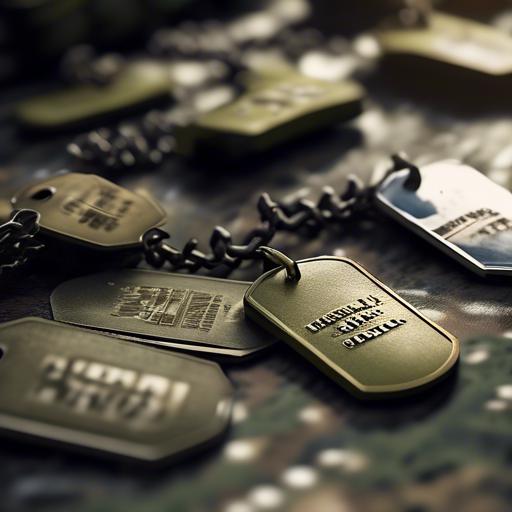
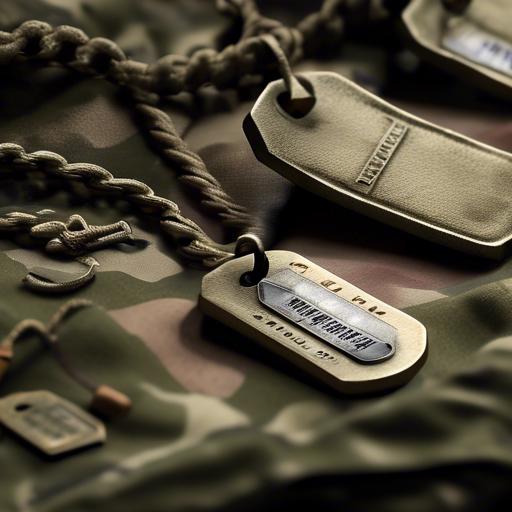
Military dog tags hold key identification info for soldiers. From name and blood type to religion and social security number, they are essential for personnel to carry in case of emergencies on the battlefield.
When it comes to what to put on military dog tags, every detail matters. From your name and blood type to religious preference, ensure all vital info is included to keep you safe in the line of duty.
As I held my father’s military dog tags in my hands, I wondered what exactly was stamped on them. These small metal discs, worn by servicemen and women around the world, hold crucial information such as name, blood type, and religious preference. They are a symbol of bravery and sacrifice – a reminder of those who have served our country with honor.
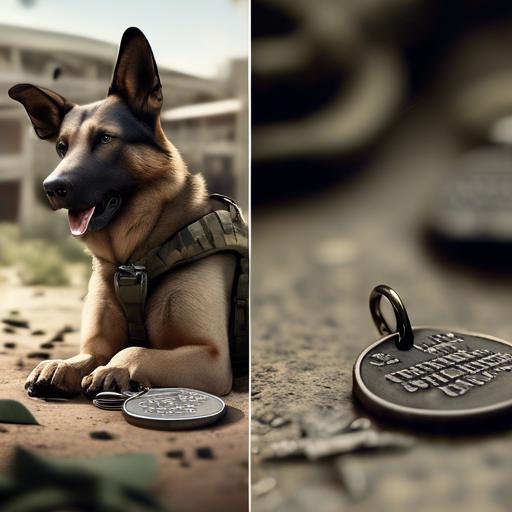
Adding a tag to your dog’s collar may seem like a simple task, but it is essential for their safety. Follow these easy steps to securely attach a tag to your furry friend’s collar and ensure they can be identified if they ever get lost.
As a dog owner, I’ve always been curious about what a skin tag looks like on my furry friend. It turns out that they are small, soft growths that can vary in color and shape. my dog had one on his neck that looked like a tiny, pink bump.
As a medical professional, wearing your staff pin with pride is a symbol of your dedication to patient care. Follow these guidelines to ensure you are representing your profession with professionalism and respect.