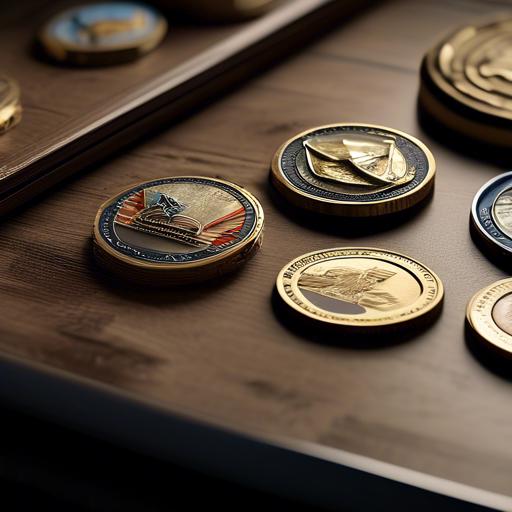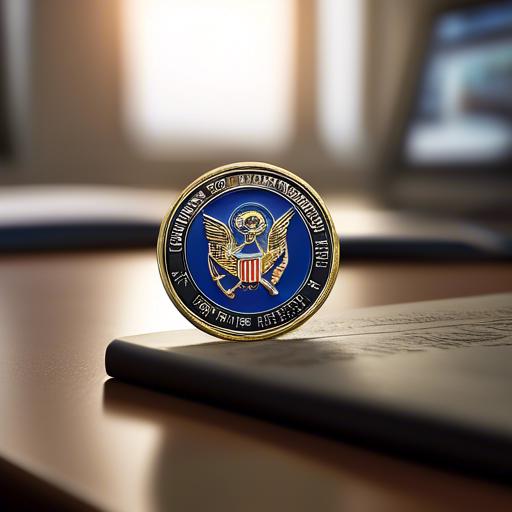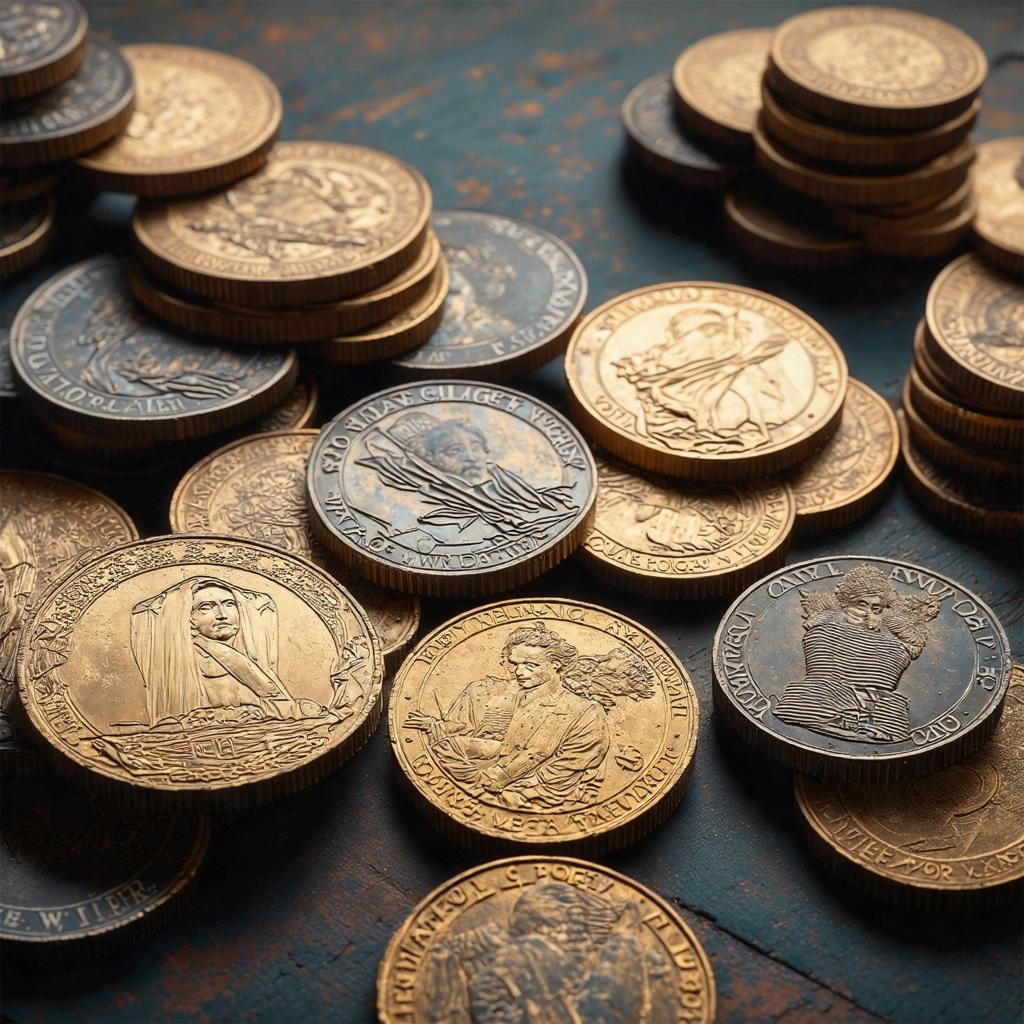
Challenge coin collecting has grown from a niche military tradition into a vibrant global hobby embraced by veterans, history enthusiasts, corporate professionals, and casual collectors alike. Whether you are starting your first challenge coin collection or expanding an existing assembly of hundreds, understanding how to source, evaluate, display, and preserve these metal treasures will dramatically improve your collecting experience. For organizations, building a challenge coin collection program creates meaningful engagement opportunities and lasting brand connections.
Why Challenge Coin Collecting Continues to Grow
The appeal of challenge coin collecting lies in the stories each coin tells. A coin from a specific military deployment, a presidential administration, a police precinct, or a corporate milestone represents a tangible piece of history. Unlike paper memorabilia, challenge coins are durable, portable, and visually striking. They invite conversation, reward close inspection, and hold emotional value that transcends their material cost.
For organizations, challenge coins have become essential tools for recognition and marketing. Companies commission coins for product launches, employee anniversaries, and trade show distribution. Nonprofits create commemorative editions for fundraising campaigns. This organizational demand has fueled a robust manufacturing ecosystem that makes custom coins accessible to collectors at every level.
How to Start a Challenge Coin Collection
Starting a collection does not require deep pockets or insider connections. A methodical approach yields better results than random accumulation. Follow these foundational steps to build a collection you will be proud to display.
Define Your Collecting Focus
Successful collections usually have a theme. Some collectors focus on military branches. Others collect coins from specific time periods, geographic regions, or manufacturing techniques. Defining your focus early prevents aimless spending and helps you recognize valuable additions when they appear.
Research Before You Buy
Knowledge separates savvy collectors from impulse buyers. Study the history of challenge coins, learn to identify manufacturing methods, and familiarize yourself with reputable sources. Online forums, military memorabilia shows, and museum exhibits offer excellent educational opportunities.
Establish Relationships with Manufacturers
Working directly with a custom challenge coin manufacturer like Metal Crafts Pro gives you access to factory pricing, exclusive designs, and the ability to commission coins that fill gaps in your collection. Manufacturers often produce limited runs for specific clients, creating rarity that enhances collectible value.
Sourcing Challenge Coins for Your Collection
Coins enter the market through several channels, each with distinct advantages and risks.
- Direct from Manufacturers: Best for new custom designs and bulk orders. Factory-direct sourcing ensures authenticity and allows customization.
- Military Exchanges and Gift Shops: Official sources for branch-specific and commemorative coins. Prices are often higher but authenticity is guaranteed.
- Collector Shows and Conventions: Opportunity to examine coins in person and negotiate pricing. Risk of counterfeits requires careful evaluation.
- Online Marketplaces: Vast selection and competitive pricing. Buyer protection policies help, but detailed photos and seller ratings are essential.
- Peer Trading: The traditional heart of challenge coin culture. Trading with fellow collectors builds community and can yield rare acquisitions unavailable commercially.
Evaluating Coin Quality and Authenticity
Not all challenge coins are created equal. Understanding quality markers protects your investment and ensures your collection maintains its integrity.
- Material Weight: Quality coins feel substantial. Lightweight coins often indicate zinc alloy or aluminum construction without adequate thickness.
- Edge Quality: Clean, consistent edges indicate professional die striking. Rough or irregular edges suggest inferior casting or cutting.
- Enamel Finish: Soft enamel should sit slightly recessed with sharp metal separation lines. Hard enamel should be perfectly flat and polished smooth.
- Plating Consistency: Uniform color without blotching or thin spots indicates proper electroplating.
- Design Detail: Fine lines, small text, and intricate patterns separate premium coins from budget alternatives.
Displaying and Preserving Your Collection
Proper display protects your coins while allowing you to enjoy them daily. Avoid prolonged exposure to direct sunlight, which fades enamel colors. Maintain stable humidity to prevent oxidation of copper and brass elements. Handle coins by their edges to preserve plating and avoid fingerprints.
Display cases with UV-protective glass, acrylic stands with soft liners, and archival albums with inert plastic pockets all provide excellent protection. For valuable collections, consider desiccant packs and periodic inspection for environmental damage.
Building an Organizational Challenge Coin Program
For companies, military units, and nonprofits, challenge coin collections serve as institutional memory. Documenting the story behind each coin, the occasion of its issuance, and the individuals involved transforms a display case into a historical archive. Metal Crafts Pro helps organizations design annual coin editions that create collectible continuity year after year.
Whether you are a individual collector seeking rare acquisitions or an organization building a commemorative program, Metal Crafts Pro offers the manufacturing expertise and sourcing flexibility you need. Contact us today for a free consultation, bulk pricing, and digital proofs for your next custom challenge coin project.