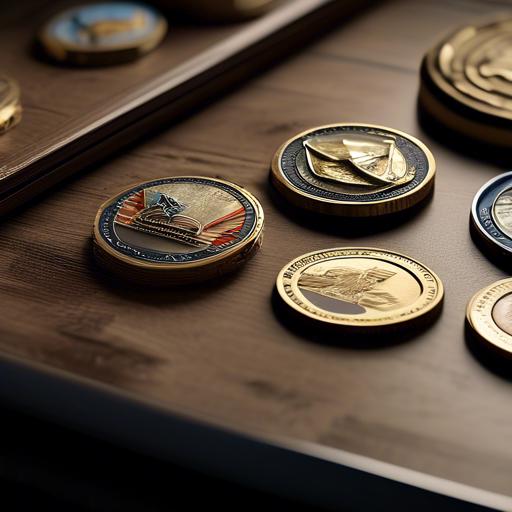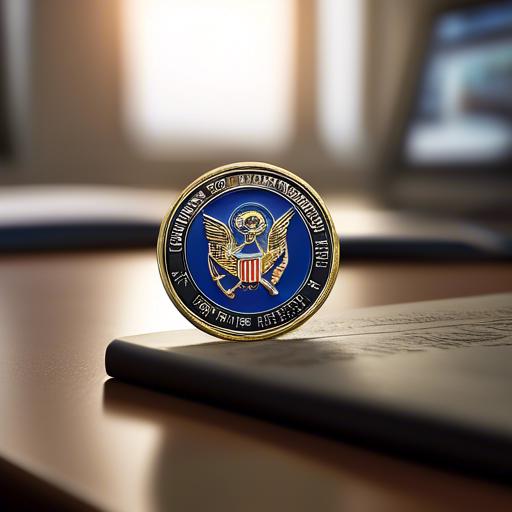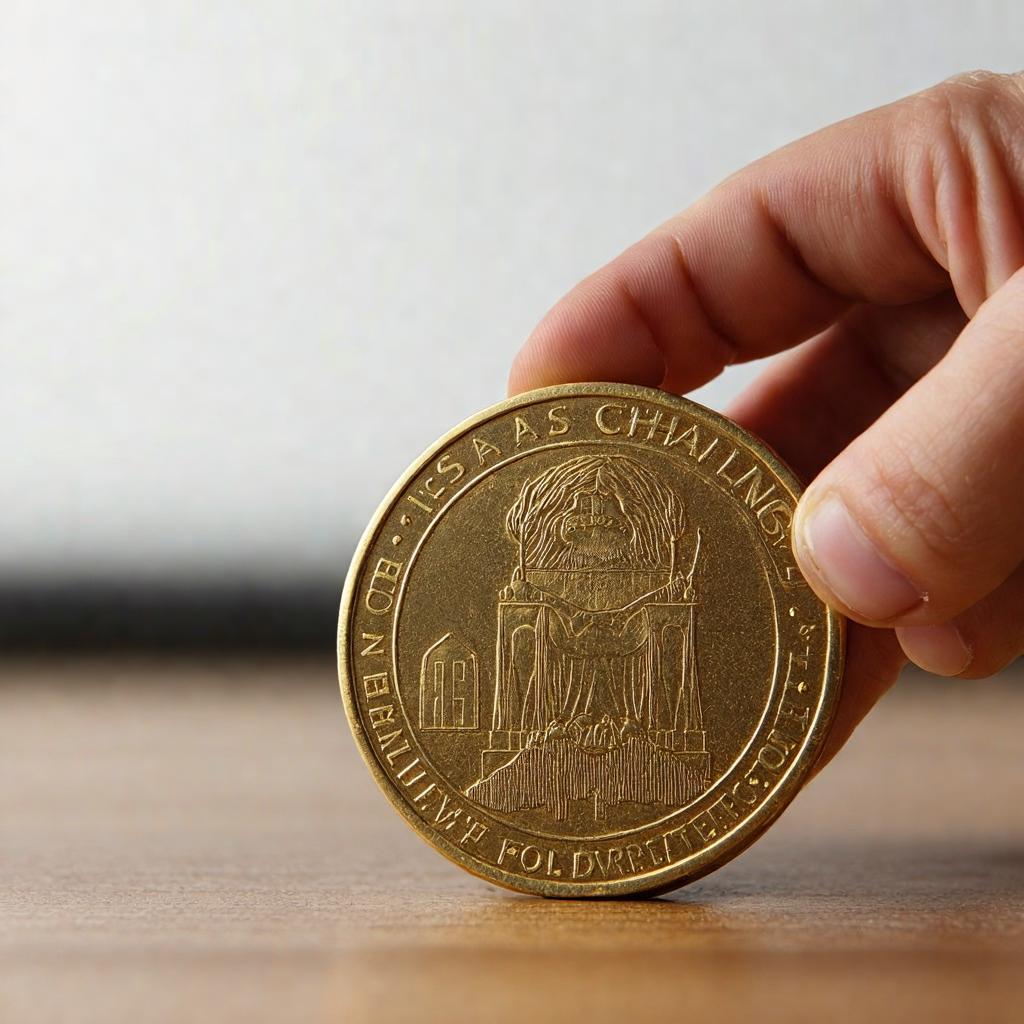
Challenge coins occupy a unique position in the collectibles market. To the general public, they may appear to be simple metal souvenirs. To the recipients who earned them, they are priceless symbols of service, sacrifice, and camaraderie. For organizations considering a bulk order, understanding both the sentimental value and the actual manufacturing cost is essential for budgeting and procurement.
At Metal Crafts Pro, we help military units, law enforcement agencies, corporations, and nonprofits navigate challenge coin value and custom bulk manufacturing costs every day. This 2026 guide examines the factors that determine collectible worth, typical manufacturing price ranges, and strategies for maximizing return on investment when ordering custom coins.
Factors That Determine Challenge Coin Value
The monetary value of a challenge coin can range from a few dollars to several thousand dollars depending on a combination of tangible and intangible factors. Collectors and appraisers evaluate the following criteria:
- Rarity and Mintage: Coins produced in limited quantities, especially those numbered or serialized, command higher prices. A coin minted for a single special operations mission with only fifty pieces in existence will outperform a general-issue training coin produced in ten thousand units.
- Material Composition: Coins struck from precious metals such as solid silver, gold-plated brass, or copper carry intrinsic metal value in addition to collectible premiums. Standard zinc alloy coins derive value primarily from historical significance rather than material worth.
- Historical Provenance: Coins presented by high-ranking officials, carried by notable veterans, or associated with famous battles or missions carry documented provenance that dramatically increases desirability. Photographs, certificates, and personal accounts authenticate these stories.
- Design Complexity: Intricate multi-level 3D sculpting, translucent enamels, dual plating, and functional elements such as spinners or bottle openers increase both manufacturing cost and collector interest.
- Condition: As with all collectibles, mint-condition coins with original packaging fetch higher prices than heavily handled or tarnished specimens.
- Unit Prestige: Coins from elite units such as Navy SEALs, Delta Force, or presidential details attract intense collector interest regardless of age or condition.
Typical Market Values by Category
While individual sales can vary widely, the following ranges provide useful benchmarks for understanding challenge coin value in today’s market:
- Standard Modern Military Coins: $10 to $50 depending on unit rarity and condition.
- Law Enforcement Agency Coins: $15 to $75, with higher values for large metropolitan departments or federal agencies.
- Corporate and Promotional Coins: $5 to $30, typically lower because of higher production volumes and lower scarcity.
- Limited Edition or Serialized Coins: $100 to $500 depending on subject matter and total mintage.
- Vintage or Historically Significant Coins: $500 to $5,000 or more for coins with verified combat provenance or presidential presentation history.
Custom Bulk Manufacturing Costs in 2026
For organizations ordering new custom challenge coins, manufacturing costs depend on design specifications, order volume, and finishing options. At Metal Crafts Pro, we offer transparent pricing structures that reward bulk purchasing while maintaining premium quality standards.
Base Factors Affecting Unit Price:
- Die and Mold Fees: One-time tooling costs typically range from $100 to $300 per design depending on complexity and coin shape.
- Material Selection: Zinc alloy offers the most affordable base metal. Brass and copper command modest premiums. Solid silver or gold options are priced according to current precious metal markets.
- Size and Thickness: Standard 1.75-inch diameter and 3mm thickness represent the economical baseline. Larger diameters and thicker profiles increase material usage and weight.
- Plating: Polished gold or nickel plating is standard. Antique finishes, dual plating, and black nickel add incremental costs per unit.
- Enamel Type: Soft enamel is economical and offers textured color. Hard enamel provides a jewelry-grade smooth surface at a higher price point.
- Add-On Features: 3D sculpting, cutouts, sequential numbering, edge text, and functional elements such as bottle openers each contribute to final pricing.
Volume Pricing Tiers:
Typical per-unit costs decrease significantly as order quantities increase. Small orders of fifty to one hundred coins may cost $8 to $12 per unit for standard designs. Mid-volume orders of three hundred to five hundred coins often fall to $4 to $6 per unit. Large bulk orders exceeding one thousand units can achieve $2.50 to $4 per unit depending on specifications.
Maximizing ROI on Challenge Coin Investments
Whether you are a collector preserving history or an organization sourcing recognition awards, several strategies maximize the value of every dollar spent.
- Consolidate Designs: Ordering multiple designs simultaneously can amortize setup costs across a larger total volume.
- Standardize Sizes: Sticking with popular sizes such as 1.75 or 2 inches avoids custom die premiums.
- Request Pre-Production Samples: Physical samples prevent costly rework by confirming colors, weights, and details before full production.
- Plan Ahead: Rush orders incur expediting fees. Standard four-week timelines offer the best pricing.
Understanding Depreciation and Appreciation in Challenge Coin Markets
Unlike traditional investments, challenge coins do not follow predictable appreciation curves. Most modern coins depreciate immediately after purchase because they lack scarcity. However, certain categories appreciate over time. Coins from disbanded units, coins commemorating historically significant events, and coins carried by recipients who later achieved fame or notoriety often outperform generic issues.
For organizations, the return on investment should be measured in morale, retention, and brand loyalty rather than resale value. A challenge coin presented to an employee on their fifth anniversary may cost five dollars to manufacture but generate thousands of dollars in retained institutional knowledge and reduced turnover costs.
Insurance and Appraisal Considerations
Serious collectors should consider insuring their challenge coin collections, particularly if they own rare or historically significant pieces. Standard homeowner’s insurance policies often limit coverage for collectibles or require separate riders. Document your collection with high-resolution photographs, provenance records, and professional appraisals from numismatic experts familiar with military memorabilia.
For organizations, challenge coins represent intangible assets tied to morale and culture rather than balance sheet values. However, maintaining an inventory of issued coins helps track spending, prevents loss, and supports budgeting for future recognition programs.
The Future of Challenge Coin Collecting
The challenge coin market continues to evolve. Online marketplaces have democratized access, allowing collectors worldwide to trade previously obscure unit coins. Social media groups dedicated to challenge coin photography and discussion have created vibrant communities. Meanwhile, advances in manufacturing technology enable increasingly complex designs at lower costs.
Looking ahead, we anticipate growing demand for eco-friendly materials, smart coins with embedded NFC chips linking to digital content, and augmented reality experiences triggered by coin designs. Manufacturers who adapt to these trends will capture the next generation of collectors and institutional buyers.
Building a Challenge Coin Collection on a Budget
Aspiring collectors need not spend thousands of dollars to build meaningful collections. Start by focusing on a specific theme such as your hometown police department, a particular military branch, or coins commemorating natural disasters. Attend veterans’ events, police open houses, and military reunions where coins are often exchanged freely or sold at modest prices.
Online auction sites and specialized Facebook groups offer additional acquisition channels. Exercise caution when purchasing rare coins online. Request detailed photographs, provenance documentation, and seller references before committing to high-value transactions. Counterfeit challenge coins have become increasingly sophisticated, making expert verification essential for expensive purchases.
Joining collector organizations such as the Challenge Coin Association provides access to educational resources, authentication services, and networking opportunities with experienced numismatists.
Challenge Coins as Alternative Investments
While most challenge coins will never appreciate significantly, a small segment functions as legitimate alternative investments. Coins with verified presidential signatures, combat provenance from famous battles, or extremely low mintage numbers from disbanded elite units occasionally appear at specialty auctions. Savvy collectors research historical records, consult with military historians, and network within veteran communities to identify undervalued pieces before they reach mainstream markets.
However, speculative buying carries risks. Forgery techniques have improved dramatically, and unscrupulous sellers frequently misrepresent modern reproductions as vintage originals. Authentication by recognized experts remains essential before committing significant capital.
Gift Etiquette and Presentation Customs
Whether giving a single challenge coin or distributing hundreds at a ceremony, presentation etiquette matters. The traditional handshake pass, where the coin slides from palm to palm during a firm handshake, remains the gold standard for personal presentations. For group distributions, calling individuals forward by name and presenting coins individually conveys far more respect than handing them out in envelopes or leaving them on tables.
Organizations should also consider accompanying each coin with a brief certificate or card explaining its significance. This documentation helps recipients understand the coin’s meaning and preserves the story for future generations who may inherit the medallion.
Conclusion
How much is a challenge coin worth? The answer depends on whether you are measuring sentimental pride, historical significance, or manufacturing economics. For collectors, rare and provenanced coins can command impressive prices. For organizations, modern bulk manufacturing makes it possible to procure heirloom-quality recognition awards at remarkably affordable per-unit costs.
Looking for transparent pricing on custom challenge coin manufacturing? Contact Metal Crafts Pro today for a detailed quote tailored to your design, quantity, and delivery requirements. We specialize in bulk production of challenge coins, medals, lapel pins, keychains, dog tags, bottle openers, and fridge magnets, combining traditional craftsmanship with modern efficiency.