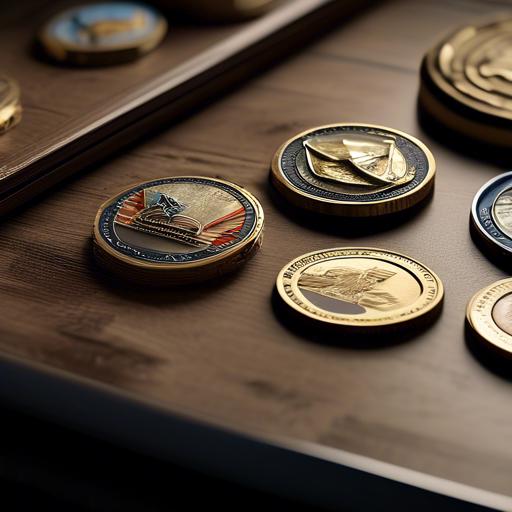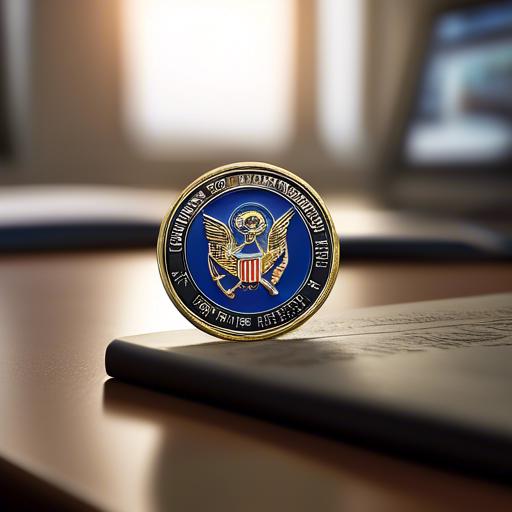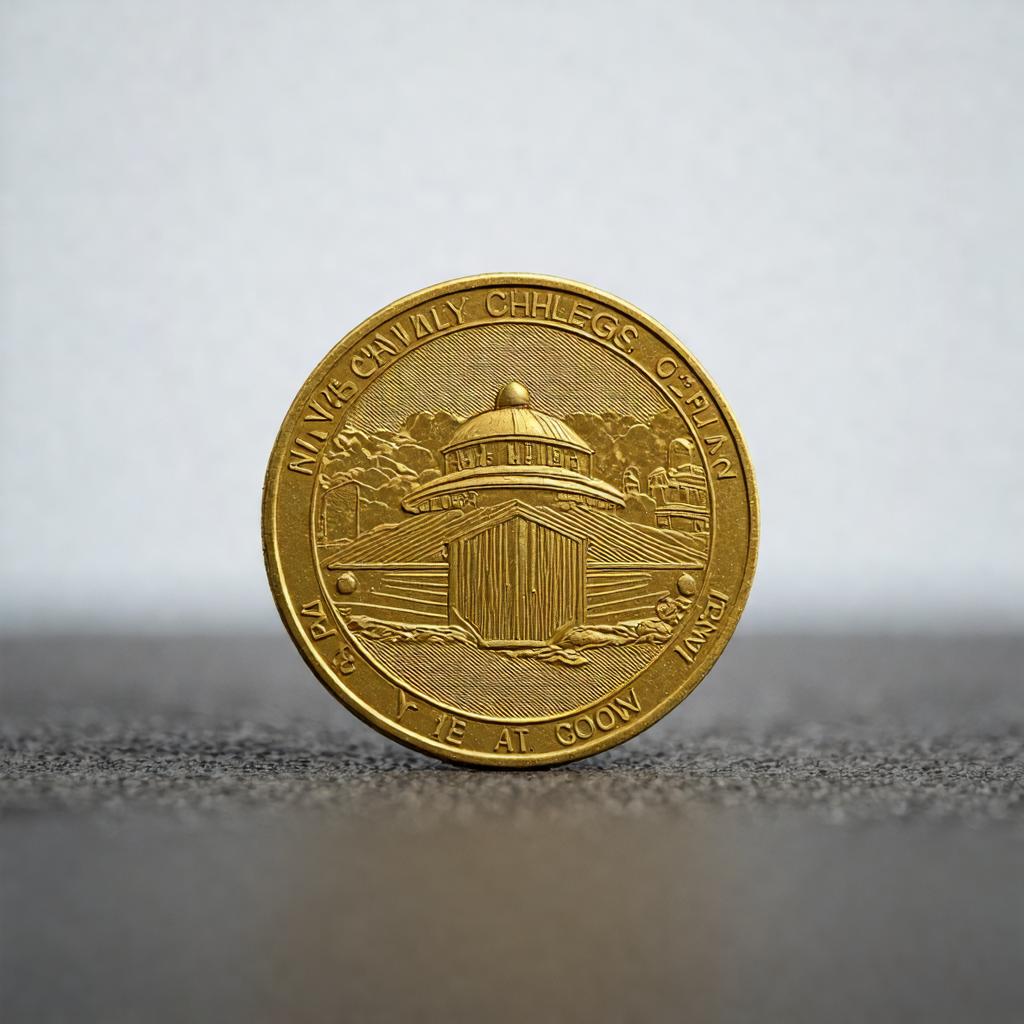
Challenge coins come in many shapes and sizes, yet the question how big is a challenge coin remains one of the most common inquiries we receive at Metal Crafts Pro. Size directly impacts portability, visual presence, design detail, manufacturing cost, and the overall impression the coin makes on its recipient. Whether you are ordering coins for a military unit, police department, corporate team, or nonprofit fundraiser, selecting the optimal diameter and thickness ensures your custom challenge coins fulfill their intended purpose.
In this 2026 manufacturing guide, we break down standard challenge coin dimensions, compare popular sizes across industries, explain how size affects design complexity, and provide expert recommendations for choosing the right specifications for your custom bulk manufacturing order.
Standard Challenge Coin Dimensions
While challenge coins can technically be manufactured in almost any size, the industry has settled on several standard diameters that balance cost, detail, and practicality. Understanding these norms helps organizations specify coins that feel appropriate rather than awkward.
- 1.5 Inches: The smallest common size, ideal for pocket carry and discreet display. Best suited for simple designs with minimal text and limited color fills. Popular among corporate clients who prefer understated recognition gifts.
- 1.75 Inches: The most widely produced size and the de facto industry standard. Offers sufficient surface area for detailed logos, several lines of text, and multiple enamel colors. Easy to carry in a pocket without creating bulk.
- 2 Inches: Considered the premium standard for ceremonial presentations and retirement gifts. The larger canvas accommodates intricate 3D sculpting, cut-out shapes, and spinner mechanisms. Visible and impressive when displayed in cases or shadow boxes.
- 2.25 to 2.5 Inches: Commanding sizes reserved for major anniversaries, command-level coins, and commemorative editions. These diameters make a bold statement but may feel cumbersome for everyday carry.
- 3 Inches and Above: Typically classified as medallions rather than standard challenge coins. Used for desk displays, plaque centerpieces, or presentation pieces rather than pocket tokens.
Thickness also matters. Standard thickness ranges from 2.5mm to 3mm for most sizes. Premium or heavy coins may increase to 4mm or 5mm, adding satisfying weight that signals quality.
How Size Affects Design and Manufacturing
Coin size constrains and enables design decisions in ways that non-designers may not anticipate. At Metal Crafts Pro, our design team guides clients through these trade-offs during the consultation phase.
Detail Resolution: Extremely fine lines, small text, and intricate patterns require adequate surface area to remain legible after manufacturing. A 1.5-inch coin cannot accommodate the same level of micro-detail as a 2.5-inch coin. If your design includes a detailed aircraft, vehicle, or facial portrait, larger diameters preserve clarity.
Text Legibility: Minimum recommended text height for challenge coins is approximately 1mm after accounting for metal flow during stamping. On a 1.5-inch coin, this limit restricts you to a few short words. A 2-inch coin comfortably accommodates several lines of text, dates, and serial numbers.
Color Fills: Enamel colors require recessed metal areas bordered by raised metal walls. Very small coins limit the number of separate color regions because each color needs adequate separation distance to prevent bleeding during production.
3D Sculpting: High-relief three-dimensional designs benefit significantly from larger diameters. The additional surface area allows sculptors to create realistic depth without making the coin uncomfortably thick.
Manufacturing Cost: Larger coins consume more raw metal and require higher stamping pressures. However, material cost represents a relatively small portion of total manufacturing expense. Die creation and labor constitute the majority of costs, meaning that upgrading from 1.75 inches to 2 inches may increase unit price by only ten to fifteen percent.
Industry-Specific Size Preferences
Different sectors have developed informal size conventions based on how recipients use their coins.
- Military Units: Active-duty soldiers overwhelmingly prefer 1.75-inch coins for everyday carry. Commanders and sergeants major may commission 2-inch or 2.25-inch presentation coins for formal ceremonies.
- Law Enforcement: Police departments frequently choose 1.75-inch or 2-inch sizes. K9 units and SWAT teams sometimes opt for shaped coins that break the circular mold while maintaining similar overall dimensions.
- Corporate Recognition: Businesses favor 1.5-inch to 1.75-inch coins that recipients can easily carry in wallets or display discreetly on desks. Executives may receive larger 2-inch anniversary editions.
- Nonprofit Fundraising: Fundraising coins aimed at collectors often use 2-inch or 2.25-inch sizes because donors perceive larger coins as more valuable and display-worthy.
- Sports Teams: Championship and commemorative sports coins trend toward 2 inches or larger, often featuring shaped outlines such as footballs, hockey pucks, or team logos.
Choosing the Right Size for Your Custom Order
Selecting challenge coin size requires honest answers to three questions. First, will recipients carry the coin daily or display it occasionally? Pocket coins should prioritize comfort, while display coins can maximize visual impact. Second, how complex is your design? Intricate artwork demands larger canvases. Third, what is your budget per unit? While size upgrades are modestly priced, every dollar matters for high-volume orders.
At Metal Crafts Pro, we recommend that first-time clients order pre-production samples in multiple sizes before committing to full production. Holding a physical sample reveals proportions, weight, and detail clarity in ways that digital renderings cannot replicate.
Thickness, Weight, and Perceived Value
Beyond diameter, thickness dramatically affects how a challenge coin feels in the hand. Thin, lightweight coins can feel insubstantial and cheap regardless of plating quality. Increasing thickness from 2.5mm to 4mm adds only marginal material cost but transforms the recipient’s tactile impression. Heavy coins subconsciously signal quality, permanence, and respect.
For bulk orders, we recommend standard 3mm thickness as the baseline. Upgrade to 4mm for command-level, retirement, or anniversary coins where perceived value matters most. Coins exceeding 5mm may require custom dies and longer production times but create unforgettable presentation moments.
Weight Perception and Psychological Impact
Research in consumer psychology suggests that heavier objects are perceived as more valuable, trustworthy, and prestigious. This principle directly applies to challenge coins. A lightweight coin may trigger subconscious associations with cheapness or disposability, undermining the very recognition the coin is meant to convey.
At Metal Crafts Pro, we engineer our coins to achieve optimal weight-to-size ratios. Through careful material selection and thickness calibration, we ensure that every coin feels substantial in the palm without becoming uncomfortably heavy for pocket carry.
International Standards and Metric Equivalents
While the challenge coin industry predominantly uses imperial measurements, international clients often require metric specifications. The standard 1.75-inch diameter equals approximately 44.45 millimeters. A 2-inch coin measures 50.8 millimeters. Standard 3mm thickness translates to roughly 0.12 inches.
When working with overseas manufacturing partners or multinational organizations, providing both measurement systems prevents costly misunderstandings. Our design team routinely produces technical drawings with dual-unit annotations for global clients.
Die Size, Tooling Costs, and Dimensional Economics
Challenge coin manufacturers machine steel dies for each unique design. Larger dies require more raw steel, longer machining times, and higher costs. A 2.5-inch die may cost fifty percent more to produce than a 1.75-inch die. However, because die creation is a fixed cost, the per-unit impact diminishes as order quantities increase.
For organizations placing large bulk orders, the incremental die cost of a larger size becomes negligible. Conversely, small orders of fifty to one hundred coins absorb die costs across fewer units, making size upgrades proportionally more expensive. Understanding this dynamic helps procurement officers make informed trade-offs between visual impact and budget constraints.
Custom Shapes Beyond the Circle
While circular coins dominate the market, custom shapes offer powerful differentiation. Shields, stars, dog tags, and state outlines break visual monotony and reinforce organizational identity. However, shaped coins require custom contour dies that increase tooling costs. The manufacturing process also generates more metal waste, slightly raising material expenses.
Despite these added costs, many organizations find that shaped coins deliver superior recipient satisfaction and social media sharing. A uniquely shaped coin becomes instantly recognizable and photographically memorable, extending brand exposure far beyond the initial presentation.
Prototyping and Sampling Best Practices
Before committing to full production, wise buyers always request physical prototypes. Digital renderings cannot convey weight, texture, or color accuracy under natural lighting. A prototype reveals whether text remains legible, whether colors match brand guidelines, and whether the coin feels appropriate for its intended purpose.
At Metal Crafts Pro, we encourage clients to order prototypes in multiple sizes simultaneously. Comparing a 1.75-inch sample against a 2-inch sample side by side eliminates guesswork and ensures confident final decisions.
Size and Shipping Considerations
Larger and heavier coins increase shipping costs, particularly for international orders. A thousand 2.5-inch coins weigh significantly more than a thousand 1.75-inch coins, affecting freight calculations. Organizations with tight shipping budgets should factor weight into their size decisions. At Metal Crafts Pro, we provide detailed weight estimates during the quotation phase, enabling accurate logistics planning.
Additionally, oversized coins may require custom packaging that does not fit standard envelope sizes. These packaging upgrades add incremental costs that buyers sometimes overlook during initial budgeting.
Conclusion
How big is a challenge coin? The answer depends on purpose, design complexity, and recipient expectations. From pocket-friendly 1.5-inch tokens to commanding 2.5-inch commemorative medallions, every size offers distinct advantages for specific applications. Understanding these trade-offs empowers organizations to place custom bulk manufacturing orders that deliver maximum satisfaction.
Need help selecting the perfect size for your custom challenge coins? Contact Metal Crafts Pro today for a free design consultation and bulk manufacturing quote. We produce challenge coins, medals, lapel pins, keychains, dog tags, bottle openers, and fridge magnets in a full range of sizes and finishes, tailored precisely to your vision and budget.