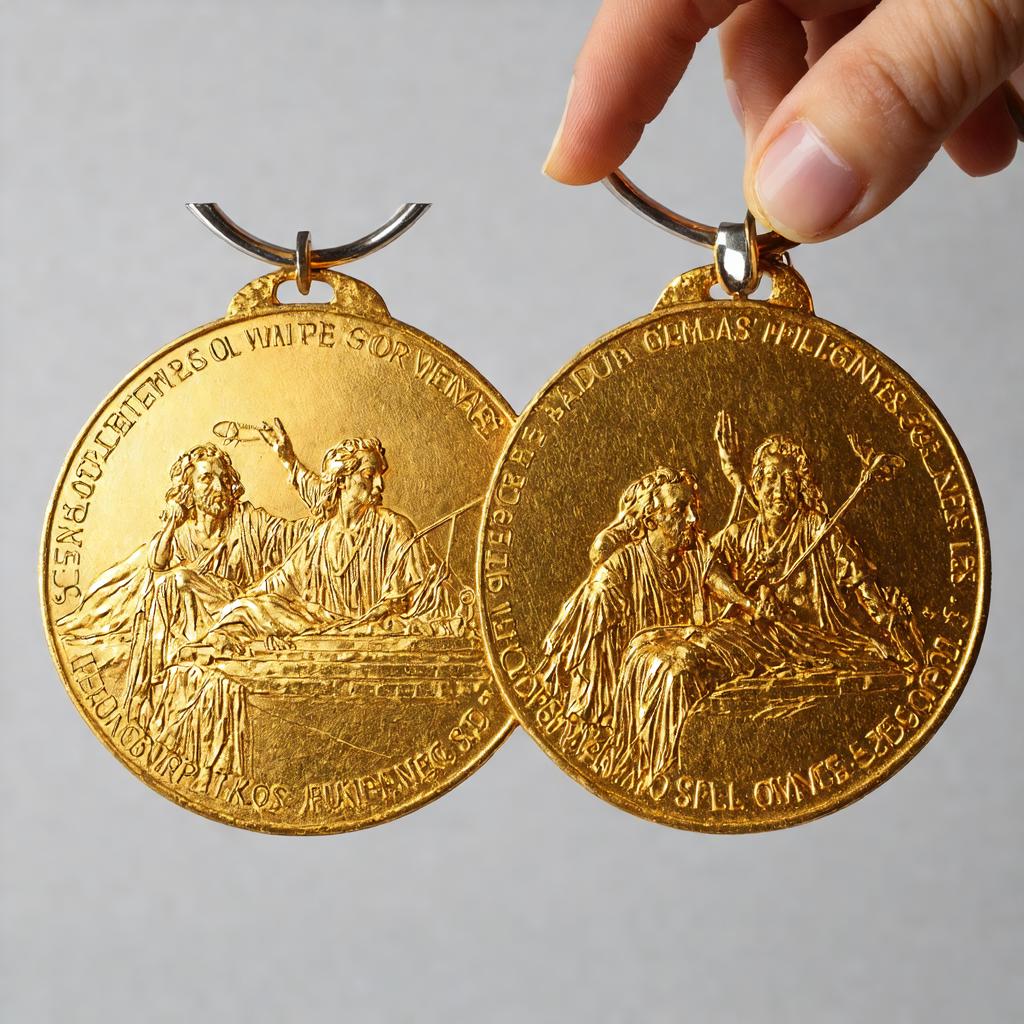
Hey everyone,have you ever wondered if those shiny Olympic gold medals are actually made of solid gold? Well,we’ve got the answer for you. Get ready to dive into the world of Olympic bling and find out the truth behind the coveted gold medals.
Are Olympic Gold Medals Really Solid Gold?
many people believe that Olympic gold medals are solid gold, but in reality, they are not. In fact, Olympic gold medals are mostly made of silver, with a thin layer of gold plating. The International olympic Committee (IOC) sets the standards for the composition of Olympic medals, requiring that gold medals contain a minimum of 6 grams of gold.
So, while Olympic gold medals may not be entirely solid gold, they still hold important monetary and sentimental value. The silver base of the medal ensures durability and strength, while the gold plating adds a touch of prestige. At the end of the day, whether it’s solid gold or not, winning an olympic gold medal is still a remarkable achievement that symbolizes hard work, dedication, and excellence in sports.
The Truth Behind Olympic Gold Medals Composition
So, are olympic gold medals really made of solid gold? The answer might surprise you. While gold medals from the early 20th century were indeed made of solid gold, today’s olympic gold medals are actually mostly composed of silver!
The gold medals awarded at the Olympics are required to contain a minimum of 6 grams of gold on top of the silver base. These medals are then plated with approximately 6 grams of pure gold. So, while they may not be entirely solid gold, olympic gold medals still hold significant value and prestige due to their symbolic representation of victory and achievement.
Exploring the Value of Olympic Gold Medals
Have you ever wondered if Olympic gold medals are actually made of solid gold? The truth might surprise you! In fact, olympic gold medals are not made entirely of gold. While they do contain some gold in their composition, most of the medal is actually made of silver. the gold medals for the Olympics are required to be at least 92.5% silver, with a thin coating of pure gold on top.
So why are they called gold medals if they’re mostly silver? Well, it’s all about the symbolism. The gold coating represents the highest achievement in the Olympic games, while the silver underneath symbolizes the runner-up.This tradition dates back to the first modern Olympics in 1896, and has been carried on ever as. Despite not being solid gold, Olympic gold medals are still highly coveted and hold a significant amount of value, both monetarily and symbolically.
Are Gold-Plated Medals a Better Alternative?
When it comes to olympic gold medals, many people assume they are made entirely of gold. Though, this is not the case. In fact,Olympic gold medals are required to contain a minimum of 6 grams of gold,resulting in them being mostly composed of silver. The gold plating on the medals is purely symbolic, with the majority of the medal being made up of other metals.
Some may argue that gold-plated medals are a better alternative due to the high cost of solid gold and the practicality of using more affordable materials. Additionally, gold-plated medals can still hold significant sentimental value and prestige, even if they are not made entirely of gold. Ultimately, whether a gold-plated medal is a better alternative depends on individual preferences and the meaning placed on the material of the medal itself.
Q&A
Q: Are Olympic gold medals actually made of solid gold?
A: Contrary to popular belief, Olympic gold medals are not pure gold.They are actually mostly made of silver, with a thin coating of gold.
Q: Why are Olympic gold medals not pure gold?
A: There are a few reasons for this.One is that pure gold is extremely soft and malleable, making it too delicate for a medal that will be handled and worn. Additionally, using pure gold for every medal would be prohibitively expensive.
Q: How much gold is actually in an Olympic gold medal?
A: The amount of gold can vary slightly depending on the year and the host country, but typically Olympic gold medals are required to contain at least 6 grams of gold.
Q: What is the process for making Olympic gold medals?
A: the process typically involves creating a core out of silver and then electroplating it with gold. The process can differ slightly depending on the host country and manufacturer.
Q: Why is the silver core of the medal still significant?
A: the silver core of the medal is still significant as it represents the values of the Olympic Games,including unity and friendship among nations. Plus, silver is a valuable and precious metal in its own right.
Q: Are there any Olympic gold medals that are actually made of solid gold?
A: In the early days of the modern Olympic games, some gold medals were made of solid gold.Though, due to the cost and impracticality of using pure gold, this practice was discontinued.
Future Outlook
while olympic gold medals may not be entirely made of solid gold, they still hold immense value and significance for the athletes who earn them. Whether they are made of a gold-plated alloy or a mixture of metals, these medals represent the pinnacle of achievement in the world of sports. So,next time you see an athlete proudly wearing their gold medal,remember that it may not be solid gold,but it symbolizes their hard work,dedication,and extraordinary talent. Thanks for tuning in to this myth-busting report on Olympic gold medals. Stay informed and keep cheering on your favorite athletes!