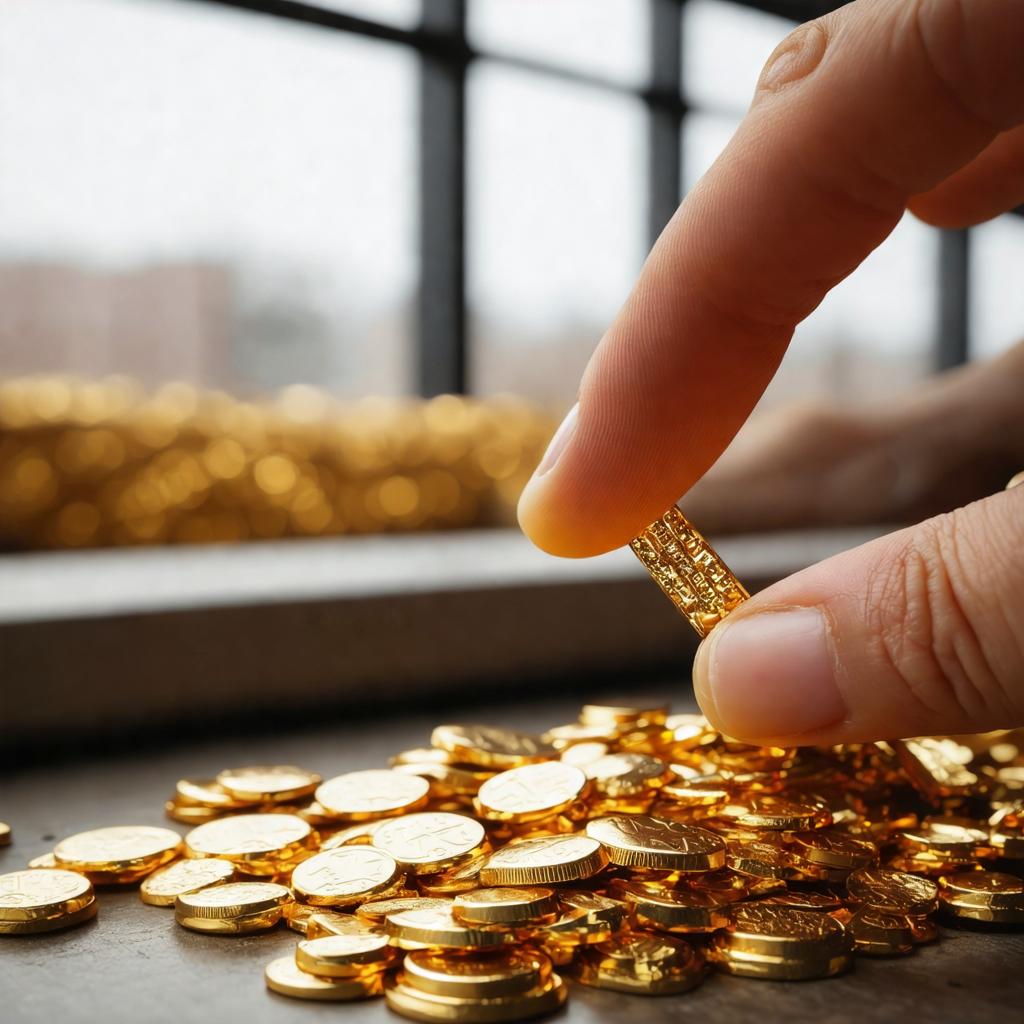
Have you ever wondered if those coveted gold medals that athletes win at the Olympics are truly made of solid gold? It’s a question that has sparked curiosity among many sports fans and enthusiasts. Let’s dive into the reality behind these shimmering symbols of athletic achievement and uncover the truth about whether gold medals are indeed solid gold.
Are Olympic Gold Medals Actually Made of Pure Gold?
When athletes stand on the podium to receive their Olympic gold medals, many people wonder: are these medals really made of pure gold? The truth is, olympic gold medals are not actually solid gold. While they do contain a certain amount of gold,they are mostly made of silver. Actually, as 1912, gold medals have been required to be made up of at least 92.5% silver and must contain a minimum of 6 grams of gold.
However, the Olympic gold medals are not just a simple silver and gold alloy. They are plated with a thin layer of pure gold to give them that iconic golden appearance. The process of creating these medals involves intricate craftsmanship and attention to detail to ensure that they are not only visually stunning but also symbolically meaningful. So, while Olympic gold medals may not be solid gold, they still hold a special place in the hearts of athletes and spectators alike.
The Truth Behind the Composition of Gold Medals
Have you ever wondered if gold medals are actually made of solid gold? The truth might surprise you! While gold medals do contain some gold, they are not entirely made of the precious metal. In fact, most gold medals are made of a combination of metals, with gold being just one component.
Gold medals are typically made of a mixture of gold,silver,and copper. this combination gives the medals their signature gold color and durability. The exact composition can vary depending on the manufacturer, but it’s safe to say that gold medals are not solid gold. So next time you see an athlete proudly displaying their gold medal, remember that it’s not just gold that makes it special!
Why the Design of Gold Medals Includes Other Metals
Gold medals are one of the most prestigious awards that athletes can receive, but surprisingly, they are not actually made entirely of gold. Actually, Olympic gold medals are required to be made up of at least 92.5% silver, with only a thin coating of gold on the surface. This is becuase pure gold is too soft and malleable to create durable medals that can withstand the wear and tear of being worn and handled by athletes.
Other metals such as copper are also commonly added to the silver base of gold medals to increase their durability and hardness. The addition of copper gives the medals a distinctive reddish hue and helps prevent them from becoming too brittle.So, while the gold medals that athletes proudly display around their necks may appear to be solid gold, they are actually a carefully crafted blend of metals designed to symbolize excellence and achievement.
Recommendations for Gold Medal Design and Production
Gold medals, frequently enough associated with prestige and achievement, are not typically made of solid gold. While the top layer of a gold medal is indeed gold, the majority of the medal is actually made of more affordable materials such as silver or bronze. This is done to make the medals more durable and cost-effective for mass production.To give the appearance of being solid gold, the gold layer on the medal is usually quite thick. The exact composition of a gold medal can vary depending on the organization producing it, but in general, most gold medals consist of about 92.5% silver and 1.7% gold, giving them a distinct gold color. Despite not being solid gold, gold medals are still highly coveted and hold significant value both monetarily and symbolically.
| Material | composition |
|---|---|
| Silver | 92.5% |
| Gold | 1.7% |
Q&A
Q: Are gold medals solid gold?
A: No, most gold medals are not actually made of solid gold.Q: What are gold medals typically made of?
A: Gold medals are usually made of a combination of metals, such as silver, copper, and trace amounts of gold.
Q: Why are gold medals not made of solid gold?
A: Solid gold would be too soft and easily damaged, so a mixture of metals is used to make the medal more durable.
Q: How much gold is in a gold medal?
A: The amount of gold in a gold medal can vary,but it is indeed generally a small percentage of the total weight.Q: Are there any exceptions to gold medals not being solid gold?
A: Yes, there are some gold medals that are made of solid gold, but these are rare and usually only awarded at special events.
In Summary
And there you have it, folks! Despite their name, gold medals are not actually made entirely of solid gold. So next time you see an athlete proudly wearing their gold medal, remember that it may not be as valuable as you think. Thanks for tuning in to this eye-opening report on the truth behind those coveted Olympic prizes. Stay informed, stay curious, and stay gold.