Pump bottles have become the default packaging choice for countless household and personal care products. From hand soap and shampoo to lotion and sunscreen, these convenient dispensers allow us to access just the right amount of product with a simple press. Yet despite their ubiquity, many people find themselves asking the same question when they encounter a new pump bottle: how do you open a pump bottle? Whether the pump is locked, stuck, or simply unfamiliar, this comprehensive guide will walk you through the process for every common pump bottle type, share troubleshooting tips for stubborn dispensers, and explain how to maintain them for long-term reliability.
Understanding the Basic Mechanism of Pump Bottles
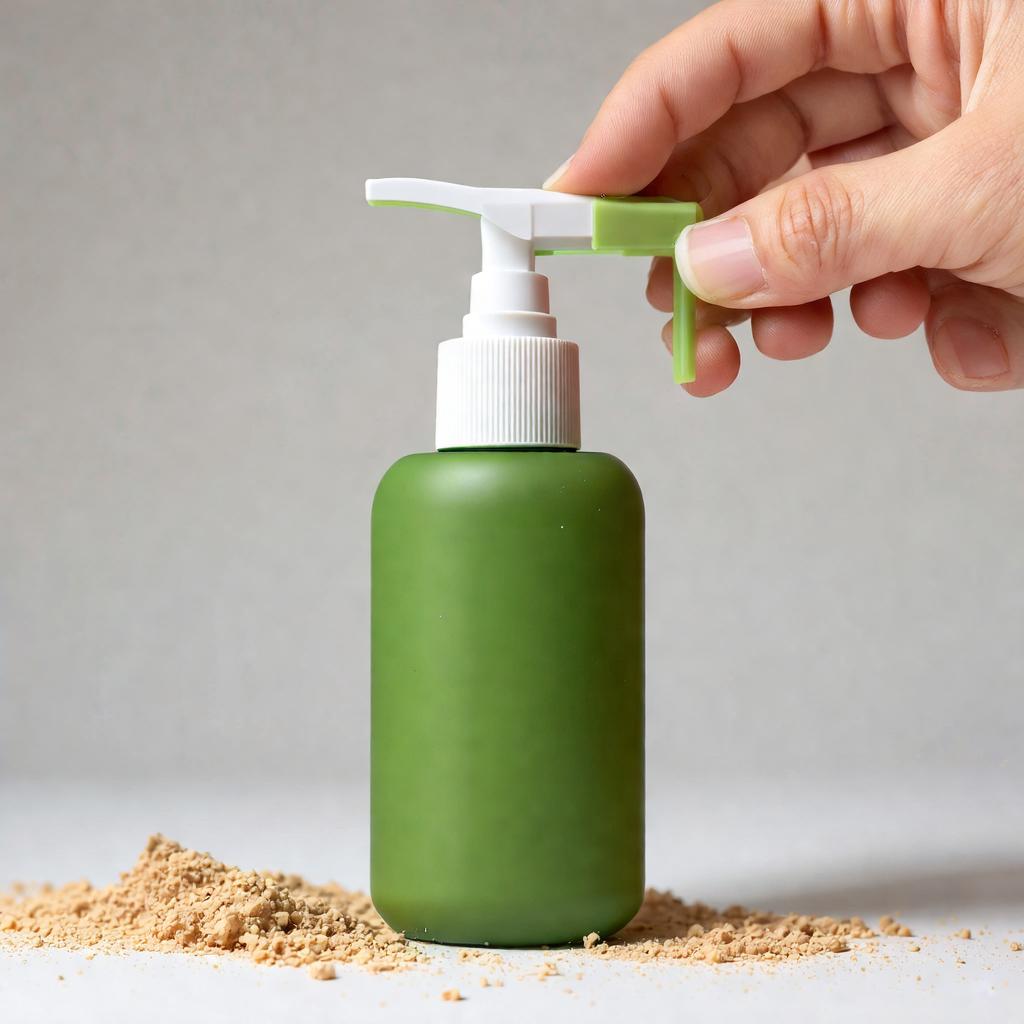
Before attempting to open a pump bottle, it helps to understand how the mechanism works. A typical pump dispenser consists of several components: the actuator (the top button you press), the closure (the threaded ring that secures the pump to the bottle), the dip tube (the long plastic straw that extends into the liquid), and the internal piston and spring that create suction.
When you press down on the actuator, the piston compresses and pushes air out through the nozzle. Releasing the actuator allows the spring to push the piston back up, creating negative pressure that draws liquid up through the dip tube. The next press dispenses the product. This elegant system works beautifully once primed, but the initial opening and priming steps can confuse first-time users.
How to Open a Standard Twist-Lock Pump Bottle
The most common type of pump bottle features a twist-lock mechanism designed to prevent accidental dispensing during shipping. These are found on hand soaps, body lotions, facial cleansers, and hair care products.
Step-by-Step Instructions
- Hold the bottle steady with one hand, gripping the main body or the closure ring to prevent the entire pump from unscrewing.
- Grasp the actuator (the very top part) firmly between your thumb and fingers.
- Twist counter-clockwise while holding the closure ring in place. You may feel slight resistance as the locking mechanism disengages.
- Continue twisting until the actuator pops up slightly, indicating it is now unlocked and ready for use.
- Pump several times to prime the mechanism. The first few presses may only dispense air as the dip tube fills with liquid.
If the actuator twists freely without popping up, try pulling upward gently while twisting. Some designs require a combination of twist and lift motion to unlock.
How to Open a Pull-Up or Pop-Up Pump Bottle
Some pump bottles, particularly those for thicker products like conditioners, sunscreens, and specialty lotions, use a pull-up locking mechanism rather than a twist lock.
Step-by-Step Instructions
- Hold the closure ring steady with one hand to prevent unscrewing the entire pump assembly.
- Place your fingers under the edge of the actuator or on the top surface.
- Pull straight up firmly but gently. The actuator should extend upward with an audible click, revealing the pump stem.
- Press down several times to prime the pump and begin dispensing product.
Do not force the actuator if it resists. Some pull-up pumps are extremely tight from the factory and may require a slight twist while pulling to release the lock.
How to Open a Flip-Top Pump Bottle
Less common but still widely used, flip-top pumps feature an actuator that folds down flat against the bottle for compact storage. These are popular for travel-sized toiletries and certain cosmetic products.
Step-by-Step Instructions
- Locate the small tab or notch on the side of the folded actuator.
- Use your thumb to lift the tab, flipping the actuator into an upright position.
- Lock the actuator into place if the design includes a secondary click-lock feature.
- Prime the pump with several presses to begin dispensing.
Opening New or Sealed Pump Bottles
Many pump bottles arrive with additional tamper-evident seals for consumer protection. These must be removed before the pump can function.
- Plastic shrink bands: Look for a perforated strip or tab, pull to tear the band, and remove it completely.
- Plastic safety clips: These small clips fit around the pump stem to prevent compression during transit. Simply squeeze the clip and pull it away.
- Foil seals under the closure: Some bottles have an inner foil seal that must be punctured or removed. Unscrew the pump assembly, remove the foil, and reattach the pump securely.
Troubleshooting a Pump Bottle That Won’t Open
Even after following standard opening procedures, some pump bottles refuse to cooperate. Here is how to diagnose and solve the most common problems.
The Pump Is Stuck and Won’t Twist
If the actuator seems fused in place, run the top of the bottle under warm water for thirty seconds. Heat can soften dried product or loosen an overly tight seal. Dry the bottle thoroughly and attempt to twist or pull again while wearing a rubber grip glove for extra traction.
The Pump Keeps Unscrewing Instead of Unlocking
This happens when you grip the closure ring and actuator together rather than holding them separately. Place one hand firmly around the closure ring at the base of the pump, then use your other hand to manipulate only the top actuator. This isolates the motion to the locking mechanism.
The Pump Opens But Won’t Dispense Product
A pump that moves freely but produces no liquid usually needs priming. Continue pressing steadily ten to twenty times, allowing the piston to rise fully between each press. If product still does not emerge, the dip tube may not be reaching the liquid because the bottle was underfilled or stored upside down. Try turning the bottle upright and letting it settle for an hour before priming again.
The Pump Dispenses Too Much or Too Little Product
Most pump bottles dispense a fixed volume per stroke determined by the internal chamber size. However, partial presses can control output for products where a full pump is excessive. Practice pressing halfway for smaller amounts. Some premium pumps feature adjustable dosage settings, typically controlled by twisting a dial at the base of the actuator.
Proper Maintenance for Long-Lasting Pump Bottles
Once you have successfully opened your pump bottle, a few simple maintenance habits will keep it functioning smoothly until the last drop.
- Clean the nozzle regularly. Dried product can clog the exit channel and cause sputtering or blockages. Wipe the nozzle with a damp cloth after each use, or run warm water through it weekly.
- Store bottles upright. Keeping the dip tube submerged in liquid prevents air from entering the chamber and maintains prime.
- Avoid extreme temperatures. Heat can warp plastic components and degrade seals, while freezing temperatures may crack the dip tube or cause emulsified products to separate.
- Re-lock for travel. If your pump has a twist-lock feature, lock it before packing to prevent accidental dispensing in luggage.
- Refill carefully. When reusing a pump bottle with bulk or homemade products, ensure the liquid viscosity is similar to the original formulation. Liquids that are too thick may strain the pump mechanism, while very thin liquids may leak.
How Pump Bottle Design Impacts User Experience
Packaging engineers invest significant effort into designing pump mechanisms that balance ease of use, product protection, and precise dosage. The diameter of the dip tube, the length of the piston stroke, the viscosity of the product, and even the shape of the actuator all influence how a pump bottle feels in daily use.
For brands and product manufacturers, choosing the right pump assembly is a critical decision. A poorly matched pump can frustrate customers, waste product, and damage brand perception. That is why many cosmetics, personal care, and household brands work closely with packaging specialists to select pump mechanisms that complement their specific formulations.
Metal Components in Premium Pump Bottle Packaging
While most pump bottles rely heavily on plastic construction, premium and sustainable packaging trends have introduced metal components that enhance durability, aesthetics, and recyclability. Aluminum pump collars, stainless steel actuators, and metal over-caps are increasingly common in high-end skincare, fragrance, and eco-conscious home care lines.
These metal elements not only elevate the perceived value of the product but also provide structural advantages. Metal threads on closure rings resist stripping better than plastic alternatives. Stainless steel actuators feel more substantial and can be engineered for smoother operation. For brands seeking distinctive shelf presence, custom metal pump accessories such as embossed collars, engraved bands, or shaped actuators offer differentiation in crowded markets.
At Metal Crafts Pro, we support packaging innovators and product brands with custom metal components including decorative pump accessories, branded bottle collars, and precision-machined dispensing hardware. While our core expertise lies in medals, lapel pins, challenge coins, and dog tags, our metalworking capabilities extend to small-batch and wholesale custom metal parts for specialty packaging applications.
Explore Custom Metal Manufacturing
Environmental Considerations for Pump Bottle Users
As consumers become more environmentally conscious, pump bottle design and disposal deserve attention. Many pump bottles combine multiple materials, making them difficult to recycle through standard municipal programs. Here are ways to reduce environmental impact:
- Choose refillable options whenever possible to reduce single-use packaging waste.
- Separate components before recycling. Remove metal springs and rings from plastic parts if your local facility requires material sorting.
- Repurpose empty bottles for DIY cleaning solutions, plant misters, or craft projects.
- Support brands that use post-consumer recycled plastic or mono-material pump designs that are easier to recycle.
Frequently Asked Questions About Opening Pump Bottles
Why do pump bottles have locks?
Locks prevent accidental dispensing during shipping and storage. Without them, pressure changes and movement could cause product to leak, creating messes and wasting contents.
Can I fix a broken pump bottle?
Sometimes. If the dip tube is disconnected, reinserting it firmly may restore function. If the spring or piston is damaged, replacement is usually more practical than repair. Save a pump assembly from a similar bottle as a potential spare part.
Are all pump bottles the same size?
No. Pump bottles come in various neck finishes and sizes. Common sizes include 24/410, 24/415, and 28/400, referring to the diameter and thread style. Always match replacement pumps to your bottle’s specific neck size.
How do I transfer a pump to a new bottle?
Unscrew the pump from the original bottle, rinse it thoroughly with warm water, and allow it to dry completely. Screw it onto the new bottle, ensuring the dip tube reaches near the bottom. Prime as usual.
Conclusion: Mastering the Simple Art of Opening Pump Bottles
The question of how do you open a pump bottle has a straightforward answer once you understand the type of lock mechanism you are dealing with. Whether it twists, pulls up, or flips open, the key is to hold the base steady, manipulate only the actuator, and exercise a bit of patience during priming. With the knowledge from this guide, you should be able to confidently open any standard pump bottle and troubleshoot the occasional stubborn dispenser.
Proper care and maintenance will extend the life of your pump bottles, saving you money and reducing waste. And for businesses and product developers working to create premium packaging experiences, thoughtful component selection, including durable metal hardware where appropriate, can significantly enhance both functionality and brand perception.
If you are developing a product line and need custom metal components for specialty packaging, promotional items, or branded merchandise, Metal Crafts Pro offers comprehensive manufacturing services with design support and wholesale pricing. From medals and challenge coins to precision metal parts, we help bring your concepts to life with professional quality and reliability.