Lapel pins are small accessories that carry significant meaning. Whether you are wearing a corporate logo pin, a political campaign button, a military insignia, or a commemorative piece from a special event, the placement of your pin matters more than many people realize. The question of what side to wear a lapel pin has generated considerable confusion, with conflicting advice from fashion experts, military protocol guides, and personal style bloggers. At Metal Crafts Pro, we manufacture custom lapel pins for corporations, military units, political campaigns, and organizations worldwide. We understand that proper pin placement reflects respect for tradition and attention to detail, values that our clients hold dear. This comprehensive guide clarifies the rules, traditions, and modern interpretations of lapel pin placement.
The Traditional Rule: Left Side Over the Heart
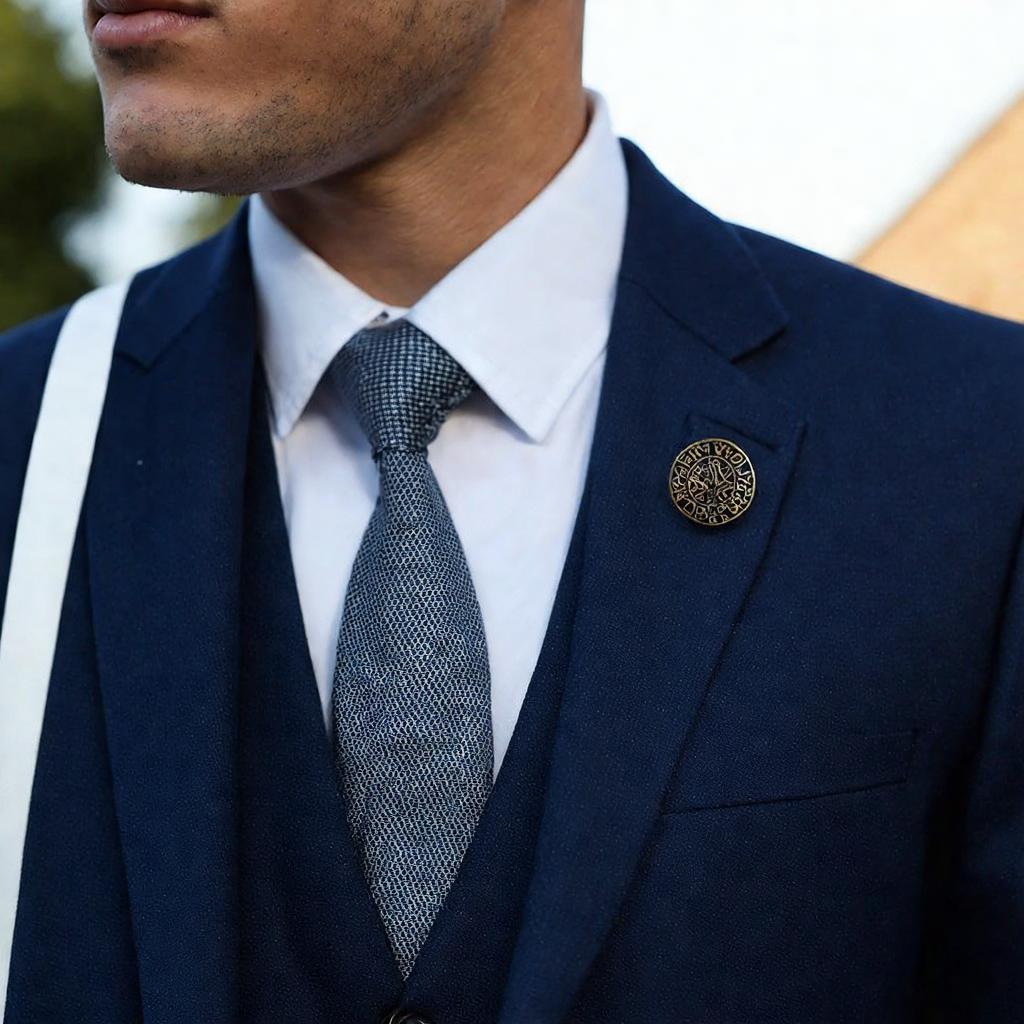
The most widely accepted convention for lapel pin placement is on the left lapel, positioned over the heart. This tradition has deep roots in military and ceremonial customs. The left side has long been associated with the heart, and placing insignia, medals, and pins on this side symbolizes loyalty, honor, and commitment.
In United States military protocol, all badges, ribbons, and insignia are worn on the left side of the uniform. This standard extends to lapel pins when service members wear civilian attire at formal events. The consistency of left-side placement across uniforms and civilian dress reinforces organizational identity and makes it immediately clear which decorations a person has earned.
Political figures and diplomats overwhelmingly follow the left-side tradition. Watch any press conference, debate, or international summit, and you will notice that flag pins, campaign buttons, and organizational emblems sit on the left lapel. This uniformity is not accidental. It reflects adherence to protocol that has been established over generations.
For most business and social situations, wearing your lapel pin on the left side is the safest, most universally accepted choice. When in doubt, default to the left lapel over the heart.
Military Protocol and Uniform Standards
Military organizations have the most detailed and strictly enforced rules regarding pin and insignia placement. Understanding these standards provides valuable context for civilian lapel pin etiquette.
In the United States Army, Air Force, Navy, Marine Corps, and Coast Guard, service ribbons, unit citations, and qualification badges are positioned on the left side of the chest. The specific placement of each item is governed by regulations that specify exact measurements from seams, edges, and other reference points. These regulations leave no room for personal preference.
When military personnel transition to civilian clothing for official functions, they often continue to wear lapel pins representing their service branch, unit, or veteran status. The left-side placement carries over naturally from uniform standards. A veteran wearing a unit pin on the left lapel is signaling continuity between their military service and civilian identity.
International military organizations follow similar conventions, though specific regulations vary by country. The British Armed Forces, Canadian Forces, and Australian Defence Force all specify left-side placement for medals and insignia. NATO standardization has further reinforced this consistency among allied nations.
Modern Fashion and the Right Side Exception
While the left side remains the traditional standard, modern fashion has introduced some flexibility into lapel pin placement. Certain situations and styles legitimately call for right-side placement.
The most common exception involves women’s fashion. Women’s blazers, suits, and dresses often feature design elements on the left lapel that make pin placement awkward or visually unbalanced. Buttons, pockets, lapels of unequal width, or decorative stitching can interfere with left-side placement. In these cases, wearing the pin on the right side is not only acceptable but sometimes preferable for aesthetic balance.
Some contemporary menswear stylists advocate for right-side placement as a deliberate fashion statement. Wearing a pin on the right lapel creates asymmetry that draws attention and signals confidence. This approach is more common in creative industries, fashion-forward circles, and situations where traditional business dress codes do not apply.
However, this flexibility comes with caveats. Wearing a pin on the right side at a formal military event, political function, or conservative business meeting may be seen as ignorance of protocol rather than fashion savvy. Context matters enormously when deciding whether to deviate from tradition.
Lapel Pin Placement for Specific Occasions
Different occasions call for different approaches to lapel pin placement. Understanding the expectations of each setting helps you make the right choice.
Corporate and Business Settings
In corporate environments, left-side placement is the professional standard. Company logo pins, anniversary pins, and industry association emblems should sit on the left lapel. This placement aligns with business formal conventions and ensures consistency across an organization.
When wearing a name badge alongside a lapel pin, the name badge typically takes precedence and should be placed on the right side of the chest. The lapel pin then occupies the left lapel. This arrangement balances visual weight across the torso and follows the convention that organizational identification stays on the right while honors and affiliations stay on the left.
Political and Campaign Events
Political lapel pins, particularly American flag pins, have become nearly mandatory accessories for elected officials and candidates. The standard placement is the left lapel, over the heart. This positioning carries symbolic weight, suggesting patriotism and service.
Some political consultants argue that candidates should wear pins slightly higher on the lapel to ensure visibility during televised speeches and debates. A pin placed too low may be hidden by a podium or microphone. The upper portion of the left lapel, roughly aligned with the top button of a suit jacket, offers optimal visibility while maintaining traditional placement.
Weddings and Formal Social Events
Wedding parties often wear lapel pins, boutonnieres, or corsages that require careful placement. Groomsmen might wear pins representing the couple’s initials, wedding date, or a meaningful symbol. The left lapel is standard, though boutonnieres traditionally sit slightly higher than other pins, near the shoulder seam.
At black-tie events, minimalist lapel pins are appropriate when they represent membership in an honored organization or cause. Avoid novelty pins, oversized designs, or pins with political messaging unless the event specifically calls for such expression.
Pin Types and Attachment Methods
The type of lapel pin you wear influences both placement and practicality. Different attachment methods offer varying levels of security and ease of use.
- Butterfly clutch: The most common attachment, consisting of a sharp post that pierces fabric and a small metal clasp that squeezes onto the post. Butterfly clutches are secure and easy to attach but can damage delicate fabrics.
- Rubber clutch: Similar to butterfly clutches but using a rubber backing instead of metal. Rubber clutches are gentler on fabric and less likely to loosen over time.
- Deluxe clutch: A more secure variation with a locking mechanism that prevents accidental detachment. Ideal for valuable or sentimental pins.
- Safety pin: A traditional attachment that loops through fabric without piercing. Safety pins are gentle on fabric but less secure and more visible from the back.
- Magnetic backing: Uses powerful magnets to hold the pin in place without piercing fabric. Magnetic backings are perfect for expensive garments, leather, or materials that cannot be punctured.
- Screw back: The most secure attachment, requiring the post to be screwed into a threaded clutch. Common for military and law enforcement insignia.
When choosing a placement, consider how the attachment interacts with your garment. A heavy pin with a butterfly clutch may droop or rotate on thin fabric unless positioned where the material has extra support from underlying structure.
Custom Lapel Pins for Organizations
Organizations that issue lapel pins to members, employees, or supporters should provide guidance on proper placement. Including a small card or digital guide with each pin ensures consistent wear that reflects well on the organization.
At Metal Crafts Pro, we help clients design lapel pins that are not only visually striking but also practical for everyday wear. Design considerations that affect placement include:
- Size and weight: Larger, heavier pins require sturdy attachments and placement on structured fabric areas
- Orientation: Pins with horizontal designs may look better on broader lapels, while vertical designs suit narrower lapels
- Color contrast: Pin colors should contrast with typical jacket colors to ensure visibility
- Attachment type: We offer all standard attachment options and can recommend the best choice based on intended use
Custom lapel pins serve countless organizational purposes. Corporations use them for employee recognition, brand promotion, and trade show giveaways. Military units design pins for specific deployments, units, or achievements. Political campaigns distribute pins to volunteers and donors. Schools create pins for academic honors, sports teams, and alumni associations. Nonprofits use awareness ribbon pins to generate visibility for causes.
Common Mistakes in Lapel Pin Placement
Even well-intentioned pin wearers make placement errors that undermine the intended message. Avoid these common mistakes:
- Placing the pin too low: Pins positioned near the bottom of the lapel can appear sloppy and may be obscured by arms or objects.
- Crowding multiple pins: Wearing too many pins on a single lapel creates visual chaos. If you have multiple pins to display, choose the most important one for the lapel and relocate others to a pin board, bag, or alternate location.
- Mismatched formality: A casual novelty pin on formal attire or an elaborate ceremonial pin on casual clothing creates discord.
- Ignoring garment construction: Placing a pin where the fabric lacks support causes sagging, rotation, or damage.
- Wearing a damaged pin: Pins with missing enamel, tarnished plating, or broken attachments reflect poorly on the wearer and the organization represented.
FAQ About Lapel Pin Placement
Can I wear more than one lapel pin at a time?
Generally, one pin per lapel is the rule. Multiple pins can appear cluttered. If you must wear multiple pins, arrange them in a straight line with equal spacing, prioritizing the most important pin in the highest position.
Does the rule change for women’s clothing?
Women have more flexibility due to greater variation in garment design. The left side remains traditional, but right-side placement is acceptable when left-lapel design elements interfere.
Should a flag pin be worn on the left or right?
The American flag pin should be worn on the left lapel with the stars in the upper left corner, as if the flag were flying on a pole moving forward.
What if my jacket has no lapel?
For lapelless jackets, vests, or dresses, place the pin on the left side of the chest in the approximate position where a lapel would be.
Conclusion
The question of what side to wear a lapel pin has a clear traditional answer: the left lapel, over the heart. This placement honors military protocol, aligns with political and diplomatic conventions, and represents the most widely recognized standard across cultures. Modern fashion has introduced some flexibility, particularly for women’s attire and creative professional contexts, but the left side remains the safest default for formal and professional situations.
Proper pin placement demonstrates attention to detail, respect for tradition, and pride in the organization or cause your pin represents. Whether you are wearing a corporate logo, military insignia, or commemorative design, wearing it correctly amplifies its impact.
Metal Crafts Pro manufactures custom lapel pins with the same precision and quality that we bring to challenge coins, medallions, and awards. From design consultation to final delivery, we ensure your pins look exceptional and wear comfortably. Contact us today to discuss your custom lapel pin project and Request a Free Quote for your organization.
Storing and Maintaining Lapel Pin Collections
Organizations and individuals who accumulate lapel pins over time need proper storage solutions to preserve condition and value. Display boards with felt backing allow visual enjoyment while protecting pin finishes from scratches. For storage, archival-quality boxes with individual compartments prevent pins from contacting one another. Avoid storing pins in humid environments, as moisture can cause plating to tarnish and clutch mechanisms to corrode over time.
Cleaning lapel pins requires gentle methods. A soft cloth lightly dampened with water removes surface dust. For stubborn residue, mild soap solution works, but avoid submerging pins, as moisture can seep behind enamel and metal surfaces. Regular inspection of clutch mechanisms ensures pins remain secure when worn. Replacing worn rubber or butterfly clutches prevents accidental loss of cherished pieces. With proper care, a quality lapel pin collection lasts for generations.
Lapel Pins as Brand Ambassadors
When employees or supporters wear your organization’s lapel pin, they become walking brand ambassadors. A well-designed pin on the left lapel of a blazer at a conference, trade show, or community event generates impressions and sparks conversations. Unlike disposable promotional items, lapel pins persist, continuing to promote your brand every time they are worn. This makes them one of the most cost-effective marketing investments available to organizations.
To maximize this ambassador effect, ensure your pin design is immediately recognizable and visually appealing from a distance. Bold colors, clean lines, and strong contrast help pins stand out. Provide clear guidance on placement so that wearers present a consistent, professional image. When hundreds of supporters wear your pin correctly, the cumulative impact on brand visibility is substantial.