
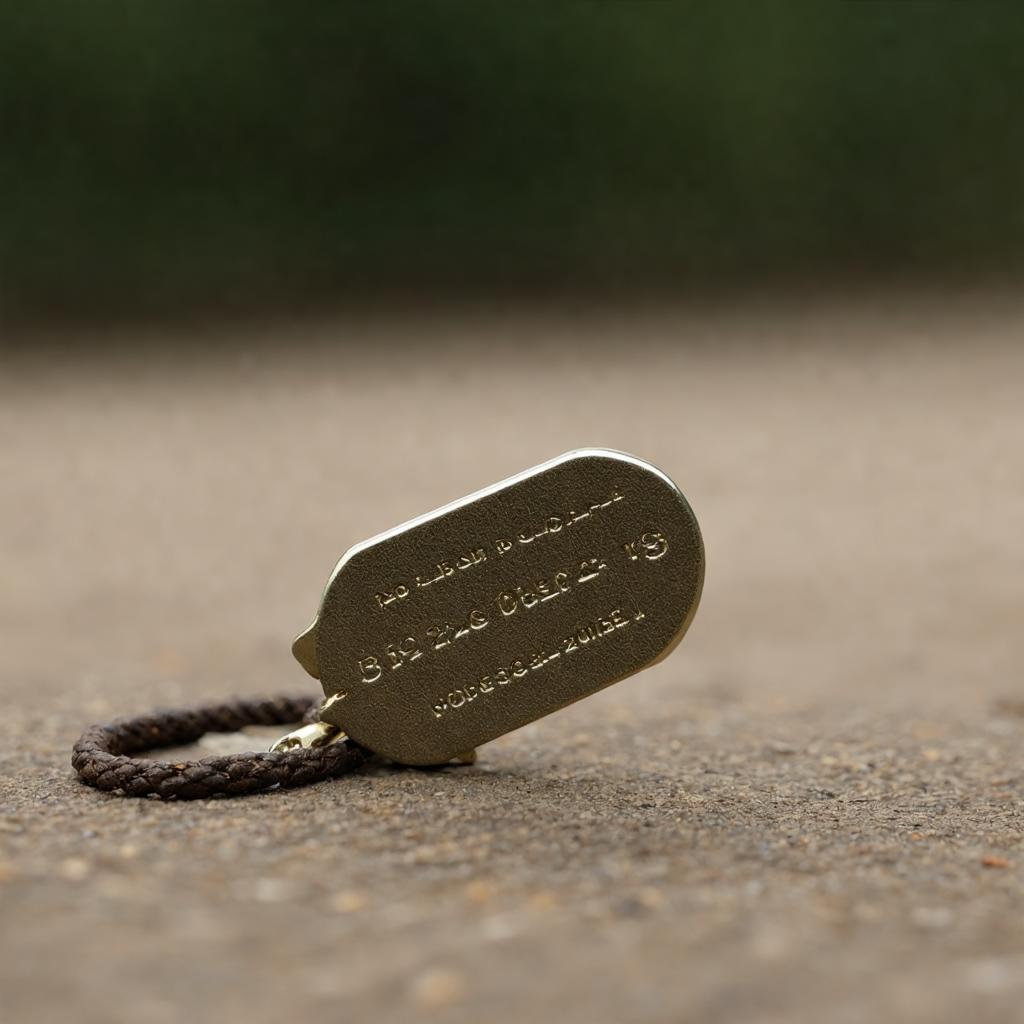
Every responsible pet owner knows that identification tags can mean the difference between a lost pet coming home safely and a tragic permanent separation. If you have ever struggled with the mechanics of attaching metal tags or wondered about best practices for long-term security, this guide explains how to put dog tags on collars correctly while exploring the broader world of custom dog tag manufacturing for pet businesses, military units, and promotional campaigns.
At Metal Crafts Pro, we manufacture custom dog tags in bulk using military-grade materials and precision engraving techniques. Whether you run a veterinary clinic, operate a pet retail chain, or supply identification gear for working K9 units, our 2026 guide covers attachment techniques, material selection, and bulk ordering strategies that ensure every tag stays securely in place.
Choosing the Right Dog Tag and Hardware
Before attaching any tag, you must select hardware appropriate for the animal’s size, activity level, and environment. Poor material choices lead to faded engraving, broken attachments, and lost tags.
- Stainless Steel: The gold standard for durability and corrosion resistance. Stainless steel tags withstand saltwater exposure, muddy conditions, and years of abrasion without rusting or degrading.
- Anodized Aluminum: Lightweight and available in vibrant colors. Best for smaller pets and indoor environments where extreme abrasion is unlikely.
- Brass and Copper: Attractive and antimicrobial but prone to tarnishing. Suitable for decorative or short-term identification purposes.
- Silicone Tag Silencers: These rubber sleeves wrap around metal tags to eliminate jingling noise and protect enamel or printed surfaces from scratching.
- Split Rings versus S-Hooks: Split rings provide the most secure attachment but require fingernails or tools to open. S-hooks are easier to attach and remove but can work loose under sustained pulling force.
Step-by-Step Attachment Process
Attaching a dog tag correctly takes only minutes but requires attention to detail. A poorly secured tag can detach during play, swimming, or forest walks.
Step 1: Verify Engraving Accuracy
Before attaching the tag, double-check that all text is legible and accurate. Verify the pet’s name, owner phone number, and any critical medical information such as diabetes, epilepsy, or allergies.
Step 2: Select Attachment Point
Most collars feature a D-ring or O-ring specifically intended for tag attachment. If the collar has multiple rings, use the one closest to the buckle rather than the leash ring. This positioning reduces tag movement and leash interference.
Step 3: Open the Split Ring
Use a split ring opener, a small flathead screwdriver, or sturdy fingernails to pry open the split ring just enough to slide it through the tag’s hole. Work the ring around the tag hole by rotating the tag rather than forcing the ring.
Step 4: Thread onto Collar Ring
Once the tag is on the split ring, thread the ring onto the collar’s D-ring. Rotate the split ring until the tag hangs freely without twisting the collar fabric.
Step 5: Test Security
Tug firmly on the tag in multiple directions. The split ring should not gap open. If using an S-hook, verify that the hook ends are pinched tightly closed with pliers.
Step 6: Position for Visibility
The tag should hang on the side of the neck where it is easily visible to anyone who finds the pet. Tags positioned under the chin or behind the ear are harder to read quickly.
Best Practices for Multi-Tag Setups
Many pets wear multiple tags including identification, rabies vaccination, and microchip registration. Managing multiple tags requires additional consideration.
- Use a Tag Collar: A separate narrow collar worn alongside the main collar keeps tags organized and reduces neck strain.
- Tag Silencers: Rubber or neoprene silencers wrap around multiple tags, holding them together quietly and preventing surface abrasion.
- Prioritize Readability: Ensure the most critical tag, containing owner contact information, remains the largest and most visible.
- Regular Inspection: Check tags monthly for wear, fading, or loosening. Replace worn split rings before they fail.
Custom Dog Tag Manufacturing for Businesses and Organizations
Beyond individual pet owners, significant commercial demand exists for custom dog tags manufactured in bulk. Veterinary clinics, animal shelters, pet supply retailers, and military K9 units all require reliable identification solutions.
Veterinary and Retail Applications: Pet stores and veterinary practices often sell engraved tags as a service to clients. Offering on-the-spot engraving increases foot traffic and customer loyalty. Bulk orders of blank tags in popular shapes such as bones, hearts, and circles allow businesses to maintain inventory without committing to pre-engraved stock.
Military and Working Dog Tags: K9 units require tags that meet military specifications for durability and legibility. Stainless steel tags with deep rotary engraving withstand explosive detection work, patrol duties, and deployment conditions that would destroy lesser products.
Promotional and Fundraising Campaigns: Animal rescue organizations and breed clubs create custom-shaped tags as fundraising premiums. Enamel-colored tags featuring organizational logos transform functional identification into wearable advocacy.
Manufacturing Options and Bulk Pricing
At Metal Crafts Pro, we offer several manufacturing methods tailored to different applications and budgets.
- Laser Engraving: Produces precise, permanent marks by vaporizing metal surface layers. Ideal for detailed text and simple graphics.
- Rotary Engraving: Cuts deep grooves into metal using rotating cutters. Extremely durable and legible even after years of wear.
- Stamped and Embossed Tags: Raised or recessed characters created by hydraulic presses. Traditional military style with timeless appeal.
- Color-Printed Tags: UV-resistant inks applied to anodized aluminum or coated steel. Best for colorful logos and photographs.
- Epoxy-Domed Tags: Clear resin domes protect printed or etched surfaces while adding dimensional depth and visual enhancement.
Bulk pricing scales favorably with volume. Orders of five hundred units or more unlock significant per-unit discounts, making custom dog tags an affordable addition to any pet business product line or organizational supply chain.
Attachment Hardware for Commercial Buyers
Businesses selling or distributing dog tags should also consider the quality of attachment hardware included with each tag. Cheap split rings corrode, lose tension, and fail at the worst possible moments. We recommend sourcing nickel-plated or stainless steel split rings rated for at least ten pounds of pull force. For premium product lines, consider including silicone tag silencers as standard accessories to differentiate your offerings from competitors.
Emergency Preparedness and Pet Identification
Natural disasters and emergencies separate thousands of pets from their owners annually. During hurricanes, wildfires, and floods, properly tagged pets have dramatically higher reunion rates than untagged animals. Tags should include not only owner phone numbers but also secondary contacts and evacuation addresses.
Military working dogs operate in even more extreme environments. Their tags must remain legible after exposure to sandstorms, saltwater, and chemical contaminants. Stainless steel with deep rotary engraving remains the only reliable solution for these demanding conditions.
Environmental Considerations in Tag Manufacturing
Sustainability concerns increasingly influence purchasing decisions in the pet industry. Anodized aluminum tags require less energy to produce than stainless steel and are fully recyclable. However, their shorter lifespan may result in higher long-term replacement rates. Businesses must balance environmental goals with product durability when selecting materials.
At Metal Crafts Pro, we offer recycled metal options and eco-friendly packaging for clients who prioritize sustainability without compromising quality.
Seasonal Maintenance and Tag Replacement Schedules
Pet owners should establish routine tag maintenance schedules. Spring and fall represent ideal times for comprehensive tag inspections. Check engraving legibility after winter salt exposure and summer swimming activities. Replace faded or damaged tags promptly rather than waiting for an emergency.
Veterinary practices can incorporate tag checks into annual wellness examinations. Technicians can verify attachment security, update contact information, and recommend replacement when tags show significant wear. This simple addition to routine care appointments enhances patient safety while generating incremental retail revenue.
Innovations in Pet Identification Technology
While traditional engraved tags remain essential, technology is expanding identification options. QR code tags link to online profiles with medical history, dietary restrictions, and multiple emergency contacts. GPS-enabled smart tags provide real-time location tracking for high-value working dogs. NFC chips embedded in tags allow smartphone users to access owner information instantly.
Despite these advances, physical engraved tags remain the most reliable identification method. Batteries die, signals fade, and websites go offline. A simple stainless steel tag with a phone number works in every circumstance, making it the indispensable foundation of any pet identification strategy.
Working Dog Tags and Handler Coordination
Military and police working dogs operate as extensions of their handlers. Their tags must coordinate with handler identification systems. Some K9 units issue matching tag sets where the dog’s tag and handler’s challenge coin share identical designs, unit numbers, and color schemes. This visual coordination reinforces the partnership bond and simplifies identification during chaotic operational environments.
Handler-dog tag sets also make meaningful retirement gifts when K9s conclude their service careers. The matched pair becomes a permanent symbol of the trust and teamwork that defined their working relationship.
Conclusion
Knowing how to put dog tags on collars correctly is a fundamental skill for every pet owner and pet care professional. Proper attachment ensures that identification remains visible and secure through every adventure, bath, and nap. For businesses and organizations, sourcing high-quality custom dog tags in bulk from a trusted manufacturer protects your reputation and your customers’ beloved companions.
Ready to order durable custom dog tags for your business, clinic, or organization? Contact Metal Crafts Pro today for a free bulk manufacturing quote. We produce dog tags, challenge coins, medals, lapel pins, keychains, bottle openers, and fridge magnets with precision engraving and military-grade materials, ensuring every product performs when it matters most.

