Opening a bottled beverage seems straightforward until you encounter a stubborn cap, an unfamiliar opener style, or a high-volume situation requiring speed and efficiency. Understanding how to use bottle opener tools correctly prevents injuries, preserves bottles, and ensures smooth service whether you are enjoying drinks at home, working behind a busy bar, or operating a hospitality business. This comprehensive guide covers every major bottle opener type, proper technique for each, safety considerations, and how businesses source quality custom openers for commercial applications.
The Physics of Bottle Opening
Before exploring specific techniques for how to use bottle opener varieties, understanding the underlying physics helps explain why certain methods work while others damage bottles or cause injuries. Crown cork bottle caps feature twenty-one crimped edges gripping a glass bottle’s reinforced rim.
Effective bottle opening applies leverage to pry the cap’s crimped edges outward simultaneously, releasing the seal without excessive force. The opener acts as a lever, multiplying the force applied by your hand to overcome the cap’s grip on the bottle rim. Proper technique minimizes the effort required while preventing the glass chipping, cap deformation, and beverage spillage that result from incorrect approaches.
Handheld Bottle Openers
Handheld openers represent the most common and accessible answer to how to use bottle opener questions. These portable tools fit in pockets, drawers, and bar caddies for universal availability.
Standard Church Key Openers
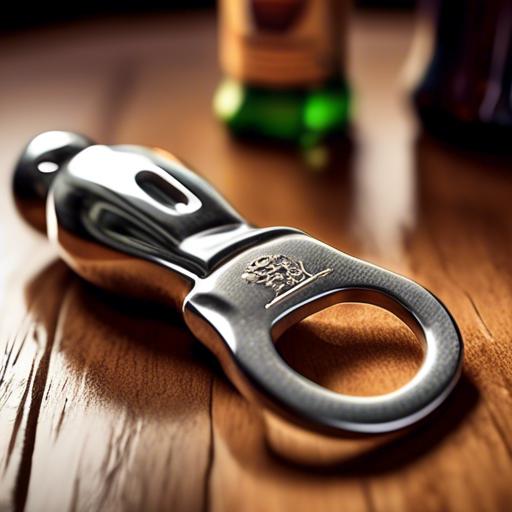
The classic church key opener, named for its resemblance to historical church door keys, remains ubiquitous in households worldwide. This simple metal tool features a pointed end for puncturing can tops and a curved hook end for prying bottle caps.
To use a church key opener correctly, position the curved hook under the cap’s crimped edge with the opener’s flat surface resting atop the bottle rim. Apply upward leverage using the bottle rim as a fulcrum. The cap should release with minimal effort, popping free cleanly. Avoid twisting the opener, which bends the cap unevenly and risks chipping the glass rim.
For stubborn caps, reposition the opener to a different crimp point rather than forcing additional leverage. Multiple light pries from different angles release tight caps more reliably than single violent attempts. Inspect church key openers periodically for metal fatigue, particularly at the leverage point, as worn openers slip unpredictably.
Waiter’s Friend and Multi-Tools
The waiter’s friend combines a bottle opener with a corkscrew and often a small knife for foil cutting. This versatile tool answers how to use bottle opener functions alongside wine service requirements, making it essential for servers and sommeliers.
Using the opener component mirrors church key technique: hook the cap edge, brace against the bottle rim, and apply controlled upward leverage. The folded design requires extending the opener arm fully before use to prevent finger pinching and ensure adequate leverage. Quality waiter’s friends feature reinforced steel opener arms that resist bending under pressure.
Many pocket multi-tools incorporate bottle openers among their functions. While convenient, these integrated openers often provide suboptimal leverage angles compared to dedicated tools. Approach multi-tool openers with slightly reduced force to prevent slippage.
Novelty and Custom Openers
Custom-shaped openers manufactured from stainless steel, zinc alloy, or brass serve dual purposes as functional tools and branded merchandise. These openers leverage corporate logos, sports team mascots, or unique silhouettes while incorporating standard opening geometry.
Using novelty openers requires identifying the functional opening edge, which may be less obvious than on standard designs. Position the working edge under the cap as with conventional openers, then apply steady leverage. Custom openers make excellent promotional items because recipients retain useful tools far longer than disposable advertising materials.
Speed Openers and Bar Blades
Professional bartenders answering how to use bottle opener tools in high-volume environments rely on speed openers and bar blades. These flat metal strips, typically stainless steel, enable rapid one-handed or two-handed opening techniques that process dozens of bottles per minute.
Basic Bar Blade Technique
The bar blade features a flat stainless steel body with openings at each end designed for cap removal. One end typically includes a speed pour notch while the other provides a standard opener. The tool’s flat profile slips easily into back pockets or hangs from belt loops via integrated holes.
For basic two-handed operation, grip the bottle in your non-dominant hand and hook the opener end under the cap’s crimped edge. A quick upward snap of the opener wrist releases the cap cleanly. This technique requires minimal arm movement, reducing fatigue during marathon bar shifts.
One-Handed Speed Techniques
Advanced bartenders master one-handed speed opening techniques that amaze patrons while accelerating service. The most common method involves gripping the bottle neck with your palm and fingers while positioning the bar blade between your middle and ring fingers.
Hook the opener under the cap edge using finger control, then apply leverage by tilting the bottle backward while pushing forward with the opener hand. The cap releases with a satisfying pop as the combined motions generate sufficient leverage. Practice with empty bottles until the motion becomes instinctive before attempting with full bottles in service environments.
Another one-handed technique uses the bar blade hooked under the cap edge against a hard surface edge, such as a bar rail or table corner. A downward push on the bottle releases the cap using the surface as a fulcrum. While effective, this method risks damaging finished surfaces and should be used cautiously.
Safety Considerations for Speed Opening
Speed techniques increase injury risks without proper training. Sharp bar blade edges can lacerate fingers during fumbled catches. Caps launched at high velocity become projectiles capable of causing eye injuries or dental damage. Always direct cap ejection away from patrons, glassware, and food preparation areas.
Develop consistent cap catching habits, whether using your free hand, a cap catcher bucket, or a magnetic surface. Floors littered with caps create slip hazards and unprofessional appearances. Regular bar blade inspection prevents failures from metal fatigue or edge deformation that cause unpredictable slippage.
Wall-Mounted and Stationary Openers
Fixed-position openers answer how to use bottle opener tools in permanent installations such as home bars, restaurant service stations, and outdoor kitchens. These openers mount to walls, counters, or refrigerators, providing always-available opening points.
Wall-Mounted Openers with Catchers
The classic wall-mounted bottle opener features a simple metal bracket with an opening lip and often a container below catching removed caps. Installation requires secure mounting to studs or solid backing, as enthusiastic use generates surprising force.
To operate, position the bottle cap against the opener lip and pull downward firmly. The opener’s fixed position provides stable leverage, often making these the easiest openers for children, elderly users, and individuals with limited grip strength. Empty the catcher container regularly to prevent overflow and pest attraction.
Under-Counter Openers
Under-counter mount openers preserve clean countertop appearances while providing convenient access. These compact units install beneath cabinet overhangs or bar edges, remaining hidden until needed. Operation mirrors wall-mounted openers: position the cap and pull downward against the fixed lip.
Installation location matters significantly for under-counter models. Mount them where users naturally stand while preparing drinks, typically near refrigerators and glass storage. Avoid locations where the opener lip might catch clothing or bump heads.
Magnetic and Novelty Mounts
Magnetic openers attach to refrigerators, metal tool chests, or any ferrous surface without drilling. Their portability accommodates changing needs, though magnetic strength varies significantly between models. Test magnetic holding power before trusting valuable bottles to weak magnets.
Novelty mounted openers incorporate fun mechanisms such as cap launchers, musical sounds, or sports themes. While entertaining, ensure these devices maintain functional opening geometry. Decorative openers failing to release caps smoothly create frustration outweighing amusement value.
Corkscrew and Wine Opener Functions
Many multi-function tools answering how to use bottle opener queries include corkscrews for wine service. Understanding integrated opener functions prevents damage to these versatile tools.
Waiter’s Friend Corkscrew with Opener
After using the corkscrew to extract a wine cork, the same tool’s lever arm often serves as a bottle opener for beer or mixers. Fold the corkscrew worm completely into the handle before using the opener function to prevent accidental puncture injuries. The small knife blade, if present, should also be folded away.
Wing Corkscrew Limitations
Wing corkscrews focus exclusively on wine opening and rarely include bottle opener functions. Attempting to pry caps with wing corkscrew bodies damages both the tool and bottle. Keep a dedicated bottle opener available when wing corkscrews serve as your primary wine tool.
Electric and Automatic Openers
Electric wine openers sometimes include manual bottle opener attachments for versatility. Consult manufacturer instructions before using these secondary functions, as motorized housings may not withstand the leverage forces generated during cap removal. Dedicated manual openers typically outperform integrated alternatives.
Advanced and Specialty Opening Techniques
Beyond standard tools, experienced drinkers employ various techniques when openers are unavailable. While educational, these methods carry higher risks and should be attempted cautiously.
Lighter and Hard Object Methods
Using a disposable lighter as a bottle opener leverages the lighter’s metal body as a lever. Grip the bottle neck with the hand holding the lighter, positioning the lighter’s base under the cap edge. Apply upward pressure using your index finger as a fulcrum point. This technique risks breaking cheap lighters and requires practice to execute cleanly.
Similarly, sturdy spoons, keys, belt buckles, and countertop edges can open bottles in emergencies. Each substitutes for a dedicated opener by providing leverage against the cap edge. However, these methods damage the improvised tool, the bottle rim, or surrounding surfaces more often than dedicated openers.
Ring Openers
Specialized rings incorporating bottle opener functions offer always-available opening capability. Worn on the finger, these metal rings feature a subtle lip catching cap edges. Position the ring under the cap and apply upward leverage using the hand holding the bottle. While convenient, repetitive use stresses finger joints and may cause discomfort.
Business Applications and Custom Manufacturing
For hospitality businesses, breweries, and promotional marketers, how to use bottle opener tools intersects with sourcing decisions affecting branding, customer experience, and operational efficiency.
Bar and Restaurant Operations
Professional establishments require opener inventories scaled to service volume. A busy nightclub may stock fifty bar blades to ensure staff always have openers available. High-end cocktail bars prefer elegant waiter’s friends matching sophisticated ambiance. Sports bars often distribute branded wall-mounted openers to regular customers as loyalty incentives.
Opener durability directly impacts replacement costs and service continuity. Stainless steel openers resist corrosion from spilled beverages and frequent washing. Avoid plated or coated openers in commercial settings where chipping and wear quickly create unprofessional appearances.
Brewery and Beverage Industry Uses
Craft breweries distribute custom openers as promotional items at tastings, festivals, and retail accounts. Bottle openers featuring brewery logos, flagship beer names, and taproom locations provide lasting brand exposure. Unlike disposable coasters or stickers, quality metal openers become permanent fixtures in recipients’ homes.
Brewery merchandise programs benefit from opener variety. Keychain openers travel everywhere with recipients. Wall-mounted openers anchor brands in home bars. Speed openers appeal to industry professionals who appreciate functional tools. Multi-tool openers command higher perceived value justifying premium pricing.
Custom Manufacturing Considerations
Businesses sourcing custom bottle openers should evaluate manufacturers on material quality, customization capabilities, minimum orders, and production lead times. Stainless steel provides optimal durability for promotional items intended to represent brands for years. Zinc alloy offers cost savings for high-volume giveaways where extreme durability matters less than per-unit pricing.
Engraving, stamping, and printing methods each suit different design requirements. Deep engraving survives years of use and washing. Color printing enables photographic reproductions and complex logos. Laser marking achieves fine detail on stainless steel surfaces. Experienced manufacturers recommend optimal methods based on specific artwork and budget constraints.
Safety and Best Practices
Understanding how to use bottle opener tools safely prevents the injuries and property damage that result from careless technique.
- Always open bottles away from faces and glassware to prevent cap-related injuries
- Inspect glass bottle rims for chips before opening; damaged bottles may break under leverage
- Discard bent or damaged openers that slip unpredictably during use
- Store openers where children cannot access them; even blunt openers cause injuries
- Clean openers regularly, especially in food service environments, to prevent bacterial buildup
- Wear eye protection when opening large quantities in industrial or event settings
- Never use teeth or attempt to pry caps with bare fingers
Conclusion
Mastering how to use bottle opener tools correctly transforms a potentially frustrating experience into effortless beverage service. From simple church key openers to advanced bar blade speed techniques, each tool type offers specific advantages for particular contexts. Home users benefit from versatile waiter’s friends and convenient wall-mounted options. Professional bartenders rely on bar blades and speed techniques for high-volume efficiency. Businesses leverage custom openers as powerful branding tools with lasting promotional value.
The quality of your bottle opener directly impacts opening ease, safety, and long-term satisfaction. Cheap openers bend, corrode, and slip, creating hazards and frustrations. Quality openers from reputable manufacturers provide years of reliable service while representing brands professionally in commercial applications.
Metal Crafts Pro manufactures premium custom bottle openers for bars, breweries, restaurants, and promotional marketers. Our stainless steel and zinc alloy openers feature precision engraving, durable construction, and designs optimized for both function and aesthetics. Contact our team to discuss your custom opener project and receive wholesale pricing for your bulk order. Get a Free Quote