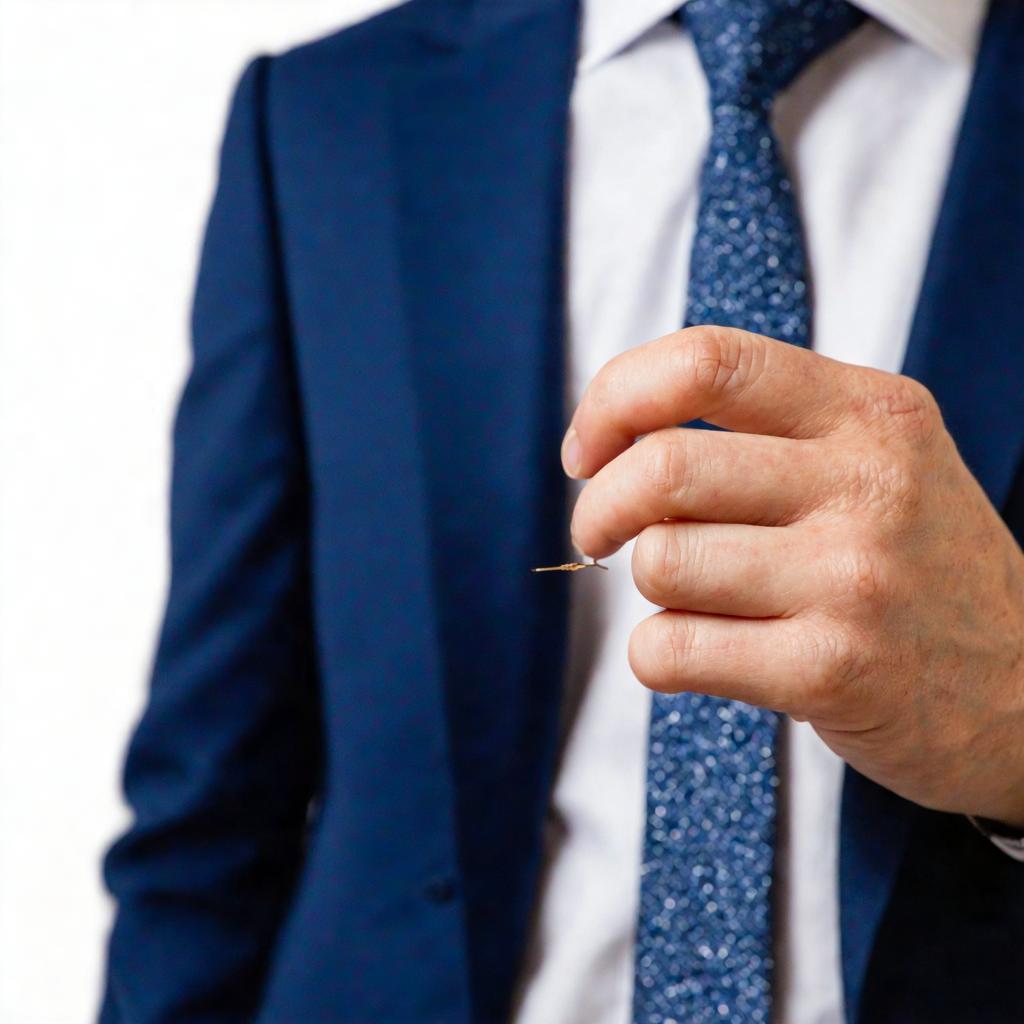
A lapel pin is one of the most effective accessories for adding personality, polish, and brand identity to a suit jacket. Yet despite its small size, improper placement can undermine an otherwise impeccable outfit and send the wrong message in professional or formal settings. If you have ever asked yourself where to put lapel pin on suit jacket, this comprehensive guide will answer every question, address common mistakes, and help you wear this accessory with complete confidence. We will also explore how businesses and brands can leverage lapel pins as powerful promotional tools and employee recognition awards.
For businesses and brands, lapel pins represent far more than fashion accessories. They are a proven medium for corporate branding, employee recognition, membership identification, and event memorabilia. At Metal Crafts Pro, we manufacture custom lapel pins for corporate clients, fashion brands, professional associations, nonprofit organizations, and special events. Understanding proper placement helps our partners educate their customers and design pins optimized for real-world wear and maximum visual impact.
The Classic Placement: Left Lapel, Above the Heart
The universally accepted rule for wearing a lapel pin on a suit jacket is to place it on the left lapel. This tradition exists for both practical and symbolic reasons that have been established over centuries of formal dress conventions:
- Symbolism: The left side is positioned above the heart, making it a natural place for badges of honor, affiliation, sentiment, or organizational pride.
- Convention: Men’s formalwear has long designated the left lapel for boutonnieres, medals, ribbons, and pins. This convention is observed across Western fashion traditions.
- Visibility: When shaking hands, greeting someone, or engaging in conversation, the left side of the body faces the other person more directly, ensuring your pin is seen and appreciated.
- Buttonhole Tradition: Most suit jackets feature a functional or decorative buttonhole on the left lapel specifically designed for flowers or pins.
Position the pin roughly one to two inches below the notch of the lapel, or aligned with the top button of the jacket. The pin should sit vertically or at a slight angle pointing toward the shoulder. Avoid placing it too high near the collar, which looks cramped, or too low near the chest pocket, which throws off the jacket’s visual proportions and creates an unbalanced appearance.
Understanding Lapel Anatomy for Perfect Positioning
To master lapel pin placement, it helps to understand the anatomy of a suit lapel. Each element provides a reference point that guides where your pin should and should not go:
- The Notch: The V-shaped indentation where the collar meets the lapel. This is your primary reference point for vertical positioning. The pin should sit below this point.
- The Gorge: The seam line running along the edge of the lapel. Pins should stay within the inner field of the lapel, not on the edge itself, which looks unstable.
- The Buttonhole: Many suit jackets feature a buttonhole on the left lapel. Traditionally used for boutonnieres, this area is also an acceptable placement for lapel pins, though slightly below it is more common for pin-style accessories.
- The Belly: The curved lower portion of the lapel. Pins placed here appear too low and draw the eye downward, visually shortening the torso.
For notch lapels, which are the most common style in business suits, place the pin in the upper third of the lapel field. For peak lapels, which feature upward-pointing edges and are common on double-breasted jackets and tuxedos, the same rule applies, though the higher peak creates a more dramatic backdrop. Shawl lapels, common on tuxedos and dinner jackets, offer a continuous curve without a notch; center the pin slightly above the midline for optimal balance and symmetry.
Different Pin Types and Their Placement Nuances
Not all lapel pins attach the same way, and each style may require slight adjustments in placement or technique:
- Stick Pins: These long, slender pins pass through the lapel and fasten with a clutch on the back. Insert them at a slight upward angle for a classic, sophisticated look that follows the natural line of the lapel.
- Butterfly Clutch Pins: The most common style, these use a sharp post and butterfly-shaped backing that squeezes to release. Push the post through the fabric and secure the clutch on the reverse side. These are versatile and work on most suit fabrics.
- Magnetic Back Pins: Ideal for delicate fabrics like linen, silk, or cashmere, magnetic pins avoid puncturing the lapel entirely. Place the front piece on the left lapel and align the magnet on the inside of the jacket.
- Screw-Back Pins: These offer maximum security for heavy or valuable pins. The threaded post requires a small hole but ensures the pin never falls off, even during active movement.
- Pin and Clasp Combinations: Some luxury pins combine multiple attachment methods for added security. These are popular for award ceremonies and high-value commemorative pieces.
When designing custom lapel pins for retail or corporate use, consider the attachment type your customers will prefer based on their typical wardrobe. Metal Crafts Pro offers multiple backing options to suit different fabrics, use cases, and price points, ensuring your pins are wearable and practical.
Wearing Multiple Lapel Pins: Dos and Don’ts
Can you wear more than one lapel pin? Yes, but restraint and intentionality are essential. Here are guidelines for wearing multiple pins without looking cluttered or unfocused:
- Limit the Number: Two pins are acceptable for most business and social occasions. Three or more risks looking cluttered unless you are in a military, governmental, or organizational context where multiple decorations are expected and culturally appropriate.
- Group by Theme: Pair pins that share a color palette, cause, organizational affiliation, or design language. Mixing unrelated pins creates visual confusion.
- Maintain Spacing: Place multiple pins vertically along the left lapel with at least half an inch between them. Avoid clustering them in one tight group.
- Avoid Competing Sizes: If wearing two pins, make one the primary focal point and the other a smaller accent. Two large pins of equal size fight for attention.
- Consider the Occasion: Multiple pins may be appropriate at industry conferences, charity galas, or veterans’ events but are generally too casual for job interviews or conservative business settings.
For businesses selling lapel pin sets, consider offering coordinated designs that are intended to be worn together. This increases average order value and helps customers style their purchases with confidence rather than guesswork.
Lapel Pins on Different Suit Styles and Fabrics
The suit style and fabric influence how a lapel pin looks, attaches, and wears over time. Different materials respond differently to pins:
- Wool Suits: Standard wool fabrics easily accommodate clutch and stick pins without damage. Wool is the most forgiving and common suit material for lapel pins.
- Linen and Cotton: Lightweight fabrics may show permanent pinholes or tear if the pin is too heavy. Magnetic backings are preferable for these materials, especially in summer suits.
- Tuxedos: Formal eveningwear calls for elegant, understated pins. Avoid oversized or novelty designs. Stick to metals, enamels, or subtle gemstones.
- Double-Breasted Suits: The left lapel remains correct, but because the jacket fastens differently, ensure the pin does not interfere with the closure or sit awkwardly when buttoned.
- Blazers and Sport Coats: These more casual jackets allow for slightly bolder pins and more playful placement, though left-lapel tradition still applies.
- Overcoats and Topcoats: In cold weather, a lapel pin can be worn on the overcoat’s left lapel. Remove it before storing the coat to prevent snagging.
Understanding these nuances helps manufacturers design pins appropriate for different markets and seasons. A heavy enamel pin may be perfect for a wool blazer but unsuitable for a summer linen suit. Metal Crafts Pro consults with clients to recommend optimal weights, sizes, and backing types for their target demographics.
Common Placement Mistakes to Avoid
Even well-intentioned wearers make placement errors that diminish their appearance. Avoid these common mistakes:
- Right Lapel Placement: Unless your organization specifically requires right-side wear, always default to the left. Right-side placement is non-standard and draws attention for the wrong reasons.
- Collar Proximity: Placing the pin too high near the collar looks cramped and disrupts the clean neckline of the jacket.
- Chest Pocket Area: Pins placed too low compete with pocket squares and throw off vertical proportions, making the torso appear shorter.
- Crooked Angles: A pin that tilts downward or sideways appears careless. Take a moment to straighten it in the mirror before leaving.
- Oversized Pins: A pin should complement the lapel, not dominate it. Match the pin size to the lapel width. Narrow lapels require smaller, more delicate pins.
- Wearing on Shirt Collars: While trendy in some fashion circles, collar placement is not appropriate for formal business or black-tie events.
Educating your customers on these basics reduces returns and increases satisfaction, especially for online retailers who cannot provide in-person styling advice. Including a simple placement card with each pin purchase adds value and demonstrates expertise.
Custom Lapel Pins for Business and Brand Promotion
Lapel pins are not just fashion accessories. They are a proven medium for brand promotion, employee recognition, membership identification, and event memorabilia. Businesses across industries use custom lapel pins to achieve measurable marketing and organizational goals:
- Reward Employees: Service anniversary pins, achievement badges, sales milestone awards, and safety recognition pins boost morale and reduce turnover.
- Build Brand Awareness: Logo pins distributed at trade shows, conferences, and client meetings keep your brand visible long after the event ends. Recipients often wear them on bags, lanyards, and jackets.
- Unite Teams: Matching pins for departments, project teams, volunteer groups, or remote workers foster belonging, pride, and cultural cohesion.
- Commemorate Events: Limited-edition pins for product launches, grand openings, anniversaries, or charity fundraisers become collectible keepsakes that generate ongoing conversation.
- Membership and Certification: Professional associations use lapel pins to denote certification levels, board membership, or chapter leadership.
At Metal Crafts Pro, we partner with B2B clients to design and manufacture custom lapel pins that align with brand standards and marketing objectives. From die-struck metal to soft enamel, hard enamel, offset printing, and 3D casting, we offer production methods for every budget, aesthetic, and functional requirement.
Current Trends in Lapel Pin Design
The lapel pin market continues to evolve with fashion and corporate culture. Staying current helps brands create pins that recipients actually want to wear:
- Minimalist Metal Pins: Unfilled die-struck pins in matte gold, silver, or black nickel appeal to modern, understated aesthetics.
- Pantone-Matched Enamel: Exact color matching ensures brand consistency across all merchandise.
- Glow-in-the-Dark and Glitter: These specialty finishes add novelty and memorability to event and youth-oriented pins.
- Functional Pins: Pins that double as bottle openers, phone stands, or USB drives offer added utility.
- Sustainable Materials: Recycled metals and eco-friendly plating processes appeal to environmentally conscious brands and consumers.
Our design team at Metal Crafts Pro stays ahead of these trends and can recommend the best combination of materials, finishes, and features for your specific project and audience.
Frequently Asked Questions
- Which side does a lapel pin go on? The left lapel is standard for men’s and women’s suits in Western fashion traditions.
- Can I wear a lapel pin without a suit? Yes. Lapel pins work well on blazers, sport coats, overcoats, cardigans, and even vests.
- How big should a lapel pin be? Most lapel pins range from 0.75 to 1.25 inches. Match the size to your lapel width for proportional balance.
- Should the pin go through the buttonhole? You can place a pin near the buttonhole, but avoid forcing the post through the hole itself unless the design specifically accommodates it.
- Are magnetic lapel pins secure? High-quality magnetic clasps are very secure for most daily wear, though they may not hold as firmly as clutch or screw backs during vigorous physical activity.
- Can women wear lapel pins? Absolutely. Lapel pins are unisex and are increasingly popular on women’s blazers, coats, and scarves.
Conclusion: Elevate Your Style with Expertly Crafted Lapel Pins
Knowing where to put lapel pin on suit jacket is a small detail that makes a significant difference in your overall appearance and the impression you leave on others. Whether you are dressing for a wedding, a boardroom presentation, a networking event, or a gala, proper placement demonstrates attention to detail and respect for timeless style conventions.
For businesses seeking to create custom lapel pins that customers and employees will be proud to wear, Metal Crafts Pro offers end-to-end manufacturing solutions. From initial design consultation to bulk production, quality inspection, and global shipping, we make it easy to bring your lapel pin vision to market. Contact us today for a free quote and discover why leading brands, associations, and event organizers trust Metal Crafts Pro for their custom metal craft and lapel pin manufacturing needs.