

Growing up, I always admired the bravery and loyalty of military working dogs. From sniffing out explosives to creating unbreakable bonds with their handlers, these four-legged heroes are an integral part of the armed forces. But have you ever wondered what exactly is engraved on their iconic dog tags? In this article, we will delve into the crucial details that is typically found on a military dog tag and why it is crucial for both the dog and their handler.Let’s unlock the mysteries behind these simple but powerful pieces of metal.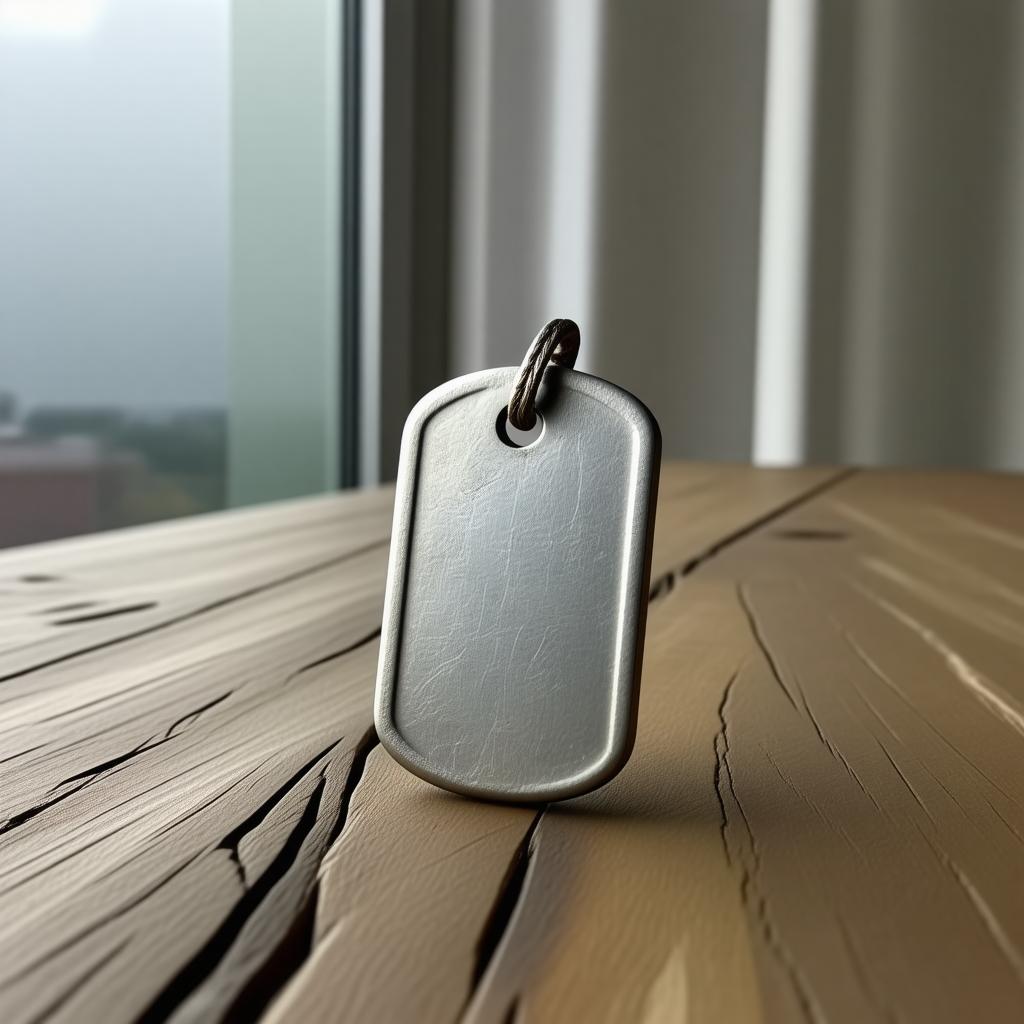
What is a military dog tag and its purpose
Military dog tags are small metal identification tags worn by military personnel. They are typically worn on a chain around the neck and serve as a crucial means of identification in the case of injury or death on the battlefield. Each tag contains vital information about the soldier wearing it,providing essential details for medical personnel and ensuring that the individual can be properly identified and their family notified.
the information on a military dog tag typically includes the soldier’s name, blood type, and religious preference. In some cases, additional details such as serial numbers or branch of service may also be included. This information is crucial for medical personnel in the event of injury, as it helps them provide appropriate care and treatment.Additionally, in the unfortunate event of death, the dog tag ensures that the soldier’s remains can be properly identified and returned to their loved ones.
the specific information included on a military dog tag
On a military dog tag,you will find the following key pieces of information engraved:
- Name: The soldier’s first name,last name,and possibly middle initial are included on the dog tag.
- Service Number: this unique identifier helps military officials keep track of each individual service member.
- Blood type: In case of emergency, this information can be crucial for medical personnel.
- Religious Preference: This optional detail allows soldiers to indicate their preferred faith for last rites or burial ceremonies.
Additionally, the dog tag may include the branch of service, such as “US Army” or “US Navy,” and the soldier’s tetanus immunization status. These tags are vital for identification during deployments and provide essential information for medical treatment or casualty notification. In times of war, they serve as a soldier’s lifeline to ensure proper identification and care.
| Data Point | Details |
|---|---|
| Name | John Smith |
| Service Number | 123456789 |
| blood Type | A+ |
Importance of accurate and up-to-date information on a dog tag
Having accurate and up-to-date information on a dog tag is crucial, especially for military personnel. These tags serve as a vital form of identification in case of emergencies, ensuring that the individual can be quickly identified and provided with the necessary assistance. In a high-stress situation,having accurate information can make all the difference in ensuring that a soldier receives the appropriate medical treatment or support.
On a military dog tag, you can typically find the following important information:
- Name: This is to identify the individual.
- Blood Type: Critical information for medical treatment.
- Branch of Service: Indicates which military branch the individual belongs to.
- Religious Preference: Useful for providing appropriate spiritual support.
Recommendations for caring and protecting your military dog tag
military dog tags are an essential part of identifying and protecting individuals in the armed forces. These tags contain crucial information that can be lifesaving in emergency situations. A typical military dog tag includes the following details:
- Name: The soldier’s first and last name
- SSN: Social Security Number for identification purposes
- Blood Type: Vital information for medical treatment
- Religious Preference: Optional field for personal beliefs
It is incredibly important to care for and protect your military dog tag to ensure that the information remains legible and accurate. Here are some recommendations for preserving the integrity of your dog tag:
- Regular Cleaning: Use a soft cloth and mild soap to remove dirt and debris
- storage: Keep your dog tag in a safe place when not in use to prevent damage or loss
- Avoid Harsh Chemicals: Do not use abrasive cleaners that may scratch or fade the information on the tag
- Regular Inspections: Check your dog tag periodically for wear and tear, and replace if necessary
Q&A
Q: What information is typically found on a military dog tag?
A: Military dog tags usually include the service member’s name, social security number, blood type, and religious preference.
Q: Why is it important for soldiers to wear dog tags?
A: Dog tags serve as a vital form of identification for soldiers in the event they are injured or killed in combat.
Q: Are there any specific regulations regarding the information on military dog tags?
A: Yes, the information on military dog tags must adhere to strict formatting guidelines set by the armed forces.
Q: Can civilians wear military-style dog tags?
A: Yes, civilians can wear personalized dog tags for fashion or sentimental reasons.however, it is illegal to impersonate a member of the military.
Q: How have military dog tags evolved over time?
A: Military dog tags have evolved from simple stamped metal discs to more advanced versions that contain additional information or are made with modern materials.
To Conclude
As we’ve delved into the intricate details inscribed on a military dog tag, it’s clear that these small pieces of metal carry a profound sense of identity and purpose for servicemembers. From a simple name and serial number to critical medical information, each item serves as a vital tool in ensuring the safety and well-being of our brave men and women in uniform. Next time you see a military dog tag, take a moment to reflect on the sacrifices and dedication that it represents. Thank you for exploring this fascinating and critically important aspect of military life with us. Stay tuned for more insightful articles on military traditions and practices.Until next time, stay informed, stay safe, and honor those who serve.

